DTF printing, or Direct-to-Film printing, is at the forefront of the textile printing revolution, offering a blend of creativity and cutting-edge technology. This innovative process allows for the creation of vibrant and high-quality prints that can be effortlessly transferred to various fabrics. By utilizing advanced DTF techniques, print enthusiasts can achieve stunning designs that are both durable and stunningly detailed. In this comprehensive guide, we will share essential printing tips, ensuring you can harness the full potential of DTF printing to create beautiful, long-lasting textiles. Whether you’re a seasoned professional or a beginner eager to develop your skills, understanding DTF printing will open endless possibilities in the world of high-quality prints.
Exploring the concept of Direct-to-Film printing unveils a myriad of benefits for fabric decoration and artistic projects. This process, often referred to as film-based printing, utilizes unique methodologies that allow designs to adhere seamlessly to textile surfaces. Through the application of specialized inks and films, this technique stands out for its vibrant color reproduction and impressive durability. Those interested in fabric customization will find that mastering this technique not only elevates their printing capabilities but also broadens the scope of artistic expression. As the demand for customized textile products grows, understanding the principles behind DTF and its surrounding technologies is more valuable than ever.
Understanding DTF Printing Technology
Direct-to-Film (DTF) printing is an innovative method that has transformed the textile industry by allowing for the direct transfer of intricate designs onto various fabrics. This process uses specially formulated inks that are printed onto a transparent film before being transferred to the fabric. The combination of heat and pressure during the transfer ensures that the design is not just superficially adhered but firmly bonds with the textile, resulting in vibrant, durable prints. One of the most significant advantages of DTF printing is its versatility, allowing for designs to be applied not only to cotton and polyester fabrics but also to hybrid materials.
DTF printing has gained immense popularity due to its ability to produce high-quality prints that exhibit rich colors and sharp details. Unlike traditional silk-screening methods, which may be limited by the number of colors and layers, DTF allows for a full spectrum of color applications without a significant increase in processing time. This capability to reproduce complex graphics makes DTF printing a preferred choice among fashion designers and fabric decorators looking to create unique and eye-catching pieces.
Essential Equipment for High-Quality DTF Prints
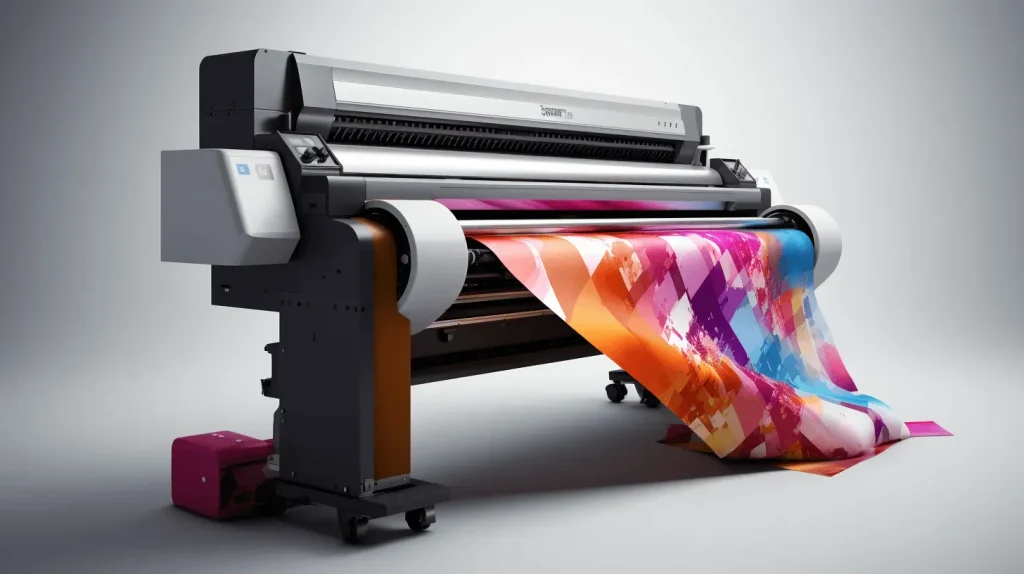
To achieve the best results in DTF printing, having the right equipment is crucial. A quality inkjet printer that is compatible with DTF inks is at the heart of the process. Brands such as Epson and Brother are recognized for their reliability in this niche. It’s important to choose an inkjet model that supports high-resolution outputs, ideally printing at 1200 DPI or higher, to ensure that your designs maintain clarity and vibrancy after transfer.
Aside from the printer, the selection of transfer films and adhesive powders is equally important. Transfer films specifically designed for DTF printing will ensure that colors are vivid and details are clear. Meanwhile, adhesive powders should be compatible with your chosen inks and textiles, as this will affect the durability and bond strength of your prints. Investing in top-tier equipment may incur higher initial costs, but it ultimately pays off by producing stunning, high-quality prints that can stand the test of time.
Preparation Tips for Stunning DTF Prints
A well-prepared design is critical to success in DTF printing. Begin by creating high-resolution graphics to ensure sharp and vibrant outcomes. Designs should ideally be created using professional software, ensuring they are at least 300 DPI. This makes a significant difference when transferring to fabric, as lower resolutions can lead to pixelated and blurry prints, undermining the quality you aim to achieve.
In addition to the resolution, proper color management is vital for DTF printing success. Utilize RIP software to tailor your printer’s color profiles to the settings needed for your specific job, allowing for better accuracy in color reproduction. Optimizing your print settings, such as ink density and resolution, can further enhance your print quality and minimize errors, ensuring each project meets your expectations.
Mastering the Transfer Process for DTF Printing
The transfer stage is where your printed designs get their life on fabric, making it critical to understand the process thoroughly. Once you’ve printed your image on the transfer film, it’s essential to apply a layer of adhesive powder while the ink is still wet. This step is crucial, as it determines how well your print adheres to the textile during the heat transfer process. Striking the right balance with the amount of adhesive is key to a successful transfer.
Using a heat press correctly is equally crucial for stunning DTF prints. The temperature, time, and pressure all play significant roles in the success of the transfer. Generally, the ideal settings hover around 320°F for about 15-20 seconds. However, it’s important to adjust these settings based on the type of fabric, as different materials react differently to heat. Experimenting with these variables during the transfer stage can result in superior bond strength and overall print quality.
Post-Transfer Care for Longevity of DTF Prints
Maintaining the quality of your DTF prints does not end with the transfer process; post-transfer care is equally important for longevity. Allowing the prints to cure for at least 24 hours before washing is vital to ensure that the inks bond properly and achieve their full durability. This curing time prevents issues like peeling and fading, which can occur if the prints are washed too soon.
Washing and drying methods also impact the lifespan of your DTF prints. It’s best to wash printed garments in cold water to avoid damaging the transfers and to always opt for air drying rather than tossing them into a dryer. High heat can break down the adhesive layers used in DTF printing, leading to premature wear and fading. Adopting these care methods will help preserve the vibrancy and quality of your prints for longer.
Avoiding Common Mistakes in DTF Printing
Even seasoned printers can make mistakes in the DTF printing process. One of the most common errors is skipping the curing time, which can lead to prints that disintegrate or fade quickly during use. Ensuring that the prints are left to cure properly before they encounter moisture is paramount in maintaining their integrity post-transfer.
Additionally, selecting the correct materials is crucial. Using incompatible fabrics or transfer films can result in poor-quality prints that do not adhere well, leading to frustrations and waste of materials. To avoid such pitfalls, take the time to research and confirm that all materials are designed specifically for DTF printing, ensuring that your projects yield the best possible results.
Frequently Asked Questions
What is DTF printing and how does it work?
DTF printing, or Direct-to-Film printing, is a process where designs are printed onto a specialized film using high-quality inks and then transferred to fabrics with heat and pressure. This allows for vibrant, high-quality prints suitable for various textiles.
What equipment do I need for high-quality DTF printing?
To achieve high-quality prints with DTF printing, you’ll need a compatible inkjet printer, high-quality DTF inks, and specific transfer films designed for this technique. Ensuring your equipment is up to standard is crucial for the best results.
What are some essential printing tips for successful DTF printing?
To enhance your DTF printing, start with high-resolution designs (300 DPI or higher), calibrate your printer’s color profile, and optimize print settings like ink density. Following these printing tips can significantly improve the quality of your final prints.
How do I ensure a successful transfer in DTF printing?
For a successful DTF transfer, apply adhesive powder to your printed film while the ink is still wet, and use a heat press at a temperature of approximately 320°F (160°C) for 15-20 seconds. Adjust these parameters based on the fabric to achieve the best bonding.
What common mistakes should I avoid in DTF printing?
Avoid common mistakes in DTF printing such as inadequate curing time, which can lead to peeling or fading, and using incompatible materials. Always select the correct films and fabrics to ensure high-quality, durable prints.
How can I maintain the longevity of my DTF prints?
To maintain your DTF prints, allow them to cure for at least 24 hours before washing, and opt for cold washing and air drying. This care routine will help prevent fading and extend the lifespan of your vibrant, high-quality prints.
| Aspect | Details |
|---|---|
| What is DTF Printing? | Printing designs onto a specialized film and transferring it onto textiles using heat and pressure. |
| Equipment Needed | High-quality inkjet printer, DTF inks, and transfer films designed for DTF. |
| Preparation Tips | Use high-resolution designs (300 DPI), calibrate color profiles and optimize print settings. |
| Transfer Process | Apply adhesive powder while ink is wet, use a heat press at around 320°F (160°C) for 15-20 seconds. |
| Post-Transfer Care | Allow 24 hours of curing, cold wash, and air dry to prolong print life. |
| Common Mistakes | Skipping curing time and using incorrect materials can lead to poor quality. |
| Innovations | Eco-friendly inks and films are emerging, enhancing sustainability in DTF printing. |
Summary
DTF printing has revolutionized the textile industry by offering the ability to create vibrant and high-quality prints that adhere to various surfaces easily. Understanding the intricacies of DTF printing is essential for anyone looking to excel in this innovative field. By investing in quality equipment, optimizing your preparation and transfer processes, and taking proper care of your prints, you can ensure that your DTF prints maintain their vibrancy and longevity. This comprehensive guide highlights the key elements that contribute to successful DTF printing, empowering you to elevate your textile printing skills. As technologies continue to evolve, staying informed about advancements in DTF printing will only enhance your ability to create stunning and durable designs.