
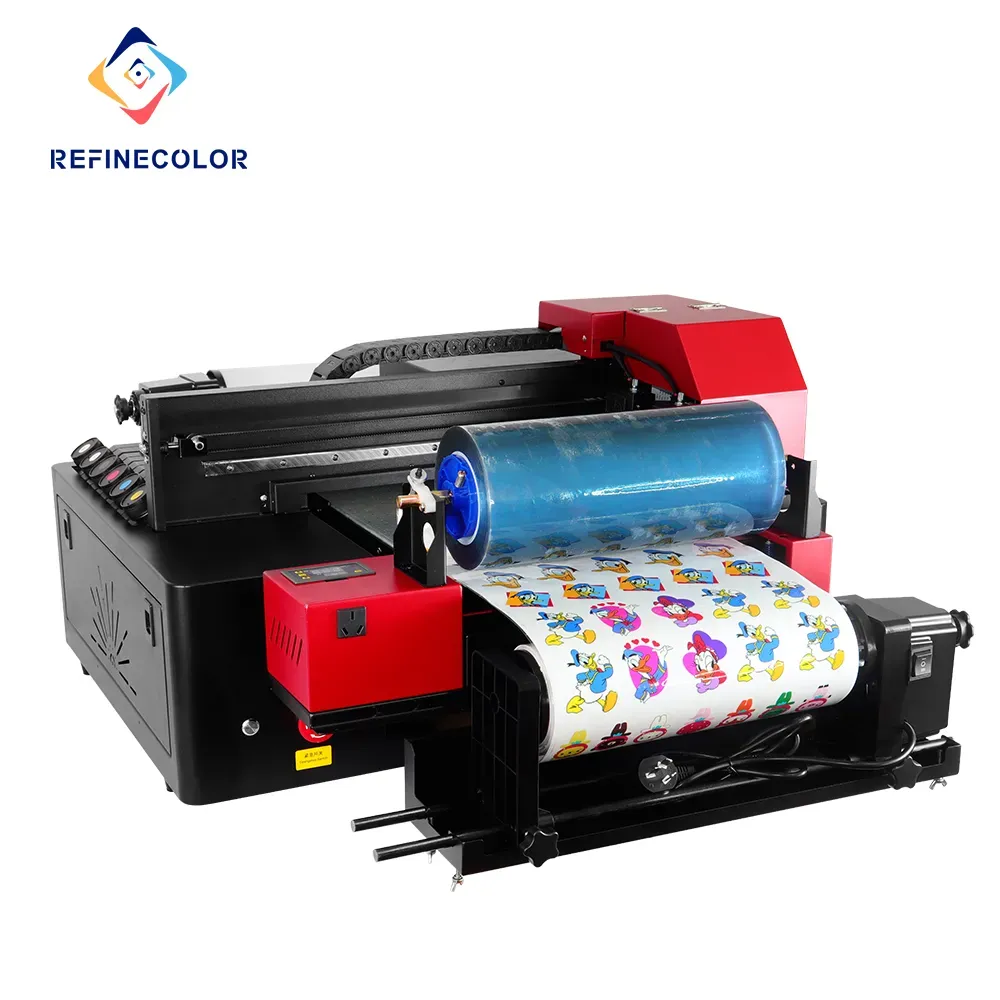
UV DTF, or UV Direct-to-Film printing, is revolutionizing the way we think about production in the printing industry. This innovative approach leverages advanced digital printing technology to create vibrant, high-quality prints with impressive efficiency. Unlike traditional printing methods which often involve cumbersome setups, UV DTF technology allows for quick transitions and instant curing thanks to its unique use of ultraviolet light. This not only enhances printing efficiency but also improves the versatility of materials that can be utilized. As the demand for faster and more effective printing solutions rises, UV DTF stands out as a remarkable alternative, reshaping the landscape of both commercial and personalized printing.
When discussing modern printing solutions, terms such as UV Direct-to-Film and DTF technology often come to the forefront. This cutting-edge printing method represents a significant shift from more conventional practices such as offset and screen printing. With its roots in digital printing technology, UV DTF emphasizes efficiency and quality, making it an increasingly popular choice among businesses. By dramatically reducing production times while maintaining vibrant, high-resolution prints, UV DTF is set to redefine how we approach various printing projects. The evolving marketplace for UV printing and DTF applications underscores a growing trend towards innovation and accessibility in the printing world.
Understanding UV DTF Technology
UV Direct-to-Film (DTF) printing represents a transformative approach in the printing industry, utilizing ultraviolet light to instantly cure inks applied to specialized films. This process not only speeds up production but also enhances print quality, yielding vibrant colors that remain true over time. Unlike traditional methods that engage in intricate setup processes, UV DTF technology provides a more straightforward workflow, making it particularly appealing for businesses that require fast-turnaround times and high-quality results.
The ability of UV DTF to adhere to a range of substrates, including textiles, hard surfaces, and even unconventional materials, sets it apart from other printing techniques. This versatility makes UV DTF an ideal choice for a variety of industries, including apparel, promotional products, and signage. As companies look to diversify their product offerings, adopting UV DTF technology might be the strategic advantage that enhances operational efficiency and customer satisfaction.
Comparison of Printing Efficiency in UV DTF and Traditional Techniques
Printing efficiency is paramount in the contemporary landscape, where speed and cost-effectiveness often dictate business success. UV DTF printing significantly outperforms traditional printing methods such as screen printing and offset in terms of time management; it reduces overall production time by streamlining processes that would otherwise require intricate setups. Businesses leveraging UV DTF can respond to customer demands much quicker, providing faster service that aligns with market expectations.
In contrast, traditional printing techniques often involve multiple steps that prolong turnaround times, including the need for plates, screens, and drying processes. Settling for these outdated methods could result in missed opportunities and diminished customer satisfaction. By embracing the efficiency of UV DTF, companies not only enhance their operational workflow but also gain a competitive edge in a marketplace that values rapid production.
Quality Output: UV DTF vs Traditional Printing
The quality of printed materials is a pivotal consideration for businesses, and UV DTF technology excels in this area. With high-resolution capabilities, UV DTF produces sharp, vivid prints that truly capture the intricacies of designs. The instant curing process guarantees that prints maintain their quality and vibrancy long after production, minimizing the risk of fading or degradation.
On the other hand, traditional printing methods may sometimes compromise quality when projecting detailed graphics. The reliance on multiple physical processes can lead to inconsistencies, particularly in color representation and clarity. As such, businesses committed to delivering exceptional products may find that the benefits of UV DTF technology significantly sway their decision towards adopting these modern printing innovations.
The Role of DTF Technology in Modern Printing Solutions
DTF technology is emerging as a key player in modern printing solutions, especially with its unique ability to fuse the perks of both digital printing and traditional methods. By using a film transfer process, it delivers flexibility that allows users to print complex graphics, ultimately redistributing creative power to businesses and artists alike. This democratization of print capabilities enables a broader range of users to access high-quality outputs without needing substantial investments in traditional printing setups.
Moreover, the user-friendly nature of DTF technology, exemplified by products like the eufyMake UV Printer E1, signals a shift where advanced printing tools are within reach for hobbyists and small enterprises. The emphasis on tactile effects and personalization underscores a growing demand for customizability in printed products. Those looking to harness DTF technology can seamlessly integrate this process into their business models, thereby enhancing engagement and driving consumer interest.
Economic Implications of Adopting UV DTF
Adopting UV DTF technology offers significant economic advantages by lowering both capital and operational costs compared to traditional printing methods. The initial investment for UV DTF systems, such as the eufyMake printer, is far more accessible than conventional UV printers, allowing startups and smaller businesses to compete effectively. This reduction in overhead costs promotes growth and experimentation within the printing sector.
Furthermore, the efficiency and quality of UV DTF printing can lead to higher profit margins. Businesses can take advantage of faster turnaround times and reduce waste associated with traditional printing processes. Essentially, by switching to UV DTF technology, companies not only enhance product quality and customer satisfaction but also streamline their operations, paving the way for sustainable economic growth.
Future Trends in Digital Printing Technology: Embracing UV DTF
As digital printing technology continues to evolve, UV DTF is poised to take center stage due to its innovative features and capabilities. Future trends indicate a growing reliance on UV DTF methods as businesses prioritize efficiency and quality over traditional practices. Innovations such as improved ink formulations and printer designs will likely enhance the output and ease of use associated with UV DTF technology.
Moreover, as the demand for quicker production times escalates, businesses will increasingly recognize the strategic advantages of adopting UV DTF. This shift may not only transform internal processes but also redefine customer expectations and industry standards. Those who embrace these advancements early may position themselves as leaders in a rapidly changing landscape, capturing new market opportunities that leverage the benefits of modern printing solutions.
Frequently Asked Questions
What are the key benefits of UV DTF compared to traditional printing methods?
UV DTF offers several key benefits over traditional printing, including enhanced printing efficiency through rapid production times, superior quality with vibrant colors due to instant curing, and unparalleled versatility, allowing it to print on various substrates, unlike traditional methods that are often limited.
How does UV DTF technology improve printing efficiency?
UV DTF technology improves printing efficiency by streamlining the entire printing process. It eliminates lengthy setups and complex preparations required in traditional printing, enabling high-volume production with quick turnaround times.
Can UV DTF printing be used on different materials like traditional printing?
Yes, UV DTF printing can be used on a wide range of materials, including fabrics, plastics, and hard surfaces, making it more versatile than traditional printing methods, which may be restricted to specific substrates.
What is the role of UV curing in DTF technology?
UV curing plays a critical role in DTF technology by instantly hardening the ink during the printing process. This rapid drying enhances the quality of the print, ensuring vivid colors and intricate details while preventing fading over time, a notable advantage over traditional printing methods.
Is UV DTF printing cost-effective for small businesses compared to traditional printing?
Yes, UV DTF printing is often more cost-effective for small businesses. The introduction of affordable UV DTF printers, like the eufyMake, makes high-quality printing accessible without the high investment typically required for traditional UV printers.
What recent innovations in UV DTF should businesses be aware of?
Recent innovations, such as the compact eufyMake UV Printer E1, have merged UV printing and DTF technology, making it easier for small businesses and creative projects to access advanced printing capabilities while also supporting features like tactile 3D textures.
| Key Points | UV DTF Printing | Traditional Printing |
|---|---|---|
| Definition and Method | Uses specialized film; ink is cured with UV light for instant drying. | Involves complex setups and longer production times with plates/screens. |
| Efficiency | Streamlined process with rapid production times, ideal for high volumes. | Long setup and multiple steps slow down production speed. |
| Quality | High-resolution prints with vibrant colors; instant curing preserves quality. | Quality may vary and designs risk fading due to traditional techniques. |
| Material Versatility | Can print on various substrates, from fabric to hard surfaces. | Limited to specific materials based on printing technique. |
| Recent Innovations | Examples include the compact eufyMake UV Printer E1, enhancing creative options. | Traditional printers are generally larger and less accessible. |
| Market Accessibility | Affordable pricing opens UV DTF to creatives and small businesses. | Traditional methods often require significant investment. |
Summary
UV DTF is revolutionizing the printing industry with its advanced technology and efficiencies. Unlike traditional printing methods, UV DTF harnesses the power of ultraviolet light to cure ink on films instantly, offering rapid production times and exceptional print quality. This modern technique not only reduces waste and costs but also promotes versatility across a wider range of materials, making it a game-changer for small businesses and creative projects. As innovations emerge, such as the affordable eufyMake UV Printer E1, UV DTF printing becomes increasingly accessible, encouraging more users to explore its benefits. The future of printing is bright with UV DTF, and its adoption signals a significant shift away from conventional methods.