
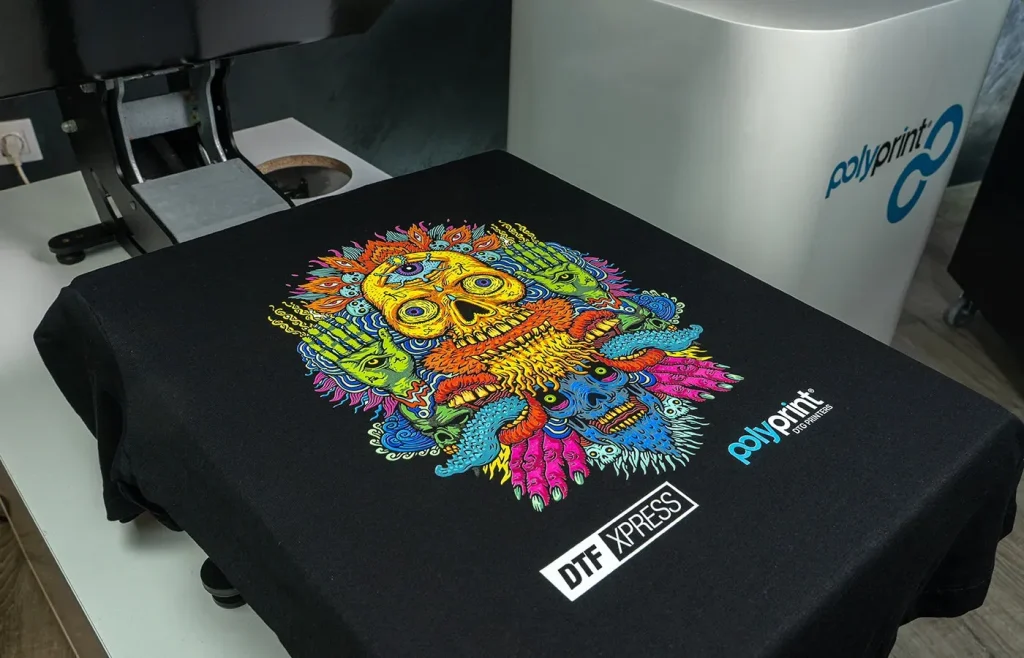
DTF printing, or Direct-to-Film printing, is rapidly becoming a game changer in the world of custom apparel. This innovative technique allows intricate designs to be printed on a special film, which can then be easily transferred onto various types of garments using heat and pressure. With its versatile application on materials such as cotton, polyester, and blends, DTF printing offers numerous advantages over traditional methods, including superior quality, durability, and cost-effectiveness. As businesses seek sustainable printing methods without sacrificing quality, DTF printing emerges as a frontrunner in eco-friendly practices within the printing industry. This dynamic approach not only enhances creativity but also meets the growing demand for unique and customized apparel designs.
Also known as Direct-to-Film technology, DTF printing serves as a modern alternative for printing custom designs onto fabric. This method utilizes film and heat transfer processes to achieve highly detailed visuals on a variety of textile surfaces, providing a significant advantage over other printing techniques. As the custom fashion sector evolves, businesses increasingly recognize the benefits of DTF, including its ability to produce vibrant, long-lasting prints with less environmental impact. Moreover, the competition between DTF printing and traditional screen printing is pushing the boundaries of creative possibilities in apparel design. This contemporary printing approach embodies the future of sustainable fashion, inviting both established brands and newcomers to explore its potential.
Understanding the Mechanics of DTF Printing
DTF printing, or Direct-to-Film printing, is an innovative approach to apparel customization that leverages technology to produce high-quality prints. In this process, intricate designs are printed onto a specialized film that captures the vibrant colors and detailed graphics. Once the film is prepared, it undergoes a heat transfer process, allowing the design to bond seamlessly with the fabric. The ability to print on various material types, including cotton and polyester blends, makes DTF an appealing choice for custom apparel businesses aiming to target diverse markets.
This modern printing technique not only enhances design flexibility but also simplifies inventory management. With DTF printing, brands can keep limited stock on hand while offering a wide range of designs for their customers. As the demand for unique and individualized apparel increases, DTF printing presents a pragmatic solution for businesses to provide custom products without the traditional constraints associated with large production runs.
Key Advantages of DTF Printing for Custom Apparel
One of the primary benefits of DTF printing is its remarkable versatility. This method can seamlessly print on an extensive array of fabrics, which empowers businesses to diversify their product offerings. From t-shirts and hoodies to bags and caps, the possibilities are virtually limitless. This flexibility is particularly advantageous for brands looking to cater to a niche market, allowing them to experiment with different material types while upholding a consistent level of quality.
In comparison to traditional screen printing, DTF printing also provides superior resolution and color accuracy, resulting in vibrant prints that maintain their visual appeal over time. The durability of DTF-printed designs stands out, as they resist fading, cracking, and peeling even after multiple washes. This longevity not only satisfies customer expectations but also enhances brand loyalty by ensuring that customers receive high-quality garments that withstand the test of time.
DTF Printing vs. Traditional Methods: A Comparative Analysis
When comparing DTF printing to traditional methods like screen printing, a significant differentiation lies in the setup and production costs. DTF printing allows for lower initial investments, making it suitable for small businesses and startups that wish to enter the custom apparel market without the financial burden often associated with screen printing setups. For small batch orders, DTF offers a cost-effective solution that encourages experimentation and creativity, thus expanding the potential for unique design offerings.
Moreover, DTF printing excels in providing detailed prints at a faster turnaround time than traditional methods. Businesses benefit from the rapid production capabilities inherent to DTF, allowing them to meet urgent consumer demands and capitalize on emerging trends. This operational efficiency not only boosts profit margins but also positions brands favorably within an increasingly competitive landscape.
Sustainability in DTF Printing Practices
In an era where environmental consciousness is paramount, DTF printing is emerging as a sustainable alternative to conventional printing practices. By utilizing water-based inks that are less harmful to the environment, DTF allows brands to reduce their ecological footprint without compromising on print quality. This aspect of DTF aligns with the growing consumer preference for eco-friendly products, positioning brands as responsible players in the industry.
Additionally, DTF printing generates less waste compared to traditional methods, thanks to its efficient production process. This reduction in waste not only appeals to environmentally conscious consumers but also enhances a brand’s reputation regarding sustainability initiatives. By adopting DTF printing, companies can significantly align their operational practices with sustainability goals, effectively contributing to the health of the planet while satisfying consumer demands.
Technological Innovations Powering DTF Printing
The rise of DTF printing can be attributed to continuous technological innovations that enhance both the quality and efficiency of the printing process. With the advent of improved printers and curing technology, businesses can now produce high-resolution prints with greater speed and accuracy. These advancements make DTF printing an attractive option not only for smaller businesses but also for larger operations seeking to streamline their production workflows.
As technology progresses, the ease of use associated with DTF printers becomes more evident. User-friendly interfaces and automated processes allow businesses of all sizes to incorporate DTF printing into their operational framework with minimal disruption. This accessibility encourages more entrepreneurs to explore custom apparel solutions, expanding the DTF market share and highlighting its relevance in contemporary printing solutions.
The Future of DTF Printing in Custom Apparel
As the custom apparel landscape continues to evolve, DTF printing is poised to play a pivotal role in shaping its future. With increasing consumer demand for personalized and high-quality products, DTF offers a sophisticated alternative that meets these needs efficiently. As advancements in technology drive down costs and improve print quality, more businesses are likely to adopt DTF printing as a standard practice in their production processes.
Furthermore, as sustainability becomes a core concern for consumers, the eco-friendly nature of DTF printing positions it favorably among competitors. With brands under pressure to adopt more responsible manufacturing techniques, DTF printing offers a viable solution that aligns with these expectations. Consequently, the foreseeable future indicates a strong growth trajectory for DTF printing within the custom apparel industry, fueled by innovation and a commitment to sustainability.
Frequently Asked Questions
What is DTF printing and how does it work in custom apparel?
DTF printing, or Direct-to-Film printing, is a cutting-edge process where designs are printed onto a special film and then transferred onto garments with heat and pressure. This method allows for vibrant and intricate custom designs on a variety of fabrics, making it a popular choice in the custom apparel industry.
What are the key advantages of DTF printing compared to traditional methods?
One of the main advantages of DTF printing is its versatility, as it works well on various materials, including cotton and polyester. Additionally, DTF printing produces high-quality, durable prints that resist fading and cracking, making it an excellent choice for custom apparel. This technique is also cost-effective for small runs, allowing businesses to create high-quality products without hefty setup costs.
How does DTF printing contribute to sustainable printing methods in the industry?
DTF printing is considered a more sustainable printing method because it utilizes water-based inks that are less harmful to the environment and produces less waste compared to traditional printing techniques. This eco-friendly approach is increasingly important to consumers and brands looking to adopt sustainable practices in custom apparel production.
Can DTF printing be used for large-scale production or is it mainly for small batches?
While DTF printing is excellent for small batch production due to its low setup costs, recent technological advancements have made it feasible for larger scale operations as well. High-quality DTF printers are now available that can handle larger outputs, catering to both small businesses and larger brands in the custom apparel market.
How does DTF printing compare with screen printing for custom designs?
DTF printing offers several advantages over screen printing, including greater flexibility with fabric types and the ability to produce vibrant, intricate designs without the limitations of screen setup. Unlike screen printing, which requires different screens for each color, DTF printing can easily accommodate complex designs with multiple colors in a single print process.
What trends are driving the growth of DTF printing in the custom apparel market?
The growth of DTF printing in the custom apparel market is driven by advancements in ink and printer technology, increased demand for high-quality prints, and the rise of eco-conscious consumerism. As more brands recognize the benefits of DTF printing, its adoption continues to expand, fostering creativity and innovation within the industry.
| Key Point | Details |
|---|---|
| What is DTF Printing? | A method where designs are printed onto a special film and then transferred to garments using heat and pressure. |
| Advantages | Versatile, quality prints, cost-effective for small runs. |
| Growth in Industry | High demand leading to more manufacturers entering the DTF market. |
| Sustainability | Produces less waste and uses water-based inks, making it environmentally friendly. |
| Technological Advancements | Improvements in printers and curing processes enhancing quality and efficiency. |
Summary
DTF Printing is transforming the custom apparel industry by offering innovative solutions for high-quality designs. This modern printing method not only provides versatility and cost efficiency for small production runs, but it also maintains exemplary print quality that stands up against traditional methods. The growing acceptance of DTF Printing can be attributed to its capability to cater to diverse fabric types and its commitment to sustainability through reduced waste and eco-friendly inks. As technology continues to improve, we can anticipate DTF Printing to play an even more significant role in shaping the future of custom apparel, empowering brands and designers to bring their creative visions to life while championing environmental responsibility.