
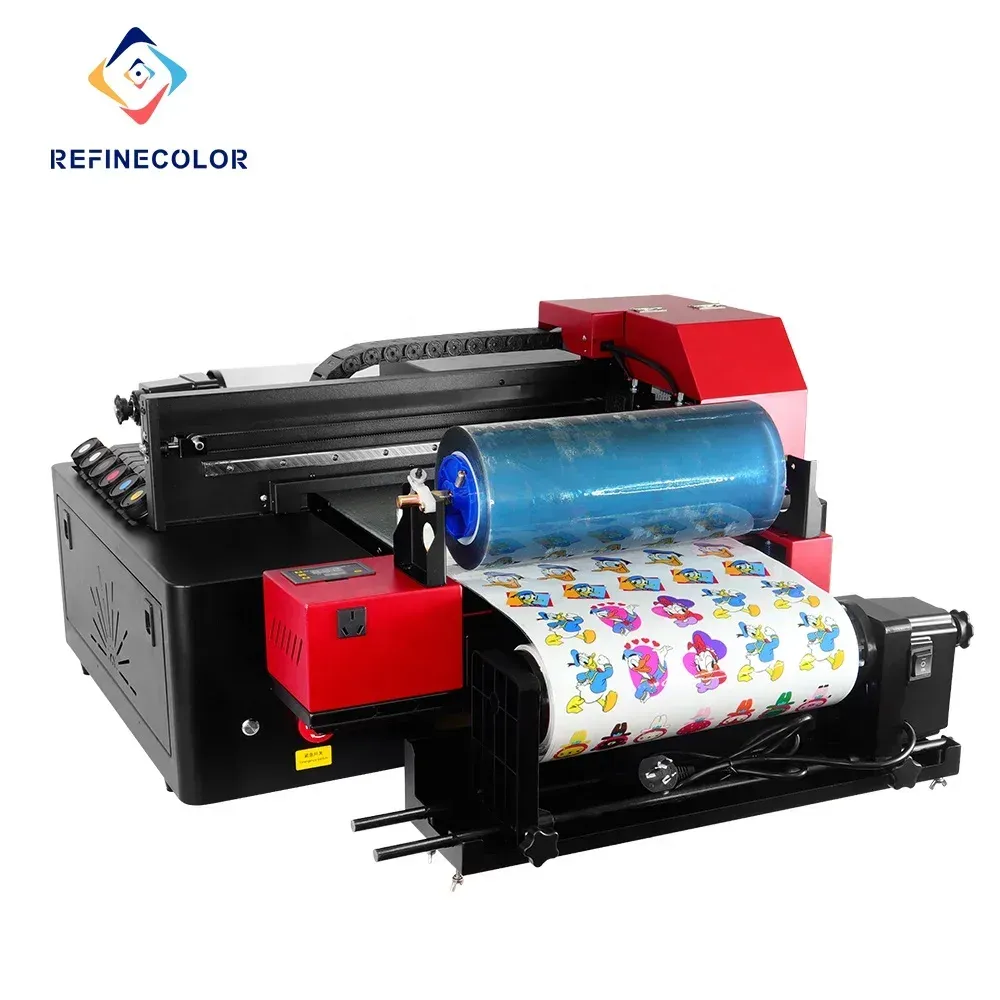
In the fast-evolving world of printing technology, **UV DTF** (UV Direct to Film) stands out as a revolutionary method that maximizes print quality like never before. This technique employs ultraviolet light to cure inks on various substrates, resulting in durable prints with vibrant colors and sharp details. As businesses strive to meet high customer expectations, understanding the unique aspects of UV DTF printing can give a competitive edge. With its capability to create stunning visuals while maintaining color fidelity over time, it’s becoming a favored choice for diverse applications. Discover how the UV curing process and specialized DTF transfer films can enhance your printing outcomes, ensuring that your projects not only look phenomenal but also stand the test of time.
Also known as Direct to Film UV printing, this innovative approach to print technology involves using UV light for curing inks on a wide range of materials. Often sought after for its ability to produce high-quality prints, this method leverages the unique properties of UV inks and DTF transfer films to create remarkably durable outputs. The UV curing process is central to this technique, allowing for instantaneous ink setting that enhances both detail and color brilliance. As enterprises globally seek to elevate their print capabilities, adopting UV DTF solutions can lead to improved efficiency and enhanced customer satisfaction. By understanding these principles, businesses can better navigate the competitive landscape of print technology.
Understanding the Basics of UV DTF Printing
UV DTF printing, or Ultraviolet Direct to Film printing, represents a significant leap in the world of printing technology. By utilizing ultraviolet light, this innovative method cures inks directly onto films or substrates, resulting in vibrant, luminous prints that capture attention. Unlike traditional printing techniques, UV DTF employs a unique curing process that secures ink particles to the material, thereby preventing issues such as smudging or fading. This precision in output makes UV DTF suitable for a vast array of applications, from promotional merchandise to custom apparel.
At the heart of the UV DTF process is the quality of the inks used. UV inks are formulated to remain durable and resistant to environmental factors. This characteristic is critical for applications requiring longevity; prints that are exposed to sunlight or moisture retain their quality over time. The freedom to print on diverse materials—from textiles to hard substrates like metal and wood—also opens doors to creative possibilities, allowing businesses to expand their product offerings.
Maximizing Print Quality with UV DTF Techniques
Achieving optimal print quality with UV DTF requires a strategic approach that emphasizes material selection and printer calibration. First, choosing high-quality DTF transfer films is essential. These films should be designed specifically for UV ink, ensuring proper adhesion and vibrant output. Next, calibrating your printer plays a pivotal role in maintaining consistent quality. Regular maintenance, including thorough cleaning and ink setting adjustments, enables printers to perform at their best, reducing waste and enhancing the final product quality.
Furthermore, optimizing artwork for UV DTF printing is crucial. Using high-resolution images and employing solid colors can create a striking visual experience. Layering techniques can add depth to designs, making effective use of the vibrant capabilities of UV inks. This detailed attention to design helps in achieving prints with sharper details and better color accuracy, which are vital for customer satisfaction and market competitiveness.
The Importance of Curing in UV DTF Printing
Curing is a fundamental process in UV DTF printing that directly impacts print quality and durability. This step involves exposing the printed film to UV light, which solidifies the inks and ensures they adhere well to the substrate. Proper curing not only enhances the longevity of prints but also improves resistance to scratches and environmental damage. Selecting a dependable curing unit with adjustable settings allows for customization based on the material, which is critical for achieving optimal results.
Additionally, testing different curing conditions can lead to better output. Each substrate may react differently to UV exposure, so adjusting the time and intensity settings can significantly affect the finish and feel of the final product. By rigorously testing these conditions, printers can discover the optimal parameters that enhance both print quality and durability, meeting the high standards that customers expect.
Choosing the Right Materials for UV DTF Printing
Material selection is paramount when it comes to UV DTF printing. Using compatible substrates can make a significant difference in print fidelity and longevity. High-quality DTF transfer films designed for UV inks will ensure that the inks adhere correctly and deliver vibrant, long-lasting prints. Moreover, pre-treating substrates may be necessary before printing, as this can vastly improve the ink’s bond and lead to striking results.
Whether printing on fabrics, rigid materials, or plastics, understanding the properties of each substrate can enhance the effectiveness of the UV DTF process. For instance, some textiles might require special pre-treatment to optimize ink adherence, whereas hard materials may need a different type of finish. By carefully choosing and preparing materials, businesses can elevate print quality while minimizing production errors.
Post-Processing Techniques for Enhanced UV DTF Prints
Post-processing is a critical stage in UV DTF printing that can elevate the visual appeal and durability of prints. Finishing options such as gloss or matte coatings add an extra layer of protection against wear and tear while also enhancing aesthetics. These treatments can bring out colors and details, making prints more appealing to customers. Having choices between different finishes allows businesses to cater to specific customer needs and project requirements.
Moreover, applying protective coatings is particularly vital for outdoor applications where prints are subject to harsh environmental conditions. These coatings not only safeguard the print from scratches and fading but also extend its overall lifespan. This attention to post-processing assures customers of high-quality products that withstand time while meeting their performance expectations.
Exploring Innovations in UV DTF Technology
The world of UV DTF printing is continually evolving, with new technologies and innovations emerging to further enhance print quality. One significant trend is the integration of automation into the printing process. Automating certain elements of UV DTF not only increases efficiency but also ensures consistency across prints, reducing human error and enhancing overall production quality. These advancements can be game-changers for businesses looking to scale up operations without sacrificing quality.
Another noteworthy innovation is the development of advanced UV ink formulations. New ink types boast improved flexibility and adhesion properties, which are especially beneficial for applications on garments. These advancements allow for prints that not only look stunning but also maintain their quality through multiple washes. Staying abreast of these trends is essential for businesses that want to leverage the full potential of UV DTF technology and offer their customers cutting-edge printing solutions.
Frequently Asked Questions
What is UV DTF printing and how does it work?
**UV DTF printing** (Direct to Film) is a cutting-edge printing technology that uses ultraviolet light for curing inks on various substrates. This process allows inks to dry instantly, producing vivid colors and sharp details that are ideal for both textile and promotional printing.
How can I maximize print quality with UV DTF?
To maximize your print quality with **UV DTF**, focus on using high-quality DTF transfer films, calibrating your printer correctly, and ensuring that your design images are high-resolution. Additionally, optimal curing settings and post-processing treatments can significantly enhance the final print.
What are the benefits of using UV DTF transfer films?
**UV DTF transfer films** are specifically designed for UV printing, which helps achieve better adhesion and color vibrancy. Their compatibility with UV curing processes ensures that prints are durable, resistant to scratching and fading, making them ideal for various applications including outdoor products.
What is involved in the UV curing process for DTF printing?
The **UV curing process** in DTF printing involves exposing printed materials to UV light, which solidifies the inks almost instantly. This quick curing time enhances productivity and produces strong, durable prints that have excellent color depth and longevity.
Are UV DTF prints more durable compared to traditional prints?
Yes, **UV DTF prints** are significantly more durable than traditional prints. The UV curing process creates a hard surface that is resistant to scratches and moisture, making these prints suitable for both indoor and outdoor environments without fading over time.
What innovations are emerging in the UV DTF printing industry?
Recent innovations in **UV DTF printing** include the development of eco-friendly inks and advanced automation technologies. These innovations aim to improve print quality, efficiency, and reduce waste, ensuring that businesses can meet customer demands while being environmentally conscious.
| Key Points | Details |
|---|---|
| Introduction to UV DTF | Explore the significance of UV Direct to Film printing technology for enhancing print quality. |
| What is UV DTF Printing? | A printing method using UV light to cure inks, known for durable, high-quality prints. |
| Key Benefits | Enhanced Clarity, Durability, Versatility, and Eco-Friendliness of prints. |
| Steps to Maximize Quality | Choosing materials, calibrating printers, design considerations, curing, and post-processing. |
| Recent Trends | Adoption of automation and innovative UV ink formulations to improve quality. |
| Expert Insights | Importance of staying updated on UV DTF technologies for competitive advantage. |
Summary
UV DTF printing is a transformative technology that redefines print quality through its innovative approach to curing inks. By adopting UV DTF, businesses can significantly enhance the durability and vibrant appeal of their prints, engaging customers like never before. Implementing best practices, such as selecting high-quality materials and optimizing curing processes, ensures the highest standard of quality in the final product. The emphasis on eco-friendly inks also aligns with growing environmental concerns, making UV DTF not only effective but also sustainable. As you explore the potential of UV DTF, you will unlock new efficiencies and elevate the standards of your printing projects, creating lasting impressions in the industry.