
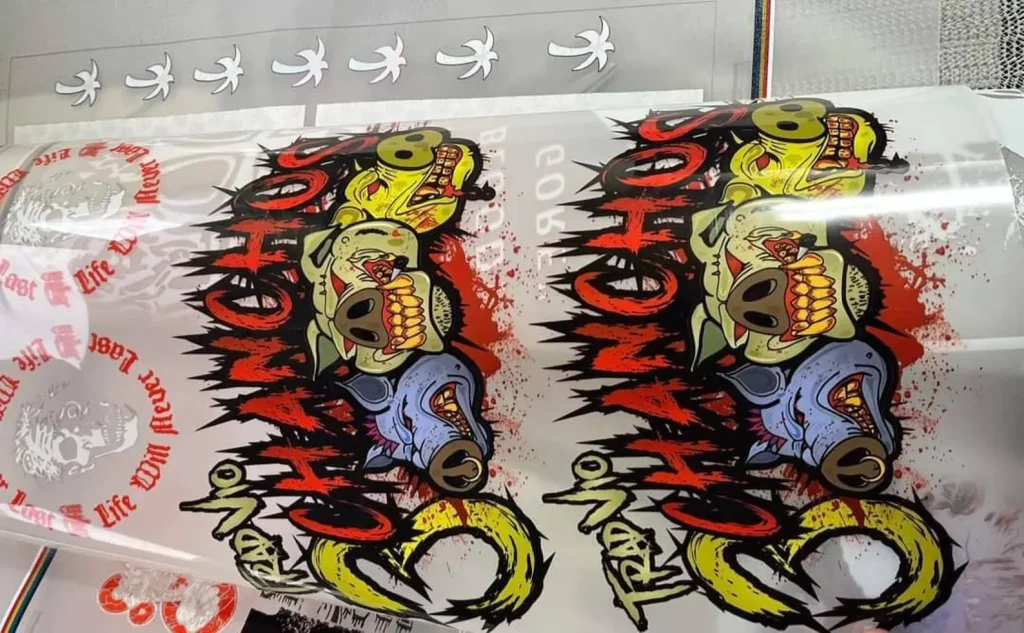
In the exciting realm of custom apparel, DTF (Direct to Film) transfers are emerging as a game-changer in apparel printing technology. This innovative method promises to revolutionize how designs are applied to clothing, making it an ideal choice for those seeking vibrant and durable prints. DTF transfers allow for high-resolution images to be printed on specialized film, which can then be heat-pressed onto a variety of fabrics, ensuring versatility that traditional screen printing alternatives often lack. As businesses increasingly gravitate towards cost-effective custom prints, DTF technology stands out by minimizing setup costs while maximizing design options and production efficiency. Join us as we explore the myriad benefits and future potential of DTF transfers in the world of custom apparel.
Direct to Film (DTF) printing is swiftly becoming a preferred method for producing custom designs on clothing, often touted as an efficient alternative to conventional screen printing techniques. This innovative apparel decorating process allows for high-quality prints to be transferred onto various textile materials, providing unmatched detail and color vibrancy. With the surge in consumer interest in personalized garments, DTF technology is emerging as a versatile solution that accommodates an array of creative expressions. Furthermore, the alignment of DTF transfers with sustainable practices positions them favorably in a market increasingly driven by eco-conscious consumers. As we delve deeper, we will uncover the advantages of this cutting-edge printing method and its transformative impact on the custom apparel industry.
Understanding the Basics of DTF Transfers
DTF transfers, or Direct to Film transfers, are a modern printing technique that allows for intricate designs to be printed directly onto a special film. This film is then transferred to fabric using heat and pressure, creating vibrant, durable prints that adhere remarkably well to a variety of materials. Unlike traditional printing methods, such as screen printing, DTF technology does not require extensive setup or specialized pre-treatment for each fabric type, making it an efficient choice for custom apparel production.
The versatility of DTF transfers is a significant advantage over older methods, enabling businesses to produce everything from simple logos to complex illustrations with ease. This method not only enhances production capacity but also expands the range of materials that can be used, including cotton, polyester, and blends. As a result, DTF printing is becoming the preferred option for entrepreneurs and companies looking to innovate in the custom apparel market.
The Rise of DTF Technology in Apparel Printing
As the custom apparel sector continues to evolve, DTF technology has emerged as a frontrunner, providing solutions to some of the limitations faced by traditional printing techniques. The technology allows for high-resolution designs that are rich in color and detail, appealing to a wider audience looking for high-quality printed apparel. Furthermore, DTF transfers can be applied to various fabric types, making them an attractive choice for manufacturers aiming to produce diverse product lines.
This technological advancement is particularly advantageous for small businesses and startups, who often may not have the resources or production capabilities of larger manufacturers. By adopting DTF printing, they can fulfill increasingly complex customer requests without the need for extensive machinery or labor, thus increasing their market competitiveness and allowing them to focus on creativity and brand expression.
Benefits of DTF Transfers for Custom Apparel
The benefits of DTF transfers are multi-faceted, primarily emphasizing quality and durability in custom apparel. The prints produced with DTF technology are known for their vibrant colors and resistance to wear and tear, ensuring that designs remain intact even after multiple washes. This level of quality assures customers that they are investing in products that will last, thus enhancing overall customer satisfaction and loyalty.
Moreover, DTF transfers provide unparalleled versatility in design options. Whether businesses are looking to produce high-volume runs or unique, one-off pieces, DTF technology accommodates various design styles and complexities. This adaptability enables apparel brands to cater to niche markets with ease, setting them apart from competitors reliant on older, more rigid printing methods.
Cost-Effectiveness of DTF Printing
One of the most compelling advantages of DTF transfers is their cost-effectiveness. Unlike screen printing, which often incurs high setup costs and requires large order quantities to justify expenses, DTF printing minimizes both waste and financial output. This feature makes it an ideal solution for small businesses looking to enter the custom apparel market without a massive upfront investment.
Additionally, the DTF process significantly reduces the time from design to finished product, contributing to an efficient workflow that can satisfy demand quickly. Entrepreneurs can capitalize on trends or customer requests rapidly, which is critical in today’s fast-paced retail environment. By reducing production costs and increasing profitability, DTF technology positions businesses for success in a competitive landscape.
Sustainability and DTF Technology
In an era where sustainability is paramount, DTF transfers stand out as a more environmentally friendly alternative to traditional printing methods. The DTF process typically uses fewer chemicals and generates less waste during production, addressing the growing consumer demand for eco-conscious products. This shift not only enhances the brand image of companies using DTF technology but also resonates with customers who prioritize environmentally responsible purchasing decisions.
Moreover, the longevity of DTF prints means that customers are less likely to discard items due to fading or damage. This factor aligns perfectly with the sustainability movement in fashion, which advocates for less wasteful consumer practices. As more apparel brands adopt DTF printing, they can effectively communicate their commitment to the environment, thus appealing to a conscientious demographic.
Community Support in DTF Printing
The DTF printing community is growing rapidly, providing a support network that can be invaluable for both new and seasoned businesses. Online forums and social media groups have emerged, where users can share their experiences, troubleshooting tips, and best practices for achieving the best results with DTF technology. This collaborative atmosphere fosters learning and innovation within the industry, empowering entrepreneurs to improve their processes and products.
These communities not only offer technical advice but also serve as a platform for networking and partnerships. By connecting with others in the DTF space, businesses can share resources, collaborate on projects, and stay updated on the latest advancements in printing technology. The collective knowledge within these groups enhances the overall experience of implementing DTF printing, driving further growth and evolution in custom apparel production.
Frequently Asked Questions
What are the benefits of using DTF transfers for custom apparel?
DTF transfers offer numerous benefits for custom apparel, including superior print quality with vibrant colors and durability, versatility in design for a range of fabric types, and cost-effective production processes. They also enable faster production times and align with growing market demands for personalized clothing.
How do DTF transfers compare to traditional screen printing?
Compared to screen printing, DTF transfers are more flexible and cost-effective, with lower setup costs and faster turnaround times. DTF technology requires minimal waste during production and allows businesses to produce high-quality prints on diverse fabrics, unlike the limitations often encountered with screen printing.
Can DTF transfers be used on all types of fabrics?
Yes, DTF transfers are versatile and can be applied to various fabric types, including cotton, polyester, and fabric blends. This makes them an excellent choice for different apparel items, from casual wear to high-performance sportswear, enhancing their appeal in the custom printing market.
What makes DTF printing a sustainable option for businesses?
DTF printing is considered more eco-friendly than traditional methods due to lower chemical usage and waste. The process reduces environmental impacts while meeting the increasing consumer demand for sustainable apparel, making it an attractive option for businesses looking to align with eco-conscious practices.
How easy is it to adopt DTF printing technology for new businesses?
Adopting DTF printing technology is relatively straightforward; companies can quickly train staff, allowing for rapid integration into their production processes. The user-friendly nature of DTF technology helps businesses meet the rising demand for custom apparel without significant learning curves.
Why is DTF printing gaining popularity in the custom apparel industry?
DTF printing is gaining popularity due to its high-quality output, cost-effectiveness, versatility in design, and increased market demand for personalized products. As businesses aim to enhance customer satisfaction and maintain a competitive edge, DTF technology’s capabilities position it as a leading choice for custom apparel production.
| Key Point | Description |
|---|---|
| Overview of DTF Transfers | DTF transfers are a groundbreaking printing technology reshaping custom apparel production. |
| Definition | Direct to Film (DTF) is a method of printing designs onto a special film which is then heat-transferred to fabrics. |
| Emergence of DTF Technology | DTF is gaining popularity for its quality, flexibility, and ability to produce detailed images across various fabrics. |
| Advantages of DTF Transfers | 1. Superior Quality 2. Versatility in Design 3. Cost-Effective Production 4. Ease of Use 5. Increased Market Demand |
| Sustainability | DTF transfers are seen as more eco-friendly compared to traditional methods due to less chemical usage. |
| Community and Support | Growing online communities provide valuable resources for sharing knowledge related to DTF printing. |
| Investment in DTF Technology | Advancements have reduced equipment costs, making it easier for businesses to adopt DTF printing. |
Summary
DTF transfers are revolutionizing custom apparel by offering a high-quality, versatile, and cost-effective printing solution for businesses. As the demand for personalized clothing increases, DTF technology is positioned to dominate the market, offering superior results that cater to various fabric types without compromising durability. Sustainability plays a crucial role, as DTF transfers provide a more environmentally friendly alternative to traditional printing methods. With growing community support and advancements in technology, adopting DTF transfers not only benefits production efficiency but also aligns with consumer preferences for sustainable practices. In summary, DTF transfers represent a significant shift in the custom apparel landscape, paving the way for future innovation and growth in the industry.