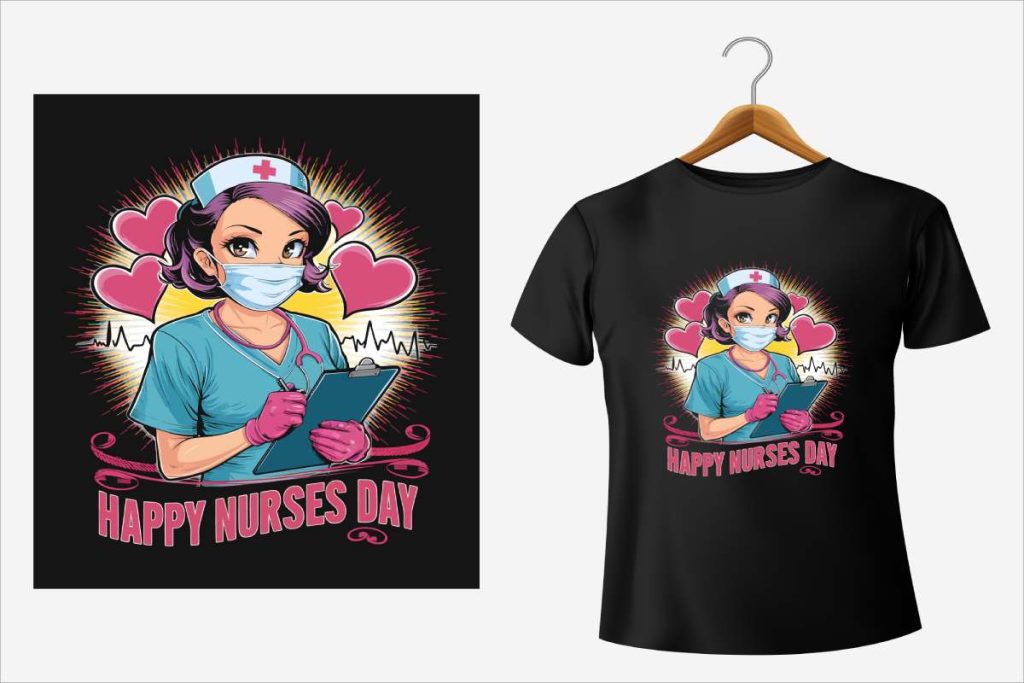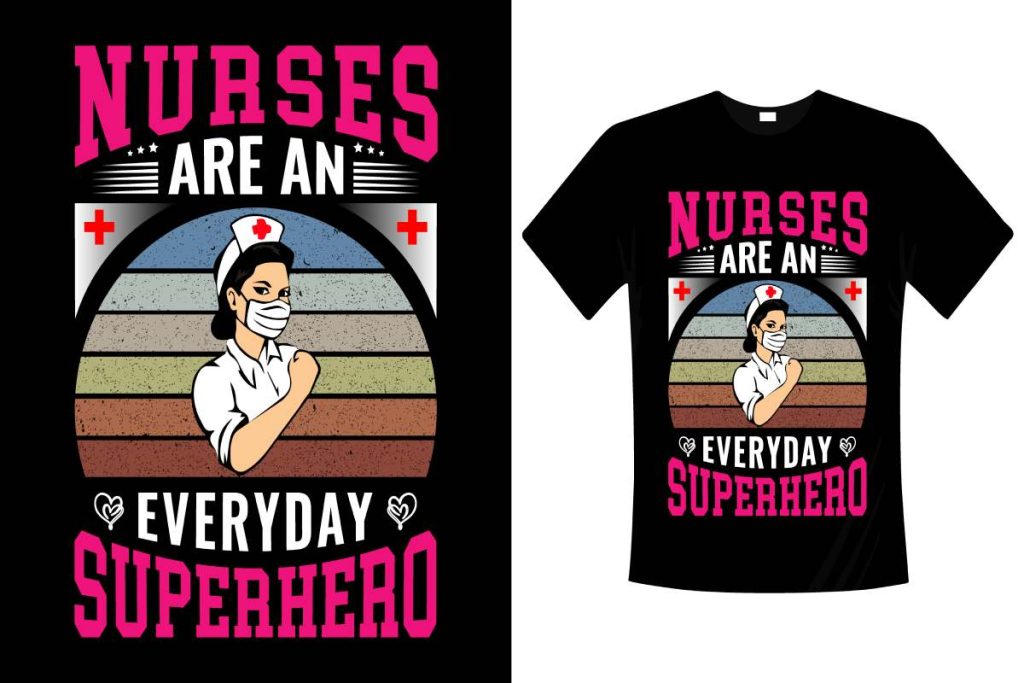
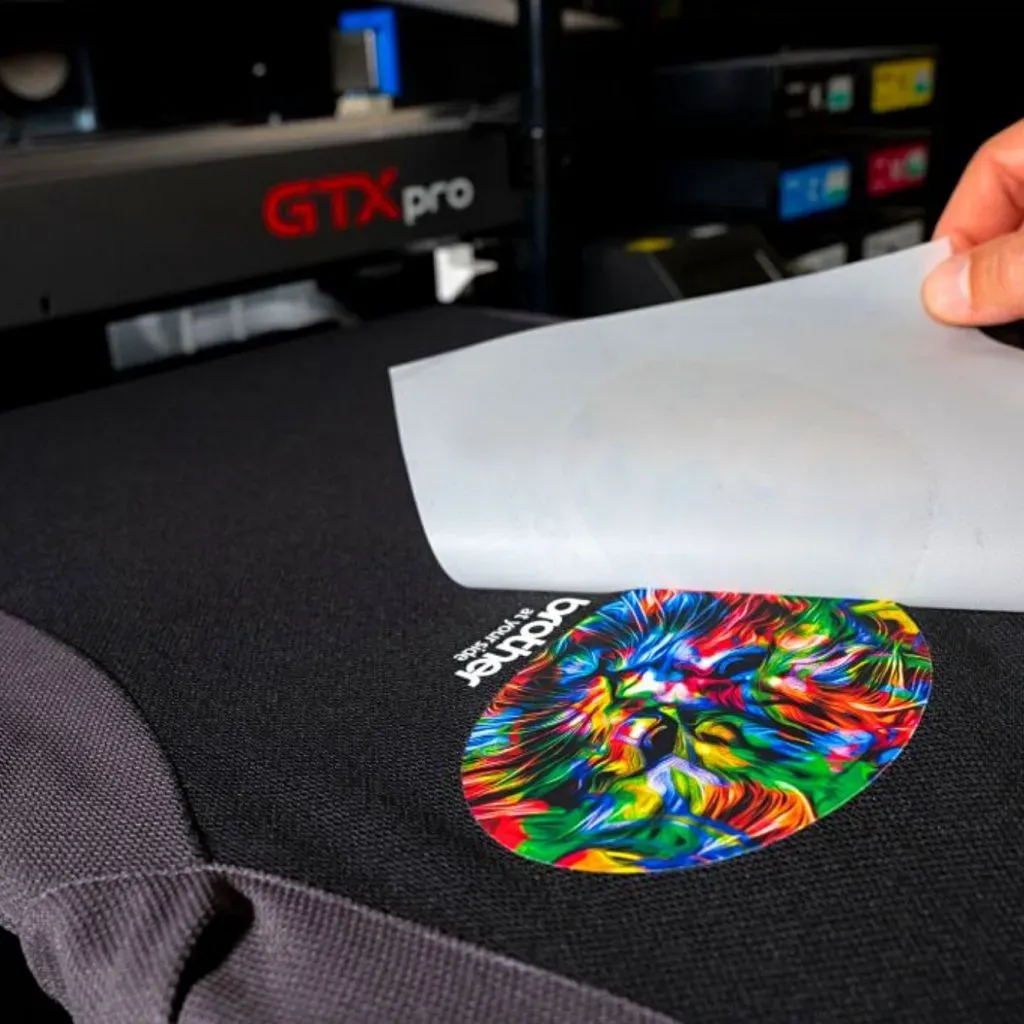
DTF printing, or Direct-to-Film printing, is revolutionizing the world of custom apparel printing with its powerful blend of efficiency and quality. This innovative technology involves transferring designs onto a specialized film, allowing for vibrant prints on a variety of fabrics without the cumbersome setup typically associated with traditional methods. As more businesses recognize the value of DTF technology, the demand for sustainable printing solutions has also risen, aligning with the growing need for eco-friendly practices in the industry. The DTF printing process not only eliminates excessive waste but also produces durable, high-quality outcomes that meet and often exceed customer expectations. With its adaptable applications and cost-effectiveness, DTF printing is poised to become the preferred choice for modern decorators and apparel manufacturers alike.
In the dynamic landscape of textile printing, the term “Direct-to-Film printing” encompasses an advanced method that is reshaping how designs are applied to garments and other materials. Often referred to as the DTF technology, it utilizes a film transfer process that enhances the customization of products in the apparel industry. This technique offers an eco-conscious alternative to traditional approaches, appealing to brands that are committed to sustainable printing solutions. With the ability to produce intricate designs with vibrant colors, the DTF printing process sets a new standard for quality and versatility in the market. As consumer preferences shift towards more personalized and eco-friendly items, the importance of DTF printing in the future of manufacturing cannot be overstated.
Understanding DTF Printing Technology
Direct-to-Film (DTF) printing technology is a groundbreaking advancement that revolutionizes how designs are transferred onto textiles. This process starts with a digital design that is printed on a unique transfer film, allowing for intricate details and vibrant color palettes. Unlike traditional printing techniques, DTF does not require extensive setup or the creation of separate screens for each color, making it a more efficient option for small and large production runs alike.
The DTF printing methodology is particularly favorable for businesses that demand high-quality outputs with minimal waste. This approach allows for the utilization of diverse materials, encompassing everything from cotton to polyester, ensuring that brands can meet the varied preferences of their clients. As DTF technology continues to develop, its flexibility and versatility are attracting companies looking to enhance their customization capabilities in the competitive textile market.
Benefits of Using DTF Printing for Custom Apparel
One of the standout advantages of DTF printing lies in its ability to produce high-quality custom apparel quickly and cost-effectively. As businesses and consumers alike increasingly seek personalized products, DTF printing provides a perfect solution. This technology enables intricate designs and can be applied to a wide range of clothing items, from t-shirts to hoodies, ensuring that businesses can meet diverse customer demands while maintaining quality.
Furthermore, DTF printing is highly efficient for small production runs, which is a significant benefit for startups and up-and-coming brands. The reduction in operational costs associated with setup compared to traditional screen printing methods allows for a more accessible entry point into the market. This cost-effectiveness, combined with high-quality results, makes DTF printing an attractive choice for custom apparel businesses looking to stay relevant in an ever-evolving landscape.
The Eco-Friendly Side of DTF Printing
Sustainability is increasingly becoming a focal point in the fashion and textile industries, and DTF printing is leading the way in eco-friendly printing solutions. By utilizing water-based inks and recyclable transfer films, DTF manufacturers aim to reduce their environmental impact while maintaining high-quality outputs. This shift towards sustainable practices not only benefits the planet but also appeals to a growing base of environmentally conscious consumers.
Incorporating sustainable methods into the DTF printing process allows businesses to align with global environmental initiatives, ensuring that their production methods reflect responsible practices. As visibility and demand for sustainable printing solutions increase, brands that adopt eco-friendly DTF practices will likely find themselves ahead of the curve, gaining a competitive edge in attracting eco-aware customers.
Innovations Driving the Future of DTF Printing
Technological advancements are fueling rapid growth within the DTF printing sector, leading to innovations that enhance the efficiency and quality of prints. The development of sophisticated DTF printers with improved capabilities enables faster production speeds and higher-quality final products compared to older models. For instance, advancements in dual printing technology allow for simultaneous color application, significantly boosting output efficiency.
These innovations not only enhance the printing process but also provide businesses with opportunities to expand their service offerings. As brands strive to differentiate themselves in a competitive market, the advanced capabilities of modern DTF printers are opening doors to unique product customization options that were previously unattainable. This surge in technological progress is setting a new standard for what can be achieved in custom apparel and promotional merchandise.
Market Trends Influencing DTF Printing Growth
The DTF printing market is poised for significant growth, underpinned by the increasing demand for personalized products facilitated by e-commerce trends. As consumers seek unique and customized apparel, the DTF technology emerges as a perfect solution, allowing for quick turnaround times and high-quality prints. Projections indicate a CAGR growth exceeding 15% in the coming years, highlighting the technology’s rising prevalence in multiple sectors.
Market trends also indicate an increasing interest in solutions that cater to sustainability and environmental accountability among consumers. Brands embracing DTF printing to offer eco-friendly products will likely experience a positive reception and increased customer loyalty. Thus, as DTF technology evolves, it is crucial that businesses not only focus on operational efficiency but also on adopting practices that resonate with the eco-conscious consumer base.
Exploring the Versatility of DTF Printing Applications
The versatility of DTF printing extends far beyond custom apparel, encompassing a wide array of applications across various sectors. From promotional items to merchandising, DTF technology has proven to be adaptable and efficient, making it a go-to choice for businesses eager to create unique items that resonate with their target audience. This flexibility enables brands to explore creative avenues and expand their product lines without the constraints of traditional printing methods.
Moreover, DTF printing’s compatibility with numerous surfaces, including fabrics, vinyl, and even leather, further enhances its applicability. As businesses diversify their offerings, the ability to print high-quality designs on various materials opens up pathways for innovative product development. The ever-growing demand for personalized and one-off items in the gifting and promotional sectors indicates that DTF printing will remain a vital player in the customization landscape.
Frequently Asked Questions
What is DTF printing and how does it work?
DTF printing, or Direct-to-Film printing, is a modern printing technology that involves printing a design onto a specialized film. This film is then coated with adhesive powder before being transferred to various substrates, most commonly fabrics like cotton and polyester. The process utilizes a heat press to ensure vivid and durable prints that maintain quality even after multiple washes.
What are the advantages of using DTF technology for custom apparel printing?
DTF technology offers numerous advantages for custom apparel printing, including versatility across different fabrics, high-quality output with vivid colors, and cost-effectiveness for small production runs. Additionally, DTF printing minimizes setup costs compared to traditional methods, making it ideal for businesses looking to cater to specific customer needs.
Is DTF printing a sustainable printing solution?
Yes, DTF printing is considered a sustainable printing solution. Many DTF processes now use eco-friendly inks and recyclable transfer films, which help reduce environmental impact. As the focus on sustainability increases, DTF printing manufacturers are implementing ways to enhance production efficiency while minimizing waste.
What types of materials can be used with DTF printing?
DTF printing is highly versatile and can be applied to a wide range of materials. This includes natural fibers like cotton, synthetic fibers like polyester, and various blends. This adaptability makes DTF printing a preferred choice for custom apparel and promotional products.
How does the DTF printing process compare to traditional screen printing methods?
Compared to traditional screen printing, the DTF printing process is more efficient and flexible. DTF allows printing of detailed designs and multiple colors without the extensive setup associated with screen printing, making it more cost-effective, especially for small batches. Additionally, DTF produces vivid and durable prints suitable for various fabrics.
What recent developments are influencing the DTF printing market?
Recent developments in the DTF printing market include advancements in printing technology that enhance speed and quality, such as high-quality water-based inks and dual printing machines for efficient color operations. The growth of e-commerce is also driving demand, as businesses seek quick turnaround times for customized apparel and promotional items.
| Key Point | Details |
|---|---|
| What is DTF Printing? | A process to print designs on a special film for transfer onto various substrates. |
| Understanding the Process | Starts with a digital design, printed on a film, coated with adhesive, and heat pressed onto fabric. |
| Key Benefits | Versatile, high-quality output, cost-effective for small runs, sustainable practices. |
| Recent Developments | Innovative technologies improve quality and speed; growth driven by e-commerce; broader applications beyond apparel. |
| Sustainability | Focus on eco-friendly inks and recyclable materials to reduce environmental footprint. |
Summary
DTF printing is reshaping the landscape of textile printing by providing innovative solutions that cater to a diverse range of applications. With its ability to produce high-quality prints and versatility across various materials, businesses can significantly enhance their customization capabilities. As DTF technology continues to advance, it not only supports creative expression but also embraces sustainable practices, ensuring a brighter future for the industry. Investing in DTF printing technology offers substantial benefits in quality, cost, and environmental impact, making it an essential choice for modern businesses.