
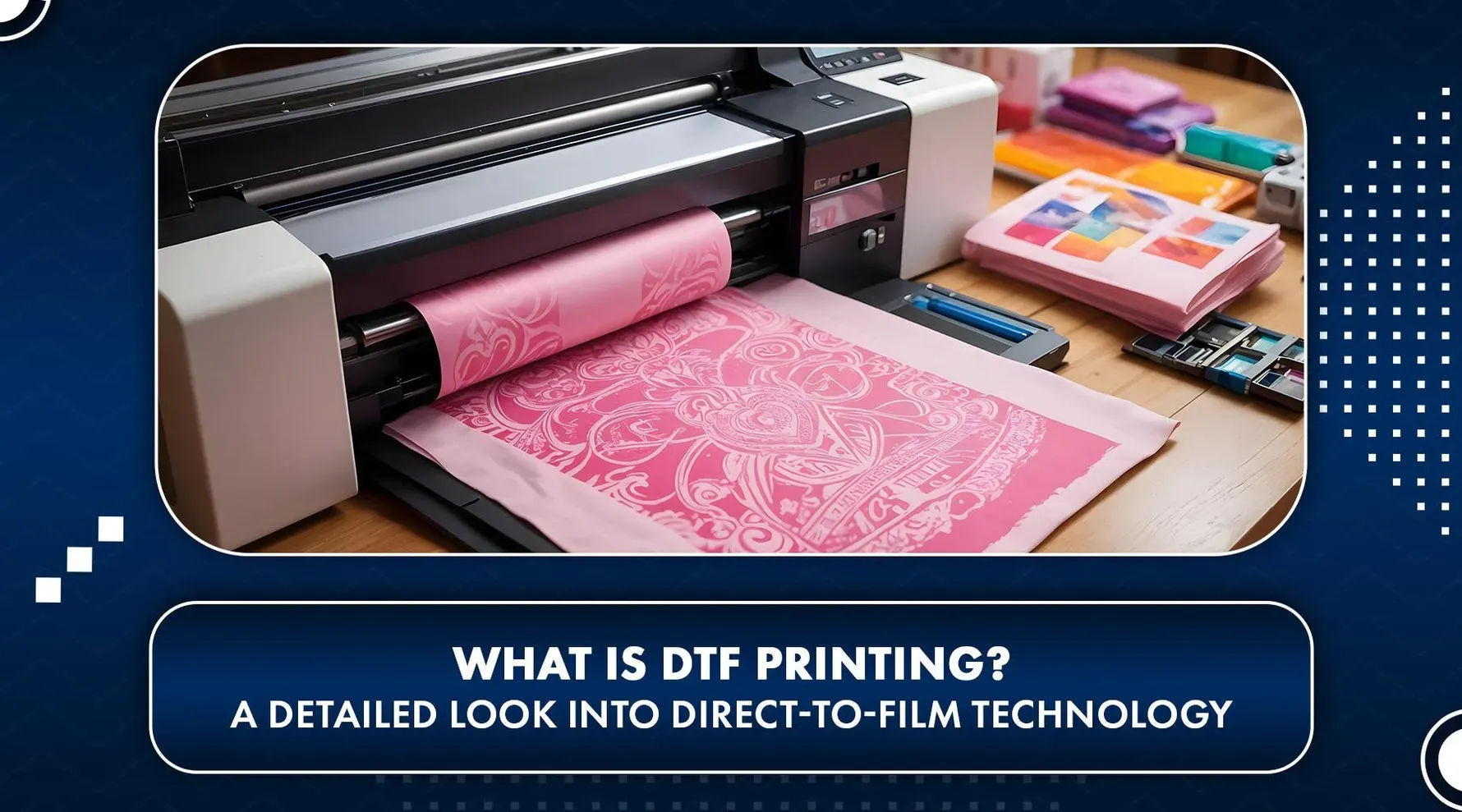
DTF printing technology, or Direct-to-Film printing, has rapidly become a transformative force in the world of custom apparel and textile decoration. With its innovative approach that combines quality with sustainability, DTF empowers businesses to create detailed and vibrant fabric prints with efficiency and ease. This method not only cuts down production costs but also champions eco-friendly practices, addressing the growing demand for sustainable printing technology. As the DTF market growth accelerates, entrepreneurs and small businesses alike are capitalizing on the numerous DTF printing benefits to enhance their offerings. In this article, we will delve into the advancements that are shaping the future of DTF technology and its promising economic impact on the industry.
Emerging directly from the evolving print landscape, Direct-to-Film technology represents a significant leap in custom garment decoration techniques. Known for its ability to deliver high-quality prints with remarkable durability, DTF has captured the attention of numerous apparel brands seeking innovative and cost-effective solutions. This printing method has gained popularity due to its unique qualities, such as environmental friendliness and adaptability to various materials. As the demand for tailored and personalized clothing continues to escalate, it’s essential to understand the mechanics of DTF and its implications for both small and large enterprises. This discussion will provide an overview of how this printing evolution is poised to redefine the commercial apparel space.
Understanding Direct-to-Film Printing Technology
Direct-to-Film (DTF) printing technology has revolutionized the way businesses approach garment decoration. Unlike traditional methods that require extensive setup or high investment, DTF allows for quick and efficient designs to be transferred onto fabrics. This method utilizes a specialized film, on which designs are printed, enabling high-resolution imagery that adheres seamlessly to various textiles. This versatility makes DTF a compelling choice for businesses looking to offer custom apparel locally and across diverse markets.
The process of DTF printing begins with printing a design on a PET film using water-based inks. The printed film is then coated with a hot-melt adhesive powder, which is melted to create a bond with the fabric upon heat pressing. This intricate technique ensures that colors remain vibrant and designs withstand wash and wear, making it an ideal solution for both fashion and promotional items. As a result, DTF printing is gaining traction among both small entrepreneurs and larger businesses aiming to diversify their product lines.
The Benefits of DTF Printing for Custom Apparel
DTF printing offers substantial benefits for the custom apparel market. One significant advantage is cost-effectiveness; by using less ink and reducing material waste compared to traditional printing methods, businesses can achieve higher margins. Furthermore, the scalability of DTF technology means that small and medium enterprises can produce high-quality custom products without hefty investment in machinery or setup costs.
Additionally, DTF printing is known for its ability to handle complex designs with high accuracy. It enables the creation of vivid graphics that pop on garments, unlike some traditional printing techniques which may dull the colors. This adaptability of DTF allows entrepreneurs to cater to a wider range of customers and fashion trends, solidifying their competitive edge in an ever-changing market.
Exploring the Sustainability of DTF Printing Technology
In today’s environmentally conscious world, DTF printing emerges as a sustainable alternative to traditional methods such as screen printing. This innovative technique minimizes waste and reduces the environmental footprint associated with apparel production. DTF technology employs a lower volume of inks and materials, which aligns with eco-friendly practices and helps companies appeal to environmentally aware consumers.
Furthermore, the efficient film transfer process eliminates the need for water in the print process, significantly reducing resource consumption. Many brands are shifting towards sustainable printing technology like DTF to meet regulatory requirements and consumer demand for greener practices. By choosing DTF, companies can still deliver high-quality custom apparel while actively participating in sustainability initiatives.
The Economic Impact of DTF Printing on the Market
The economic landscape for custom apparel printing is being reshaped by the introduction of DTF printing technology. Reports indicate that businesses adopting DTF can decrease operational costs by 20-30% compared to conventional methods. This cost reduction is primarily attributed to the lower overhead related to setup and material use, which is critical for startups and smaller enterprises looking to thrive in a competitive industry.
Additionally, as consumer demand for customization and unique fashion items continues to rise, DTF printing positions itself as a financially viable solution. It allows businesses to quickly adapt to market trends, offering rapid turnaround times for custom orders, thus maximizing profitability and opening up new revenue streams through personalized products.
Market Growth Potential for DTF Printing Technology
The DTF printing market is poised for remarkable growth in the coming years. Analysts predict a compound annual growth rate (CAGR) exceeding 15%, indicating a flourishing opportunity for businesses in various sectors. With growing applications in fashion, home textiles, and promotional items, DTF printing technology is set to expand its reach beyond traditional boundaries.
This growth reflects the increasing consumer preference for personalized and unique products, which DTF effectively meets. Innovations within the technology, including improved printer capabilities and ink formulations, are likely to further stimulate the market. As businesses recognize the potential of DTF to deliver high-quality and customizable solutions, the technology is expected to carve out a significant niche in the print industry.
Future Perspectives on DTF Printing Technology
Looking towards the future, DTF technology may redefine norms in the printing industry, driven by its adaptability and economic viability. As more brands and businesses incorporate DTF into their operations, the understanding and application of this printing method will evolve. This evolution includes not only technical advancements but also increased consumer awareness and reception of DTF-printed products.
Moreover, collaboration between technology providers and businesses will likely lead to innovative applications that push the boundaries of DTF printing. For instance, expanding into new material types or 3D designs can unlock potential markets and redefine custom apparel. As DTF printing continues to develop, it promises to shape the future of sustainable and high-quality garment decoration, making it an essential component of the global print landscape.
Frequently Asked Questions
What is DTF printing technology and how does it work?
Direct-to-Film (DTF) printing technology is an innovative printing method that involves transferring high-quality prints onto a special film and then applying it to fabric. This process ensures vibrant colors and intricate designs with durability. DTF is especially beneficial for businesses looking to enter the custom apparel printing market due to its affordability and quality.
What are the main benefits of DTF printing for custom apparel?
DTF printing offers numerous benefits for custom apparel, including cost-effectiveness, high-quality output, and fast turnaround times. It reduces production costs by 20-30% compared to traditional methods like Direct-to-Garment (DTG) printing, making it accessible for small to medium-sized enterprises.
How does DTF printing contribute to sustainable printing technology?
DTF printing is considered a sustainable printing technology as it minimizes waste and optimizes resource use. The efficient film transfer process reduces material consumption, making it an eco-friendly alternative to traditional screen printing. This aligns with the increasing demand for environmentally responsible manufacturing.
What advancements have been made in DTF technology recently?
Recent advancements in DTF printing technology include the introduction of more efficient DTF printers and improved ink formulations. These innovations enhance print quality, adhesion, and speed of production, making DTF printing a viable option for various fabric types and expanding its market reach.
What is the projected growth of the DTF market in the coming years?
Experts predict that the DTF printing market will experience substantial growth, with a compound annual growth rate (CAGR) exceeding 15% over the next five years. This growth is driven by increasing applications in fashion, home textiles, and promotional merchandise, marking DTF as a key player in the printing industry.
How can businesses benefit from adopting DTF printing technology?
Businesses can benefit from adopting DTF printing technology by reducing production costs, enhancing print quality, and increasing efficiency. The lower setup costs and faster turnaround times enable small to medium enterprises to enter the custom apparel market more easily, while its sustainable practices attract eco-conscious consumers.
| Key Points | Details |
|---|---|
| Introduction | DTF (Direct-to-Film) printing technology is revolutionizing the print industry with affordability, quality, and sustainability. |
| Overview | Transfers high-quality designs onto various fabrics, maintaining durability and vivid colors. |
| Growing Adoption | Boosted by cost-effectiveness, DTF is favored by small and medium enterprises for custom apparel. |
| Technological Advancements | Innovative DTF printers enhance the printing process with quicker turnaround times and better ink formulations. |
| Economic Impact | Businesses using DTF can reduce costs by 20-30% compared to traditional methods. |
| Environmental Considerations | Minimizes waste and resource use, making it an eco-friendly alternative to traditional screen printing. |
| Market Potential | Predicted growth of over 15% CAGR in the DTF market, impacting fashion, home textiles, and promotional merchandise. |
| Conclusion | DTF printing technology offers cost savings and high quality, positioning it as the future of garment decoration. |
Summary
DTF printing technology is poised to transform the printing industry with its innovative approach to garment decoration. By effectively combining cost-saving measures with environmentally friendly practices, DTF allows businesses of all sizes to produce high-quality custom apparel efficiently. This burgeoning technology not only meets the increasing demand for customization but also supports sustainable practices, ensuring that it remains a vital player in the print industry’s future. Embracing DTF printing technology can provide businesses with a competitive edge in a rapidly evolving market, making it a smart choice for both new and established enterprises.