
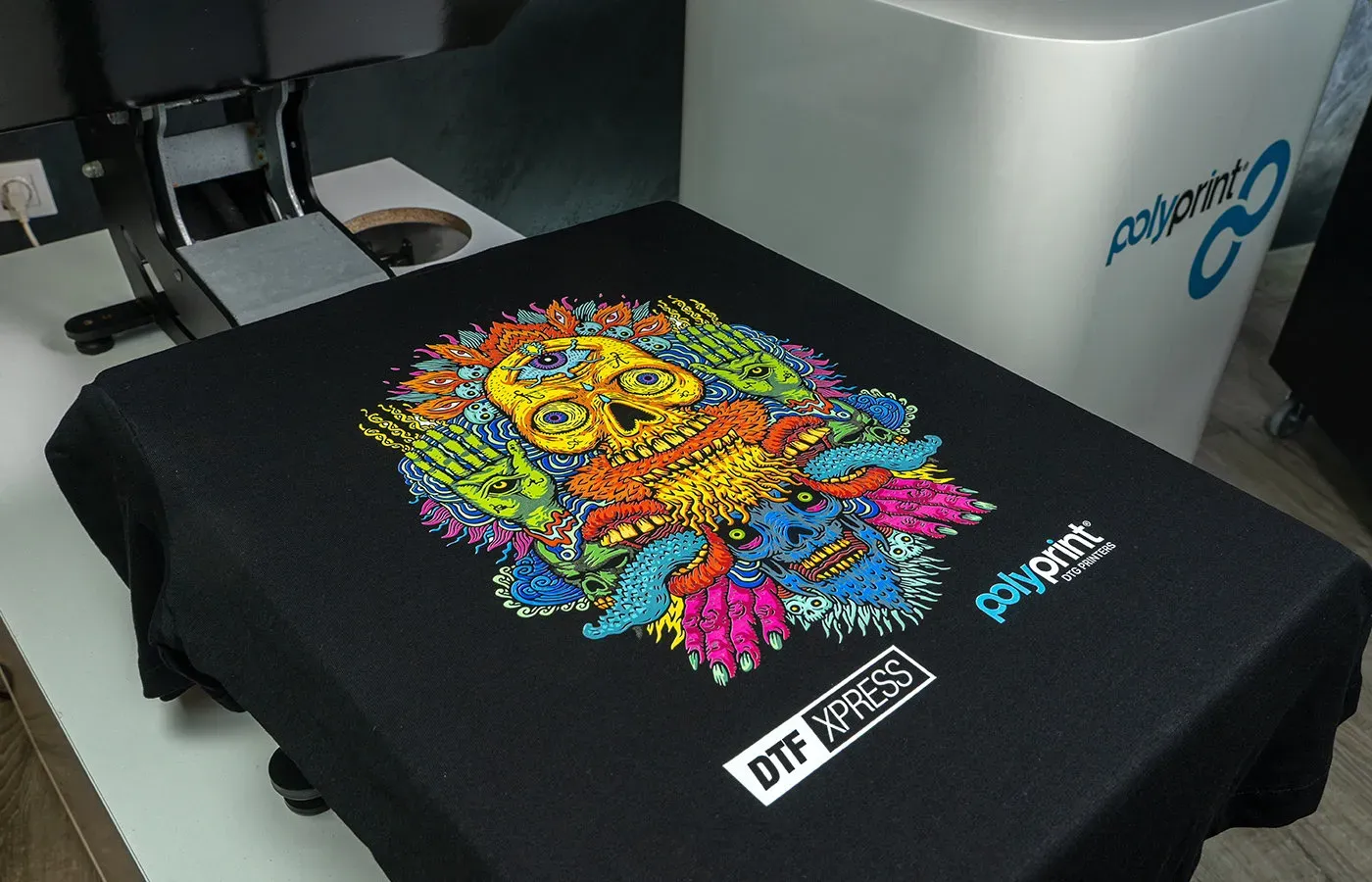
DTF printing, or Direct-to-Film printing, has revolutionized the textile printing industry by introducing a highly efficient and effective method for producing custom apparel. This innovative technology allows for high-quality designs to be transferred directly onto fabrics, opening up new avenues for creativity and personalization. As the popularity of custom apparel printing continues to rise, understanding the benefits of DTF printing becomes essential for businesses aiming to meet changing consumer demands. In this article, we will delve into the many advantages of DTF printing, explaining why it's touted as a sustainable printing method while highlighting its place in the modern landscape of textile printing technology. The unique capabilities of DTF printing ensure it stands out, making it a go-to solution for tailored clothing and promotional items.
Direct-to-Film (DTF) printing, sometimes referred to as film-based textile printing, is emerging as a game-changing process in the world of custom garment creation. This advanced printing method focuses on transferring detailed designs onto various fabrics using specially developed films, thus enhancing the customization potential for businesses. As market demands shift towards personalized apparel and environmentally responsible practices, the appeal of this printing technology gains momentum. By utilizing innovative techniques that allow for vibrant and long-lasting prints, DTF offers unique features not found in traditional printing styles. Dive deeper with us as we explore the science of DTF printing and its profound impact on the future of custom textiles.
Understanding the Basics of DTF Printing
Direct-to-Film (DTF) printing is an innovative method that allows for high-quality graphics to be transferred to fabric with precision. This technique involves printing the design onto a special film that is then heat-pressed onto the textile surface, making it distinct from traditional printing methods like screen printing or direct-to-garment (DTG) printing. The DTF printing process opens new avenues in custom apparel printing by enabling businesses to achieve detailed designs that are vibrant and durable.
One of the primary benefits of DTF printing is its versatility; it can be used on various materials, including cotton and polyester blends. This adaptability allows businesses to cater to diverse market needs, tailoring their offerings to suit different consumer preferences. As the popularity of DTF continues to rise, understanding its nuances is essential for any company aiming to thrive in the competitive custom apparel market.
The DTF Printing Process Explained
The DTF printing process comprises several well-defined steps that contribute to its efficacy in producing high-quality prints. Initially, digital designs are prepared specifically for DTF printing. This preparation includes creating vibrant graphics that capture consumer attention while ensuring that they can withstand the transfer process. Following this, the next step involves printing the design onto a specially treated film using advanced DTF printers, ensuring that every detail is captured accurately.
Once the image is printed, a powdered adhesive is applied while the ink is still wet. This critical step ensures that when the film is heat-pressed onto the fabric, the adhesive bonds effectively, resulting in a permanent design transfer. Curing the film using heat solidifies this process, allowing for the final step of placing the film onto the textile under heat and pressure, creating stunning and long-lasting custom apparel.
Advantages of DTF Printing Over Traditional Methods
DTF printing boasts several advantages compared to traditional textile printing methods. Notably, one key benefit is its cost-effectiveness for smaller production runs. Unlike screen printing, which requires costly setups for each new design, DTF printing allows businesses to print custom designs without significant additional costs, enabling them to cater to niche markets and individual orders effectively.
Additionally, DTF printing provides exceptional versatility by being able to print on a wide array of fabric types. Whether it's a cotton T-shirt or a polyester sports jacket, DTF can deliver high-quality results across multiple substrates. This flexibility not only expands the potential product range for businesses but also aligns with the growing consumer trend favoring personalized and customizable clothing options.
Sustainable Practices in DTF Printing
In recent years, sustainability has become a critical focus within the textile industry, and DTF printing is no exception. Many manufacturers are now utilizing water-based inks that are far more environmentally friendly compared to traditional solvent-based alternatives. This shift not only reduces environmental impact but aligns with the increasing demand from consumers for sustainable printing methods.
Moreover, recent advancements in DTF technology include the introduction of biodegradable inks that further enhance the eco-friendliness of this printing method. Companies focused on sustainable practices can leverage these innovations to not only meet consumer expectations but also actively contribute to decreasing their carbon footprint, making DTF an attractive option for environmentally-conscious brands.
Emerging Trends in the DTF Printing Market
The DTF printing market is witnessing significant growth driven by several emerging trends. One notable trend is the increasing consumer demand for customized apparel, leading to a surge in businesses focusing on bespoke clothing options. DTF technology allows these businesses to produce tailored products swiftly and efficiently, catering to modern consumer preferences for unique, personalized items.
Additionally, the diversity in offerings made possible by DTF technology enables companies to adapt quickly to changes in market demands, whether they are creating promotional materials or unique merchandise for events. As DTF printing becomes more mainstream, businesses leveraging these capabilities are finding themselves at a competitive advantage in an ever-evolving retail landscape.
Overcoming Challenges in DTF Printing Technology
Despite the many benefits of DTF printing, there are challenges that must be addressed to fully harness its potential. One of the prominent issues is achieving consistent color matching across different fabric types. Variations in pre-treatment processes and materials can lead to discrepancies in color output. Continuous research is essential to refine ink formulations, allowing for better compatibility and more reliable results.
Another challenge is the longevity of DTF prints, particularly concerning wash and wear durability. Companies are actively seeking innovations that enhance the durability of prints, ensuring that they withstand the test of time while maintaining their vibrant appearance. Such advancements are crucial for businesses that aim to provide high-quality custom apparel that meets the expectations of their customers.
Frequently Asked Questions
What is DTF printing and how does it work?
DTF printing, or Direct-to-Film printing, is an innovative textile printing technology that transfers designs onto fabrics using a pre-printed film. The process begins with creating a digital design, which is then printed on a special film. An adhesive is applied while the ink is wet, and the film is cured with heat. Finally, the film is heat-pressed onto the fabric, resulting in vibrant, durable prints suitable for custom apparel.
What are the advantages of DTF printing compared to other methods?
DTF printing offers several advantages over traditional methods like screen printing and DTG printing. It is versatile, allowing prints on various fabric types, including cotton and polyester. DTF printing is also cost-effective for small runs, eliminating expensive setups typically needed for other techniques. Additionally, many DTF inks are water-based, making them more environmentally friendly and aligning with the rise of sustainable printing methods.
Is DTF printing suitable for sustainable apparel production?
Yes, DTF printing is particularly suitable for sustainable apparel production. Many DTF inks are water-based and eco-friendly, reducing the environmental impact compared to solvent-based inks in traditional printing. The technology also supports smaller batch production, minimizing waste and allowing for the creation of customized apparel without excess resources.
How does DTF printing handle color matching and print durability?
Color matching in DTF printing can be challenging due to the variations in fabric types and pre-treatment processes. However, advancements in ink formulations are continuously being researched to improve consistency. Print durability is another area of focus; companies are exploring ways to enhance the longevity of DTF prints to withstand washing and wear, ensuring they maintain their vibrancy over time.
What trends are driving the growth of DTF printing in the custom apparel market?
Several trends are propelling the growth of DTF printing in the custom apparel market. There is a rising demand for personalized clothing, pushing small-to-medium enterprises to adopt DTF technology. Furthermore, businesses can quickly adapt their offerings to meet diverse customer needs, enhancing their competitive edge. The emergence of local custom garment shops utilizing DTF printing for bespoke creations is also contributing to its popularity.
What recent advancements have emerged in DTF printing technology?
Recent advancements in DTF printing technology have significantly improved print quality and production efficiency. Innovations in ink formulations have led to enhanced print durability and color vibrancy. Additionally, new DTF printers have been introduced that offer faster production speeds without compromising detail, making them ideal for bulk orders while maintaining high standards of custom apparel quality.
| Key Aspect | Details |
|---|---|
| Introduction | DTF printing combines versatility, cost-effectiveness, and quality, making it essential for customized apparel. |
| What is DTF Printing? | A method that transfers designs onto fabrics using a specialized film, contrasting traditional screen and DTG printing. |
| DTF Printing Process | 1. Design Creation 2. Film Printing 3. Powder Adhesive Application 4. Curing 5. Heat Transfer |
| Advantages | Versatile, cost-effective, environmentally friendly (uses water-based inks). |
| Recent Developments | Innovations in ink and printer speeds enhance quality and eco-friendliness. |
| Market Trends | Growing demand for customization and diversity in products, popularity in local shops. |
| Challenges | Color matching issues and print longevity concerns under continuous improvement. |
| Conclusion | DTF printing offers a progressive and sustainable solution for custom apparel with a promising future. |
Summary
DTF printing is transforming the textile industry by providing a modern approach to fabric printing that is efficient, adaptable, and environmentally friendly. As businesses increasingly seek personalized and sustainable options, DTF printing emerges as a leading technology, capable of meeting the demands of custom apparel markets with high-quality prints and vibrant colors. Understanding the nuances of DTF printing not only empowers businesses to innovate but also positions them favorably in an evolving market that prioritizes individuality and quality.