
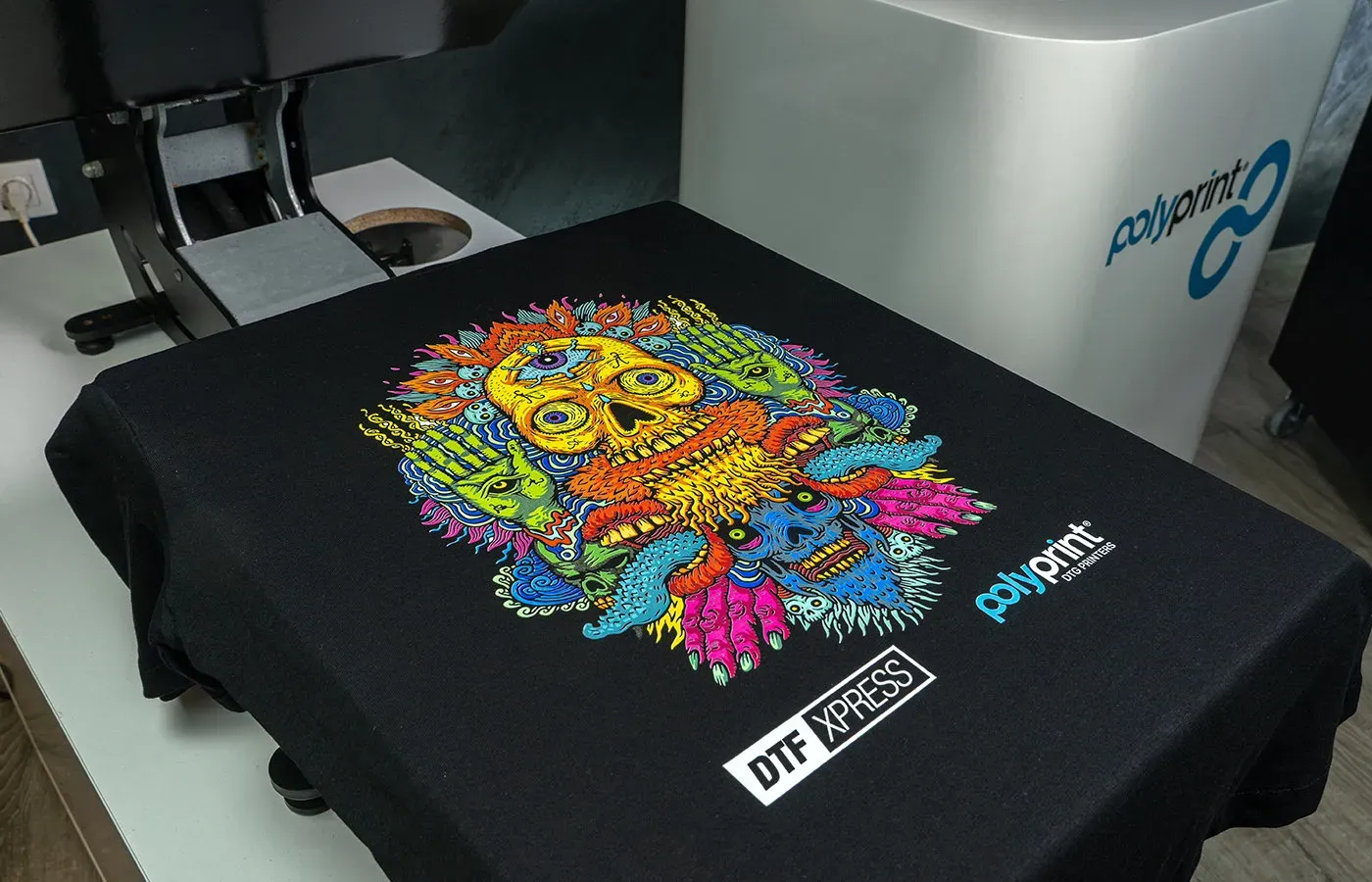
DTF printing, or Direct-to-Film printing, has transformed the landscape of garment decoration with its innovative approach to high-quality image transfers. This advanced method utilizes a specialized process where vibrant images are printed onto a unique film, allowing for stunning designs that adhere beautifully to various fabrics. Among the many DTF printing advantages are its remarkable versatility, making it suitable for a wide range of materials, and its cost-effectiveness, particularly for custom apparel DTF printing. Moreover, the DTF printing process is designed to produce long-lasting prints that resist peeling and fading, ensuring that created designs maintain their vibrancy through multiple washes. As consumers increasingly prioritize sustainable practices, the rise of eco-friendly DTF printing techniques marks a significant step forward in the industry, making this technique not only efficient but also responsible.
In the realm of garment customization, Direct-to-Film printing stands out as a cutting-edge methodology that streamlines the printing process for apparel and promotional items. Known for its seamless ability to produce intricate designs with vivid color accuracy, this printing technique employs a unique transfer film that enhances both durability and detail. As the custom printing market grows, many are embracing the capabilities of this innovative approach, which allows users to craft personalized garments with ease. Additionally, with a growing emphasis on environmentally friendly practices, businesses are gravitating towards sustainable DTF printing options that align with consumer values. Whether you're looking to print custom logos or intricate graphics, this pioneering technology caters to the diverse needs of modern apparel printing.
Understanding the DTF Printing Process
The Direct-to-Film (DTF) printing process is a revolutionary technique in the realm of textile decoration. It begins with the creation of a digital design, typically using graphic design software, tailored specifically for the intended fabric. Once the design is finalized, it is printed onto a specialized DTF film using high-quality DTF inks. This unique polymer film serves as a medium, ensuring the preservation of intricate details, vivid color saturation, and high contrast, which are often challenging to achieve with traditional printing methods like screen printing.
Once the design is printed onto the film, the next essential step is the application of an adhesive powder. This powder plays a crucial role by facilitating the bonding of the ink to the fabric during the heat transfer process. After the adhesive powder is applied, it's cured using heat, solidifying the bond and preparing the design for a smooth transfer. The final step involves using a heat press to apply significant heat and pressure, which effectively transfers the vibrant design onto the fabric, resulting in a high-quality finish that is both durable and elastic.
Advantages of DTF Printing
DTF printing stands out in the competitive landscape of printing technologies due to its myriad advantages. One of its most significant benefits is its unparalleled versatility, allowing it to print on a wide range of fabrics, including cotton, polyester, and their blends. This flexibility makes DTF ideal for various applications, from custom apparel to promotional merchandise, catering to diverse customer needs. It can effortlessly accommodate intricate designs and varying color palettes, making it a go-to choice for those looking to produce vibrant, eye-catching textiles.
Moreover, DTF printing offers significant cost savings, particularly for small runs and on-demand orders. Unlike traditional methods that often require costly setup, DTF printing allows you to print without the burden of extensive initial investments. The on-demand model reduces waste and inventory costs, aligning perfectly with the growing trend of sustainable production. Additionally, the final prints are known for their durability, resisting peeling and cracking even after multiple washes, which significantly enhances their longevity and value for consumers.
Sustainable Practices in DTF Printing
Sustainability has become a pivotal concern in the modern printing industry, and DTF printing is no exception. Companies in this sector are increasingly adopting eco-friendly practices to mitigate their environmental impact. For instance, many are transitioning to water-based inks, which are less harmful than their solvent-based counterparts. These inks not only provide excellent print quality but also ensure that the printing process is more environmentally friendly, appealing to eco-conscious consumers who prioritise sustainability in their purchasing decisions.
Additionally, implementing recycling programs for waste materials generated during the printing process is another way businesses in the DTF sphere are committing to greener practices. By educating customers about sustainable options for custom apparel, brands can create a more informed consumer base, encouraging environmentally responsible choices. As the demand for sustainable products continues to rise, DTF printers that prioritize eco-friendly practices are likely to gain a competitive advantage in the market.
Technological Innovations in DTF Printing
The DTF printing landscape is continually evolving, driven by rapid technological advancements that enhance both efficiency and quality. Innovations in printer technology, ink formulations, and software development are redefining the capabilities of DTF printing. For example, the latest printers on the market are capable of producing ultra-high-resolution prints with faster production speeds, allowing businesses to meet the increasing demand for quick-turnaround orders without compromising on quality. These developments ensure that even the most complex designs can be reproduced with stunning fidelity and precision.
Moreover, advancements in DTF inks have resulted in formulations that are not only vibrant and durable but also more environmentally friendly. As companies strive to reduce their carbon footprint, innovations such as biodegradable inks and improved adhesive powders are gaining traction. These enhancements not only improve the quality of printed materials but also cater to the growing market of eco-conscious consumers looking for sustainable fashion options. Keeping pace with these technological trends will be crucial for businesses aiming to stay ahead in the competitive world of DTF printing.
The Future of Custom Apparel with DTF Printing
The rise of custom apparel is significantly influenced by the capabilities of DTF printing technology. As personalization becomes a defining trend in fashion, the demand for unique, high-quality clothing is on the rise. DTF printing facilitates this by enabling low-cost, on-demand production of custom designs, making it easier for businesses to offer personalized products without the risk of oversupply. This ability to customize in real-time not only enhances customer satisfaction but also opens up untapped markets for emerging designers.
Furthermore, technology in DTF printing continues to advance, offering even greater customization options such as multi-color prints and complex artwork integration. As online platforms for personalized shopping multiply, brands that utilize DTF printing can respond swiftly to consumer requests for unique designs. This responsiveness, combined with the superior quality associated with DTF printing, sets a solid foundation for the future of custom apparel, ensuring that businesses can thrive in an increasingly competitive marketplace.
Resources for Mastering DTF Printing
For those keen on mastering the art of DTF printing, a wealth of resources is available. Industry publications such as Printwear Magazine and T-Shirt Magazine provide extensive articles and guides on the latest advancements in DTF technologies, insights into best printing practices, and tips for optimizing equipment performance. These resources are invaluable for both beginners and experienced professionals looking to refine their skills and stay updated with industry trends.
Additionally, online forums and communities dedicated to DTF printing can be excellent platforms for networking and knowledge-sharing. Engaging with fellow enthusiasts can offer practical insights and troubleshooting tips that enhance the learning experience. For those who prefer formal education, various online courses and webinars are available, covering everything from intricate design techniques to sustainable printing practices, ensuring a comprehensive understanding of the DTF printing process.
Frequently Asked Questions
What is DTF printing and how does it work?
DTF printing, or Direct-to-Film printing, is a process where high-quality images are printed onto a special polymer film using DTF inks. This film is then transferred onto fabric using heat and pressure, allowing for vibrant colors and intricate designs that are durable and long-lasting.
What are the advantages of using DTF printing for custom apparel?
DTF printing offers several advantages for custom apparel, including versatility in printing on various materials, high resolution for detailed designs, cost-effectiveness for small runs, and ease of use. This makes it an excellent choice for custom apparel businesses looking to create unique designs.
Can DTF printing be considered a sustainable option for garment printing?
Yes, DTF printing can be sustainable, especially when using eco-friendly inks and adopting recycling practices. Many businesses are implementing water-based inks and recycling waste materials, making DTF printing a more environmentally responsible choice in the apparel industry.
What equipment is necessary for the DTF printing process?
To successfully execute DTF printing, you'll need a DTF printer, DTF film, adhesive powder, and a heat press. Each piece of equipment plays a crucial role in ensuring high-quality prints and durability.
How does the DTF printing process compare to other printing methods?
The DTF printing process is often preferred over methods like screen printing or direct-to-garment (DTG) printing for its ability to produce vibrant colors and intricate details without the peeling or cracking issues commonly seen in other methods. Additionally, DTF printing is usually more cost-effective for small batches.
What current trends are influencing the DTF printing industry?
Current trends in DTF printing include increased demand for custom apparel, the rise of eco-friendly practices, and technological advancements that enable higher resolution prints and faster production speeds. These trends reflect the industry's adaptation to consumer preferences and market needs.
| Key Point | Description |
|---|---|
| What is DTF Printing? | DTF (Direct-to-Film) Printing is a technique where designs are printed on a special film and then transferred to fabrics using heat and pressure, allowing for high-quality and intricate designs. |
| Advantages of DTF Printing | Includes versatility for various materials, high quality with great resolution, cost-effectiveness for small runs, and ease of use for beginners and professionals alike. |
| Equipment Needed | Essential equipment includes a DTF printer, DTF film, adhesive powder, and a heat press to produce quality prints. |
| Current Trends | Notable trends include increased demand for customized apparel, adoption of eco-friendly practices, and technological advancements in printing. |
| DTF Printing Process | The process involves design creation, printing on DTF film, applying adhesive powder, curing the design, and transferring to fabric using a heat press. |
| Sustainability Efforts | Focuses on eco-friendly inks, recycling programs, and raising consumer awareness about sustainable printing options. |
| Resources for Further Learning | Useful platforms include Printwear Magazine, T-Shirt Magazine, and Research Gate for insights and advancements in DTF printing. |
Summary
DTF printing is a cutting-edge printing method that has transformed the garment decoration industry. This versatile technique allows for vibrant prints on various fabric types, making it a preferred choice for custom apparel and promotional items. The advantages of DTF printing include high resolution, durability, and cost-effectiveness, which are crucial for businesses and individual designers alike. Furthermore, sustainability practices are increasingly being integrated into DTF printing operations, catering to eco-conscious consumers. As technology continues to advance, the DTF printing landscape remains vibrant and adaptable, ensuring that users can stay ahead in the ever-evolving world of textile printing.