
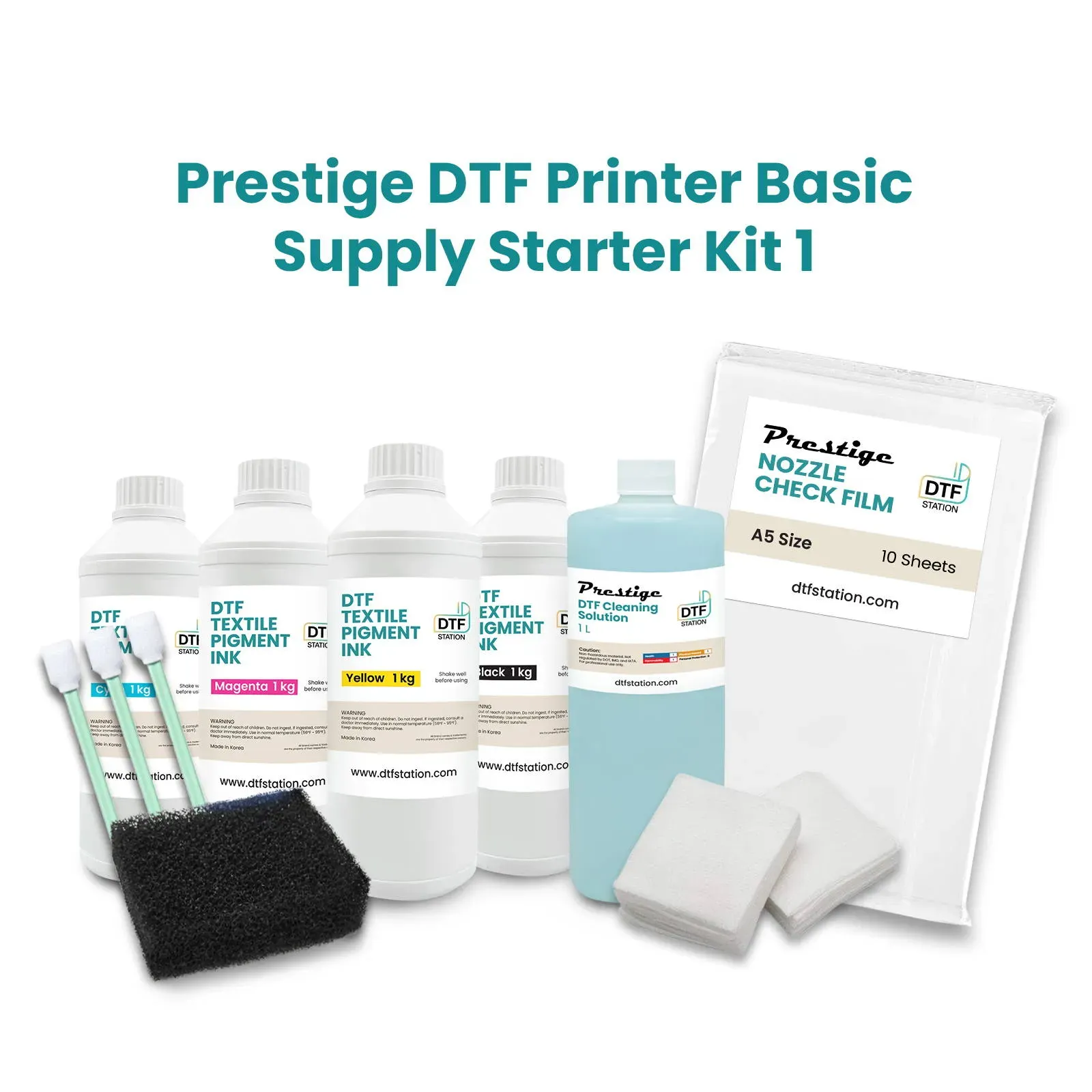
DTF supplies are essential for anyone interested in delving into the world of Direct-to-Film (DTF) printing, a technique that has taken the garment industry by storm. This innovative method enables creators to produce vibrant, high-quality prints that adhere well to various fabrics, making it a favorite among both hobbyists and entrepreneurs. To achieve stunning results, you'll need to familiarize yourself with key components such as DTF inks, transfer films, and the heat press for DTF applications. By understanding these critical supplies, you can elevate your printing quality and meet the increasing demands for custom apparel. Whether you're embarking on a creative project or starting a business, mastering the use of DTF supplies is a crucial step toward successful printing endeavors.
When exploring the realm of Direct-to-Film printing supplies, it's important to consider the tools and materials necessary for achieving professional-grade results. Often referred to simply as DTF equipment, the essentials include specialized inkjet printers, quality transfer mediums, and specific adhesives designed to ensure a seamless transfer of vibrant designs onto textiles. Additionally, having the right heat press for DTF processes is pivotal, as this ensures proper adhesion of the prints to the fabrics. By understanding these important aspects and leveraging high-quality components, individuals can effortlessly create eye-catching designs and cater to the growing demand for customized apparel.
Essential Supplies for DTF Printing Beginners
When starting with DTF printing, having the right set of supplies is absolutely essential. At the heart of the operation is a high-quality DTF printer, specifically designed to handle the unique requirements of this printing method. These printers utilize specialized DTF inks that ensure vibrant colors and excellent durability when transferred onto the fabric. Choosing an appropriate printer can significantly influence the quality of your final print, making it necessary for beginners to invest in reliable brands such as Epson, Mimaki, or Roland.
In addition to the printer, transfer films are crucial for DTF printing. These films are coated with a specialized layer that enables the ink to bond effectively during the heat transfer process. Using quality transfer films like PET ensures that prints not only look stunning but also withstand regular wear and washing. Opting for the right supplies from the beginning can save time, money, and resources as you delve into the world of DTF printing.
Understanding DTF Inks and Their Importance
The choice of DTF ink plays a pivotal role in achieving high-quality prints, as these inks are specifically designed to adhere to transfer films and textile materials. Most DTF inks are water-based, making them environmentally friendly while providing vibrant and long-lasting colors. Beginners need to pay attention to the composition of the inks, as the right pigments will enhance not just the aesthetic appeal but also the performance of the printed design on various fabrics.
Moreover, quality DTF inks improve bonding with the transfer films, significantly impacting the final results. Inks that aren’t formulated properly can lead to discrepancies in vibrancy and durability of prints, such as fading or peeling. Investing in good-quality DTF inks will not only enhance customer satisfaction but also elevate your work in a highly competitive industry.
Choosing the Right Heat Press for DTF Printing
A heat press is an indispensable tool in DTF printing, converting printed designs from transfer films to fabric through heat and pressure. When selecting a heat press, beginners should consider features like adjustable temperature and pressure settings to achieve the best results across different materials. A versatile heat press can handle a variety of substrate requirements, making it a valuable long-term investment.
Additionally, it's essential to familiarize yourself with the heat press operation for DTF printing. Continual practice and adjustments will help you understand how different fabrics respond to heat and pressure, enhancing your overall printing technique. Miscalculations in heat application can lead to poor adhesion, so mastering this tool is a significant step toward successful DTF printing.
The Role of Adhesive Powders in DTF Printing
Adhesive powders are a crucial component in the DTF printing process, acting as a binding agent that allows printed designs to adhere firmly to fabric. When applied to the printed design while the ink is still wet, the powder ensures proper adhesion when heat is applied. It’s important to choose the right adhesive powder that is compatible with various types of textiles to allow for diverse product offerings.
Using the right type of adhesive powder can make or break the quality of a DTF print. Quality powders enhance the longevity of designs, minimizing the risk of peeling or cracking over time. As beginners explore different fabrics and designs, experimenting with various adhesive powders can lead to discovering the best match for your printing needs, ensuring high-quality and reliable results.
Exploring Recent Trends in DTF Printing
The DTF printing industry is experiencing a surge in popularity due to its versatility and the high-quality prints it produces. Recently, technological advancements and cost reductions in DTF equipment have encouraged more small businesses and hobbyists to adopt this printing method. This trend emphasizes the importance of staying updated with the latest developments in DTF supplies and techniques to leverage potential opportunities in the market.
Moreover, the trend toward sustainability is reshaping the DTF landscape. Eco-conscious consumers are increasingly seeking out printing solutions that prioritize environmentally friendly processes. As a result, many suppliers are now offering biodegradable adhesive powders and non-toxic DTF inks, catering to a growing audience concerned about their ecological footprint. Embracing these innovations not only enhances your brand’s appeal but also aligns with current consumer values.
Tips for Success in DTF Printing
As you embark on your DTF printing journey, remember that thorough research is key to becoming proficient. Understanding each component—from the DTF printer to the transfer films and inks—will provide a solid foundation for successful printing. Engaging with online resources, such as instructional videos and community forums, can greatly enhance your knowledge and confidence as a beginner.
Additionally, prioritizing quality over quantity when sourcing your DTF supplies will lead to better outcomes in your prints. High-quality materials may require a bigger initial investment, but they pay off in terms of durability and print clarity. As you practice and fine-tune your techniques, sharing experiences with other DTF enthusiasts can also pave the way for insightful tips and advice that enrich your skills.
Frequently Asked Questions
What are the essential DTF supplies needed for printing?
To start DTF printing, you will need the following essential supplies: a DTF printer, transfer films, DTF ink, adhesive powder, and a heat press. Each item plays a crucial role in ensuring high-quality prints, so it’s important to choose compatible and reliable products.
How do I choose the right DTF transfer films for my projects?
When selecting DTF transfer films, opt for high-quality PET (Polyethylene Terephthalate) films. These films have specific coatings that allow for optimal ink adhesion. Consider the durability and compatibility of the films with various textiles to ensure the longevity of your prints.
What types of DTF inks should beginners use in their printing?
Beginners should use water-based DTF inks, as they are eco-friendly and provide vibrant colors with excellent adhesion properties. It’s crucial to choose high-quality inks compatible with your DTF printer to enhance the final print results.
Why is a heat press necessary for DTF printing?
A heat press is essential in DTF printing because it transfers the printed design from the transfer film onto the garment using heat and pressure. Proper temperature and pressure settings are critical to achieving strong adhesion and durability of the prints on various fabrics.
What is the role of adhesive powder in the DTF printing process?
Adhesive powder is applied to the printed transfer film while the ink is still wet. This powder acts as a binding agent that, upon heating with a heat press, ensures that the ink adheres securely to the fabric. Selecting the right adhesive powder is crucial for various fabric types.
Where can beginners find reliable resources to learn about DTF supplies?
Beginners can find reliable resources on online platforms, including video tutorials on YouTube and specialized blogs about DTF printing. Joining online communities and forums dedicated to DTF printing can also provide valuable insights and support from experienced users.
| Component | Description |
|---|---|
| DTF Printer | The primary equipment for printing on transfer films, often Epson-based for high quality. |
| Transfer Films | A specific film that allows the ink to adhere to fabrics. PET films are commonly used. |
| DTF Ink | Water-based inks designed for vibrant color and eco-friendliness. |
| Adhesive Powder | Used to bind the ink to fabric when activated by heat during transfer. |
| Heat Press | Equipment to transfer designs to the fabric using heat and pressure. |
Summary
DTF supplies are essential for anyone interested in the innovative world of Direct-to-Film printing. This comprehensive guide introduces the key components, including specialized printers, transfer films, DTF inks, adhesive powders, and heat presses, which collectively create vibrant designs on garments. By understanding these critical supplies, beginners can ensure high-quality results and explore the versatile applications of DTF printing. As you embark on your DTF journey, focus on quality materials and leverage community resources to enhance your skills. With commitment and practice, DTF printing can open new avenues for creative expression in custom apparel.