
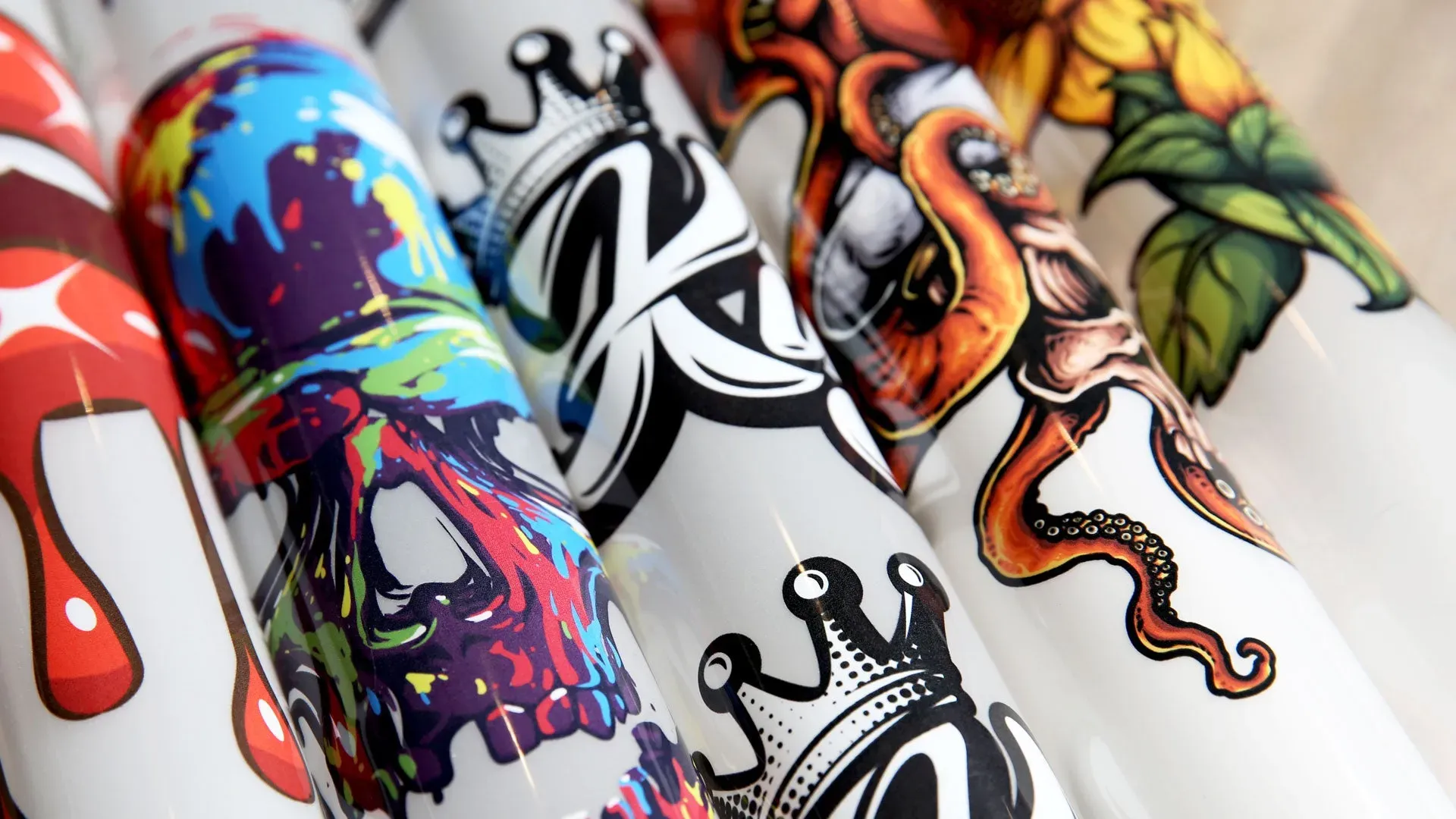
DTF transfers, or Direct-to-Film transfers, have become a game-changer in the world of textile printing, allowing designers to create stunning, high-quality graphics with ease. This innovative technique leverages specialized films to capture vibrant designs, which can be heat-pressed onto an array of fabric types. As more designers explore DTF printing, it’s essential to understand the best practices for ensuring successful DTF transfers. From choosing the right materials to optimizing printer settings, a few vital tips can significantly impact the output quality. In this guide, we'll delve into ten must-know strategies that can enhance your DTF printing efforts and help you achieve jaw-dropping results that stand out in today’s competitive market.
In the realm of textile decoration, Direct-to-Film technology represents a revolutionary approach for transferring designs onto fabrics. Often referred to as DTF printing, this method involves printing images onto special films that are then applied using heat, creating durable and vivid prints. As many designers delve into this technique, understanding how to successfully execute these fabric transfers becomes crucial. By exploring various strategies and techniques, including optimal usage of tools and adherence to guidelines, one can achieve remarkable effects with DTF applications. This discussion will outline effective practices and key insights to facilitate the mastery of this innovative printing phenomenon.
The Importance of Quality Films and Inks in DTF Transfers
When embarking on the DTF transfer process, the selection of quality films and inks is paramount. Using high-quality DTF transfer films ensures that the ink adheres properly, resulting in vibrant and resilient prints. Not all films are created equal, and choosing a reputable brand can significantly influence the final outcome of your designs. In addition to films, the type of ink used also plays a crucial role. Water-based inks, specifically formulated for DTF printing, deliver not only brilliant colors but also durability that holds up through multiple washes.
Furthermore, understanding the compatibility between your printer and the chosen materials is essential for achieving optimal results. Quality films lend themselves to better prints that are more resistant to smudging and fading. Investing in dependable inks designed for DTF transfers ensures consistent colors and easy peeling post-application. As designers aim for professionalism and excellence in their projects, these foundational choices are critical for successful outcomes.
Optimizing Printer Settings for DTF Success
Achieving high-quality DTF transfers starts with meticulous attention to printer settings. Adjusting parameters such as temperature, print speed, and ink density can dramatically change the results of your prints. Each printer model may have unique settings that need to be calibrated depending on the materials being used, so it is essential to refer to the manufacturer’s guidelines for the best practices. Effective optimization can lead to sharper images and better color gradation, making a notable difference in the final print.
Additionally, testing different settings on scrap materials can help you discover the ideal parameters for your specific DTF films and inks. Success in DTF printing hinges on finding the balance among these settings to ensure they complement each other, allowing for a smooth operation and high-quality output. A well-optimized printer not only improves efficiency but also minimizes waste, making it a critical factor in a designer's workflow.
The Role of Pre-Treatment in DTF Transfers
Pre-treating fabrics before applying DTF transfers is a vital step that should not be overlooked. By applying a pre-treatment solution tailored to the fabric type—whether it's cotton, polyester, or a blend—designers can enhance the bond between the transfer and the material. This enhancement leads to more vibrant colors and a longer lasting print, as the pre-treatment creates an ideal surface for the transfer to adhere to.
Moreover, pre-treating is especially beneficial for fabrics that are prone to shrinking or wicking, as it helps secure the transfer against potential damages. The pre-treatment process can seem tedious, but it ultimately contributes to a professional final product that withstands the test of time. Therefore, incorporating effective pre-treatment methods into the DTF process not only improves quality but also elevates the designer's reputation.
Best Practices for Heat Press Usage in DTF Printing
The application of heat via a heat press is one of the most critical components of the DTF transfer process. Ensuring that the right temperature, time, and pressure settings are maintained is paramount for achieving a successful bond. Each type of fabric and transfer requires specific settings, which can usually be found in the manufacturer’s guidelines. Failure to adhere to these recommendations can result in poor adhesion and compromised designs.
Additionally, being mindful of the heat press's calibration and routine maintenance ensures consistent results. A well-maintained heat press not only provides uniform temperature distribution but also minimizes potential issues that could lead to subpar prints. Understanding the mechanics of heat press operation further enhances a designer's ability to deliver high-quality DTF transfers efficiently.
The Cooling and Peeling Process in DTF Transfers
The cooling and peeling process is as crucial as any step in DTF transfers. After the heat press application, allowing the prints to cool is essential before peeling off the film. This cooling period helps secure the transfer onto the fabric, reducing the likelihood of distortions and ensuring that the design adheres correctly. Rushing the peeling process can lead to incomplete transfers and dissatisfaction with the final output.
Furthermore, utilizing the right peeling technique can impact the overall quality of the print. For instance, a smooth, slow peeling motion is advisable to prevent any damage to the print. This attention to detail in the cooling and peeling phase not only helps maintain the integrity of the design but also enhances the longevity of the print, making it an essential part of the DTF transfer process.
Troubleshooting Common DTF Transfer Issues
Being prepared for troubleshooting is an essential part of mastering DTF transfers. Common issues such as ink smudging or inadequate adhesion can be frustrating; however, by keeping detailed records of successful print settings and approaches, designers can navigate these challenges more effectively. A proactive approach to documenting successes and failures helps build a resource for quick reference when issues arise.
Additionally, familiarizing oneself with troubleshooting techniques not only aids in resolving immediate concerns but also enhances overall proficiency in DTF printing. Understanding common problems allows designers to anticipate potential setbacks and adjust their workflow accordingly, ultimately leading to a smoother, more efficient production process. A designer's ability to troubleshoot is key to sustaining quality in their work.
Frequently Asked Questions
What are DTF transfers and how do they work?
DTF transfers, or Direct-to-Film transfers, involve printing designs onto a special film using specialized inks. These printed films are then transferred onto fabrics using a heat press, creating vibrant and durable prints ideal for textiles.
What are some best practices for DTF transfers?
Best practices for DTF transfers include using high-quality films and inks, optimizing printer settings, pre-treating fabrics, properly using a heat press, and allowing prints to cool before peeling. Following these tips can ensure successful DTF printing results.
How can I improve my DTF printing results?
To improve DTF printing results, focus on selecting quality films and inks, adjusting printer settings for optimal performance, pre-treating fabrics for better adhesion, and following manufacturer guidelines for heat application.
What should I know about pre-treating fabrics for DTF transfers?
Pre-treating fabrics enhances the adherence and vibrancy of DTF prints. Use a pre-treatment solution that matches your fabric type to improve bonding, leading to superior print quality and durability.
Can you provide tips for troubleshooting DTF printing issues?
To troubleshoot DTF printing issues, keep detailed records of settings that work well, conduct test runs with new materials, and familiarize yourself with common problems like ink smudging and poor adhesion. These practices help streamline the resolution process.
Where can I learn more about DTF printing techniques?
To learn more about DTF printing techniques, consider attending workshops, online courses, and industry webinars focused on DTF technology. Staying educated on advancements will enhance your skills and improve your DTF transfer quality.
| Tip Number | Key Point |
|---|---|
| 1 | Choose Quality Films and Inks for optimal results. |
| 2 | Optimize Printer Settings for best output. |
| 3 | Pre-Treat Fabrics to enhance print bonding. |
| 4 | Proper Heat Press Usage ensures good adhesion. |
| 5 | Cooling and Peeling after pressing prevents distortion. |
| 6 | Store Transfers Properly to avoid damage. |
| 7 | Conduct Test Runs to fine-tune settings. |
| 8 | Follow Manufacturer Instructions to avoid issues. |
| 9 | Be Prepared for Troubleshooting common issues. |
| 10 | Stay Educated about DTF advancements and techniques. |
Summary
DTF transfers have become an essential technique for designers wishing to enhance their textile printing capabilities. With these ten crucial tips, designers can master the art of DTF transfers, ensuring high-quality prints on various fabrics. From selecting the right materials to optimizing printing techniques, understanding and implementing these practices will lead to stunning results. By continually educating themselves on DTF advancements, designers can further elevate their work, resulting in vibrant and durable prints that stand out in a competitive market.