
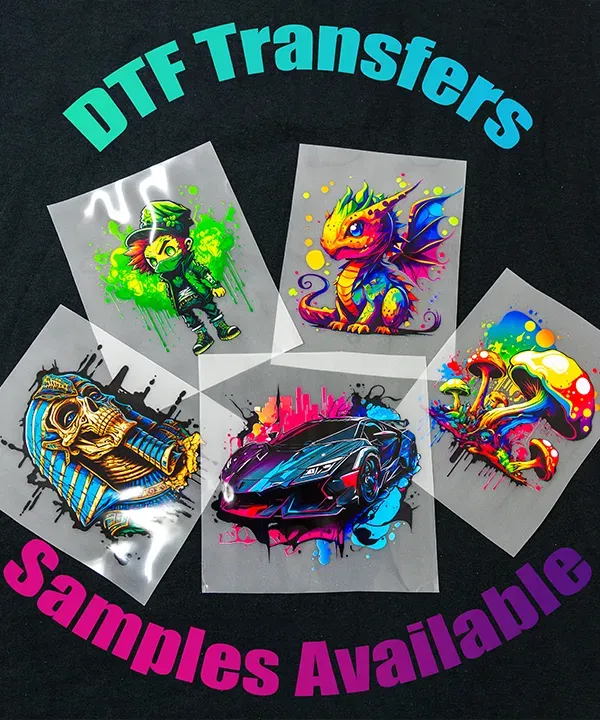
In the dynamic realm of custom apparel and textile design, DTF transfers have emerged as a revolutionary printing method that offers a plethora of advantages. Unlike traditional printing techniques, which can often be limited by color and material constraints, DTF (Direct-to-Film) transfers allow for vibrant, detailed designs to be transferred onto a variety of fabrics with remarkable ease. This innovation not only enhances the quality of prints but also streamlines the production process, making it particularly appealing for businesses looking to optimize costs without sacrificing quality. As we delve deeper into the world of DTF transfers, we will compare them to traditional screen printing, examining factors such as cost efficiency, durability, and design versatility. By understanding the unique benefits of DTF printing, you can make informed decisions about the best printing method for your specific needs.
Direct-to-Film printing, often considered a cutting-edge solution in the print industry, has rapidly gained traction among decorators and designers alike. This modern approach combines the precision of digital printing with the flexibility of various fabric applications, offering exceptional outcomes that stand out in the market. When engaging in screen printing versus DTF discussions, the emphasis often falls on the operational costs and efficiency associated with each method. As we explore DTF versus traditional techniques, nuances such as turnaround times, print longevity, and production volumes will highlight why many are choosing DTF as their preferred printing solution. Embracing these contemporary printing technologies can significantly elevate your product offerings in a competitive landscape.
Understanding DTF Transfers and Their Appeal
Direct-to-Film (DTF) transfers have emerged as a revolutionary method in the printing industry, providing a compelling alternative to traditional printing techniques. This innovative approach involves printing designs onto a special film that is then heat-transferred onto fabric. DTF's appeal lies in its ability to produce vibrant, high-quality prints that capture intricate details and breathtaking gradients. This technique caters well to various fabric types, making it a preferred choice for fashion designers and custom apparel makers.
Moreover, DTF transfers are becoming increasingly popular due to their cost-effectiveness in short runs and custom orders. Unlike traditional screen printing, which often requires extensive setup for every design, DTF can quickly adapt to create single or several pieces without prohibitive costs. This has made DTF transfers an attractive option for small businesses and those looking to offer personalized items without overspending.
Cost of DTF Transfers vs. Traditional Screen Printing
When exploring the cost implications of DTF transfers and traditional screen printing, it’s essential to consider the scale of production. DTF transfers are particularly beneficial for small to medium-sized batches, as they require less initial investment in setup and can be economically produced on-demand. This is ideal for custom orders or limited edition pieces, as the per-unit cost remains manageable.
In contrast, traditional screen printing may offer a lower cost per unit for large orders, thanks to its efficiency in bulk production. However, the upfront costs can be substantially higher, as each color requires a separate screen. Thus, for projects needing intricate designs with multiple colors in small quantities, DTF proves to be a more affordable alternative.
Performance: DTF Transfers vs. Traditional Printing
In terms of performance, DTF transfers are known for their striking visual results. The printing process allows for an array of colors and gradients to be reproduced with precision, which can be a significant advantage for designs that require detail. Compared to traditional screen printing, DTF can handle complex images better and can seamlessly print on various fabrics without compromising quality. This versatility is a game changer for designers aiming for innovation in their product offerings.
On the other hand, traditional screen printing boasts exceptional durability, often outperforming DTF in terms of wear resistance, especially with large orders. The thicker ink application used in screen printing creates a robust layer that can withstand multiple washes while maintaining its vibrant colors. This means that for high-wear items such as uniforms or apparel intended for prolonged use, traditional screen printing might still be the best printing method.
Environmental Considerations in DTF and Screen Printing
As businesses look to minimize their environmental impact, choosing between DTF transfers and traditional screen printing raises important considerations. Traditional printing methods often utilize significant water and energy resources, which can lead to enhanced environmental concerns. Additionally, the screen printing process can generate more waste, particularly with the use of chemicals in inks and cleaning agents.
In comparison, DTF printing, while efficient, poses its own set of environmental challenges, particularly with the plastic films used in the transfer process. However, as the industry progresses, both DTF and traditional printing methods are undergoing innovations aimed at reducing their ecological footprint. This includes the development of eco-friendly inks and sustainable production practices that can benefit consumers and the environment alike.
Choosing the Right Printing Method for Your Project
Deciding whether to opt for DTF transfers or traditional printing involves assessing specific project requirements. For businesses focusing on high-volume production, traditional screen printing generally offers a more cost-effective solution due to its efficiency in large runs. The high setup costs may be offset by the reduced cost per unit for bulk orders, making it attractive for those needing uniformity across multiple items.
Conversely, if the project involves unique designs or smaller production runs, DTF transfers could be more advantageous. This method enables creators to personalize designs and cater to specific customer requests without incurring high costs. Thus, understanding the scope of your project and its unique requirements is crucial in selecting the best printing method for optimal results.
Future Trends in DTF and Traditional Printing Techniques
The future of DTF transfers and traditional printing is poised for exciting developments as technology continues to advance. DTF printing, with its rapid market growth, is expected to embrace further innovations, continuously improving the quality and efficiency of the printing process. This includes advancements in ink formulation that enhance durability and sustainability, making DTF an increasingly compelling option for businesses. Such enhancements could define the future of apparel printing by pushing the boundaries of creativity and customization.
On the other hand, traditional screen printing is also likely to evolve as environmental consciousness grows among consumers and manufacturers. The industry is adapting by exploring eco-friendlier practices and materials, such as water-based inks and energy-efficient equipment. As both printing methodologies adapt to meet the changing demands of the market, businesses will need to stay informed to ensure they select the best printing method that aligns with their sustainability goals and customer expectations.
Frequently Asked Questions
What are DTF transfers and how do they differ from traditional printing?
DTF transfers, or Direct-to-Film transfers, use a modern printing technique that applies designs onto a special film for heat transfer onto fabrics. Unlike traditional screen printing, which requires stencils for each color and is often more labor-intensive, DTF allows for vibrant colors and intricate designs with faster turnaround times.
What are the key advantages of DTF printing over traditional screen printing?
DTF printing offers several advantages over traditional screen printing, including versatility with a variety of fabric types, the ability to reproduce detailed designs and gradients brilliantly, and cost-effectiveness for small runs. Additionally, DTF has a faster production time, making it ideal for on-demand printing.
How does the cost of DTF transfers compare to traditional printing methods?
The cost of DTF transfers can be more economical for small batch prints due to lower initial setup costs compared to traditional printing, which is typically more cost-effective for larger order quantities. Businesses should evaluate their production volume to determine which method will yield the best overall savings.
Are DTF transfers a better choice for intricate designs compared to traditional printing?
Yes, DTF transfers are often better for intricate designs as they excel in displaying vibrant colors and detailed graphics. Traditional screen printing may struggle with fine detail unless multiple screens are used, which increases setup time and costs.
What are the durability concerns associated with DTF transfers versus traditional printing?
While DTF transfers offer exceptional quality, their durability can vary based on the inks and application methods used. In contrast, traditional screen printing is recognized for its longevity and resistance to wear, making it a preferred choice for items subjected to frequent use.
What should I consider when choosing between DTF transfers and traditional screen printing?
When selecting between DTF transfers and traditional screen printing, consider factors such as the volume of your printing project, the complexity of your designs, the types of fabrics involved, and your budget. For smaller, detailed prints, DTF is ideal, whereas traditional printing may be better suited for larger orders.
| Aspect | DTF Transfers | Traditional Printing |
|---|---|---|
| Definition | Prints designs onto film, then applies with heat and pressure. | Uses stencils to apply ink through screens to fabric. |
| Advantages | Versatile for various fabrics; bold colors; cost-effective for small runs; faster turnaround. | Highly durable designs; cost-effective for large orders; diverse ink options. |
| Market Trends | Rapid growth due to demand for personalization. | Stable demand, especially for bulk orders. |
| Eco-Friendly Considerations | Concerns about plastic film waste; innovations underway to improve sustainability. | Higher water/energy use; some innovations to reduce impact. |
| Best Use Cases | Ideal for small, custom projects with intricate designs. | Best for high-volume production with simpler designs. |
Summary
DTF transfers have emerged as a revolutionary option in the custom apparel printing sector, challenging traditional printing methods with their unique advantages. This modern technique not only allows for vibrant and detailed prints on various fabrics but also offers a cost-effective solution for small batch productions. As both DTF and traditional printing evolve, understanding their distinct features enables businesses and individuals to make informed choices tailored to their specific needs, ensuring the best outcomes for any project.