
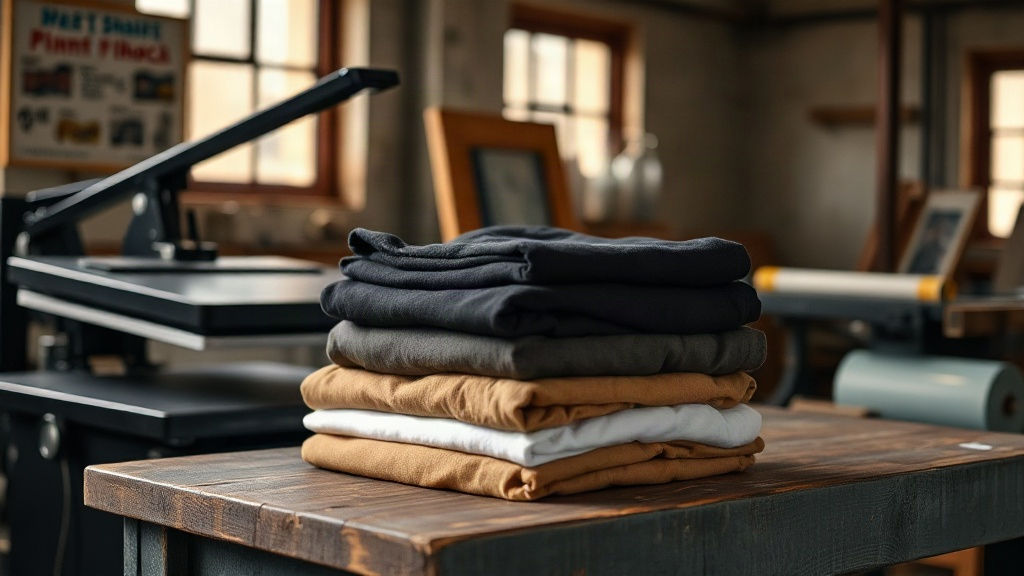
Walk into almost any print shop on the West Coast and you will eventually spot a stack of plain tees with a small tag that reads Shaka Wear. No loud logo, no celebrity endorsement, no flashy campaign. Just cotton, cut a little heavier than most, priced so that a small print run does not eat your entire margin. That quiet presence is exactly why the brand keeps showing up in conversations among screen printers, DTF sellers and people who simply want a shirt that survives more than one summer.
If you have been searching for blanks and keep landing on the same handful of big names, it is worth understanding what Shaka Wear actually offers, where it fits, and where it does not. This guide covers the fabric, the cuts, the real-world behavior after washing, and how the shirts perform under heat-pressed transfers, which matters a great deal if you sell printed apparel.
What Shaka Wear Actually Is
The brand started in Los Angeles and grew out of the streetwear and wholesale blank market rather than the traditional sportswear world. That origin explains a lot. Los Angeles has long been the center of the US blank apparel trade, and the companies that survive there tend to do so because they understand two things: fabric weight and price consistency.
Shaka Wear built its catalog around heavyweight cotton tees, mostly in the 6 to 7 ounce range, along with hoodies, crewnecks and a handful of specialty cuts. The lineup is intentionally narrow compared to legacy brands that carry hundreds of SKUs. A narrow catalog usually means fewer surprises, because the mill relationships and dye lots stay more consistent from order to order.
You will not find much marketing language about performance fabrics or moisture management. The pitch is simpler: a thick, durable, cotton-heavy shirt at a wholesale-friendly price.
Fabric Weight and Why It Matters More Than Anything Else
When people say a blank feels cheap, they are usually reacting to weight and hand feel. A 4.5 ounce tee can be perfectly good, but it drapes thin, shows outlines underneath, and tends to lose shape faster. A 6.5 ounce tee holds its structure, hangs with more presence, and hides a surprising amount of wear.
Most Shaka Wear tees land in the heavyweight category. In practice this shows up in three ways:
- The collar keeps its shape through repeated washing, largely because the ribbing is denser and the shoulder taping is stitched rather than glued.
- The body does not go translucent in daylight, which matters for anyone printing light colors on dark garments.
- Prints sit on a stable surface, so a heat-pressed transfer is less likely to distort the fabric around it.
Heavier cotton is not automatically better for every use case. In a hot climate, a 7 ounce tee can feel like a lot. If you are printing for summer festivals in humid regions, a midweight option will sell better than the heaviest one on the shelf.
Fit, Sizing and the Shrink Question
Cotton shrinks. Anyone who tells you otherwise is selling something. The honest question is how much, and whether the shrinkage is predictable.
Unwashed cotton tees typically lose somewhere in the range of 3 to 5 percent of their length after a hot wash and hot dry. Shaka Wear garments are generally pre-shrunk to some degree, but the brand does not guarantee zero shrinkage, and no cotton brand realistically can. What you can do is control the variables.
Practical washing guidance for blanks you plan to print
- Wash cold and tumble dry low. This keeps shrinkage to a minimum and protects any print on the surface.
- Wash the garment once before printing if you are working with a customer who is picky about final dimensions. This lets the fabric settle before you commit to a placement.
- Avoid fabric softener on printed shirts. Softener coats fibers and can degrade the bond between transfer film and cotton over time.
- Turn printed garments inside out before washing. It is a small habit with a measurable effect on print longevity.
On sizing, most Shaka Wear tees run true to standard US unisex sizing, though some of the heavier boxy cuts feel roomier through the chest and shoulder. If you sell online, publish a measurement chart with chest width and body length in inches rather than relying on S, M, L labels alone. Return rates drop noticeably when buyers can measure a shirt they already own and compare.
How Shaka Wear Blanks Perform with DTF Transfers
This is where the conversation gets practical for anyone running a transfer business. DTF printing has changed the economics of small-batch apparel, but it also exposes weaknesses in cheap blanks. A thin, loosely woven cotton lets adhesive and powder sit unevenly, and the print can look grainy or lift at the edges after a few washes.
Heavier, tighter cotton gives the transfer a more consistent surface. The steps that matter most are the same regardless of brand:
- Pre-press the garment for a few seconds to drive out moisture. Damp fabric is the single most common cause of a failed transfer.
- Use consistent pressure. Too little and the film does not fully release; too much and you flatten the weave and create a shiny patch.
- Peel at the right temperature. Cold peel and hot peel films behave differently, so test a spare shirt before running a full order.
- Post-press briefly with a cover sheet to smooth the print and improve wash durability.
Because Shaka Wear tees tend to be dense, they tolerate the pressing process well. The tradeoff is that heat takes slightly longer to penetrate a heavier garment, so a press setting that works on a 5 ounce tee may need a few extra seconds here.
Where the Brand Fits in a Print Business
There is no single best blank. There is only the right blank for a given job. A useful way to think about it:
- For premium retail pieces where hand feel and drape are the selling point, a heavyweight cotton tee is a strong choice.
- For high-volume promotional work where cost per unit dominates, a lighter blank may win the bid.
- For streetwear and skate-adjacent brands, the boxy, heavier silhouette matches what customers already expect.
The advantage of a narrow catalog is that you can stock two or three colors deeply instead of twenty colors shallowly. Deep stock means faster fulfillment, and faster fulfillment is what keeps repeat customers coming back.
Color consistency across reorders
Dye lots shift. This is true of every cotton brand, and it becomes visible when you print a reorder six months after the original run. If color accuracy is critical, buy the full quantity you need in one order and store it properly. Keep garments out of direct sunlight and away from damp walls, and they will hold up in storage for a long time.
Common Questions About Shaka Wear
Is Shaka Wear good quality compared to major blank brands?
In the heavyweight cotton category, yes. The fabric weight, stitched shoulder taping and collar construction compare well against other mid-tier and premium blanks. Where it differs is catalog breadth and distribution, not garment construction.
Do Shaka Wear shirts shrink a lot after washing?
Expect modest shrinkage, roughly in line with other cotton tees. Cold washing and low-heat drying keep it minimal. If exact final measurements matter, wash and dry one test shirt before calculating your print placement.
Can you use DTF transfers on Shaka Wear tees?
Yes, and the heavier fabric tends to work in your favor. Pre-press to remove moisture, keep pressure consistent, and follow the film manufacturer's peel temperature. Add a short post-press with a cover sheet for better wash resistance.
What is the best way to choose a size when ordering online?
Measure a shirt you already like, compare chest width and body length against the published size chart, and order from there. Do not rely on the letter alone, since unisex sizing varies between brands by an inch or more.
Are heavyweight tees worth the higher cost?
For printed apparel that customers will wear repeatedly, usually yes. The shirt holds its shape, the print surface stays stable, and the perceived value is higher. For one-off giveaways where cost is the only metric, a lighter blank may be the smarter call.
Final Thoughts on Choosing Blanks
The blank is the foundation of everything you print. A great design on a collapsing shirt still looks like a cheap product, and a simple design on a solid heavyweight tee looks intentional. Shaka Wear earns its place in that second category by doing the unglamorous things well: consistent cotton weight, sturdy collars, and pricing that leaves room for a print business to actually make money. Test one shirt, wash it a few times, and judge for yourself. That is the only review that counts.