
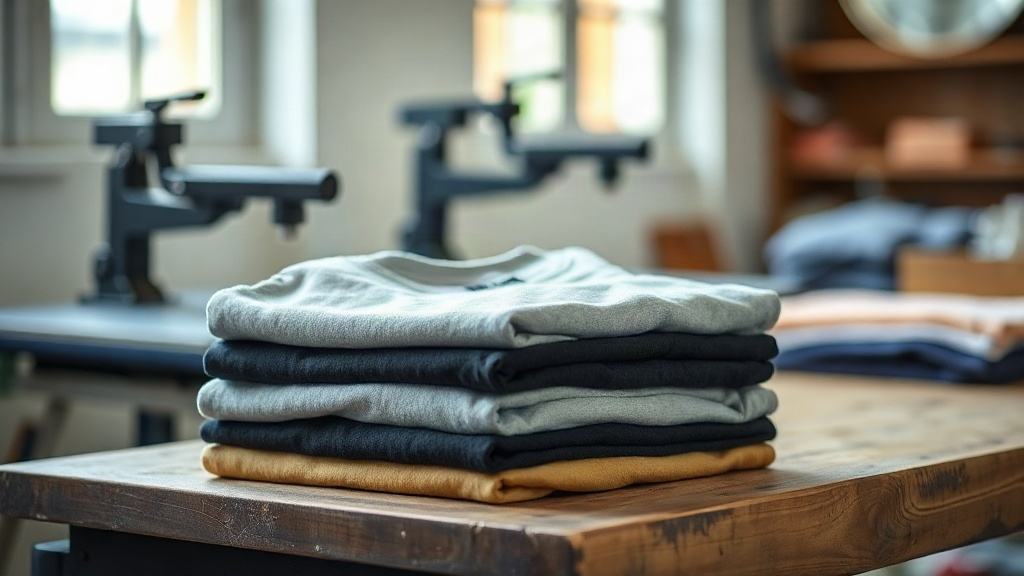
Walk into almost any print shop in Los Angeles and you will eventually spot a stack of shaka wear tees sitting near the heat press. Not because they are trendy, and not because a marketing team pushed them there, but because decorators keep reordering them. That quiet, repeated reorder is usually the most honest signal a blank can give you. This guide breaks down what Shaka Wear actually is, which weights and fits make sense for which jobs, and the small details that decide whether your finished product feels premium or cheap.
What Shaka Wear Actually Is
Shaka Wear is a Los Angeles based blank apparel brand, and its identity is built around heavyweight cotton basics. The company grew out of the streetwear and wholesale print community rather than the fashion runway, which shapes everything about how the garments are cut and finished. You are not buying a designed, branded look. You are buying a canvas.
That distinction matters. A blank is judged on things a finished retail tee never has to worry about: how flat the surface sits under a screen, how much the body twists after three washes, whether the collar survives a tumble dryer, and whether the color stays consistent between the batch you bought in March and the one you reorder in September.
Fabric Weights and What They Are For
The most common confusion with this brand is weight. People see numbers like 5.5 oz, 6.5 oz, and 7.5 oz and assume heavier is simply better. That is only half true. Heavier fabric holds a print beautifully and drapes with structure, but it also runs warmer and takes longer to break in.
- Around 5.5 oz: A lighter, softer hand. Good for warm-weather retail, promotional runs, and anyone who wants a tee that feels broken in from day one.
- Around 6.5 oz: The middle ground most decorators default to. Enough body to look substantial on a hanger, still comfortable for everyday wear.
- Around 7.5 oz: Genuinely heavy. This is the weight that gives oversized streetwear silhouettes their shape and keeps them from collapsing at the shoulders.
If you are printing a single-color logo for a local business, a mid-weight option will serve you better than the heaviest one. If you are building a boxy, structured streetwear drop, the heavy end of the range is where the look actually lives.
Fit, Cut, and the Oversized Question
Fit is where most buyers get surprised. Shaka Wear leans toward a roomier, boxier cut compared to standard American retail tees. Shoulders sit wider, sleeves are a touch longer, and the body does not taper aggressively at the waist.
This is a feature, not a flaw, but it changes how you plan a print. A left-chest logo on a boxy tee can look lost because the chest panel is wide. Full-front prints, back prints, and vertical designs tend to sit better on these garments. If your artwork was designed for a slim-fit shirt, expect to rescale it.
Why the Boxy Cut Sells
Oversized silhouettes have stayed relevant in streetwear far longer than most trend cycles predict, and the reason is practical. A boxy tee hides the awkward middle ground between fitted and baggy. It photographs well, it layers under jackets without bunching, and it reads as intentional rather than sloppy. A heavyweight blank with a wide body does most of that work before you ever touch a screen.
Shrinkage and Care: What to Expect
Cotton shrinks. Anyone who promises otherwise is selling you something synthetic. The realistic question is how much, and whether it happens before or after you print.
Most heavyweight cotton blanks in this category will lose a small amount of length after the first hot wash and dry, typically in the low single digits as a percentage. Width loss is usually smaller because the body is already cut generously. In practice, this means a size that feels slightly loose out of the bag often ends up fitting correctly after two or three laundry cycles.
Two habits keep results predictable:
- Wash and dry one sample garment from every new batch before you commit to a full print run. It costs you one shirt and saves a customer complaint.
- Tell your buyers to wash cold and dry low. You cannot control what they do, but a hang tag with that line on it reduces returns noticeably.
Printing on Heavyweight Blanks
Heavy cotton behaves differently under a press than a light tri-blend, and a few adjustments make a real difference.
First, plastisol sits on top of heavy cotton with excellent opacity, which is why bold, saturated designs look so clean on these shirts. Water-based inks sink in and give a softer, vintage feel, but they need more care with cure temperature on thicker fabric. Second, the thicker the garment, the more likely you are to trap moisture during curing, so give the shirt a moment between the press and the fold.
DTF transfers are another strong match here. The heavier weave provides a stable surface, and the wide chest area gives you room for larger artwork without crowding seams. If you are running transfers on these blanks, press pressure matters more than you might expect. Too little pressure and the edges lift after a few washes; too much and you flatten the fabric texture around the design.
Color Consistency Across Batches
If you sell the same design for months, order your blanks in one larger batch when you can. Dye lots shift slightly between production runs, and a customer who buys a black tee in January and another in June may notice a difference in tone, even if the design is identical. Buying deep on your core colors removes that problem entirely.
Who Should Buy Shaka Wear
This brand makes the most sense for a specific kind of buyer. Print shops that need a dependable, repeatable blank. Small clothing brands building a first collection without a huge fabric budget. Anyone producing workwear-adjacent or streetwear-adjacent apparel where structure and weight matter more than softness.
It makes less sense if you are chasing an ultra-soft, lightweight, retail-polished feel. That is a different product category, and forcing a heavyweight blank into that role will disappoint you.
Frequently Asked Questions
Is Shaka Wear true to size?
It generally runs roomier than standard retail tees, with wider shoulders and a longer body. Many buyers who normally wear a large find a medium comfortable in these garments, especially in the heavier weights. Ordering one sample in two sizes is the fastest way to settle it for your own body and your own customers.
Does Shaka Wear shrink a lot after washing?
Expect a modest amount of shrinkage on the first hot wash and dry, mostly in length. Cold washing and low-heat drying keeps it minimal. Pre-washing a sample before a production run is the safest habit if exact sizing matters for your design placement.
Can you print DTF transfers on heavyweight cotton tees?
Yes, and heavy cotton is one of the better surfaces for it. The stable, thick weave holds transfer adhesive well and the wide chest area accommodates larger artwork. Use medium pressure, follow the transfer supplier's temperature and time settings, and let the garment cool before stacking.
Is Shaka Wear good for starting a clothing brand?
It is a practical starting point because the cost per unit stays reasonable while the finished product still feels substantial. The main tradeoff is the boxy fit, which you should design around rather than fight. Build your artwork for a wide chest panel and the results will look intentional.
How do I keep colors consistent when reordering blanks?
Buy your core colors in larger quantities up front and store them properly, away from direct sunlight and moisture. When that is not possible, order a small sample from the new batch and compare it against your previous stock before printing a full run.