
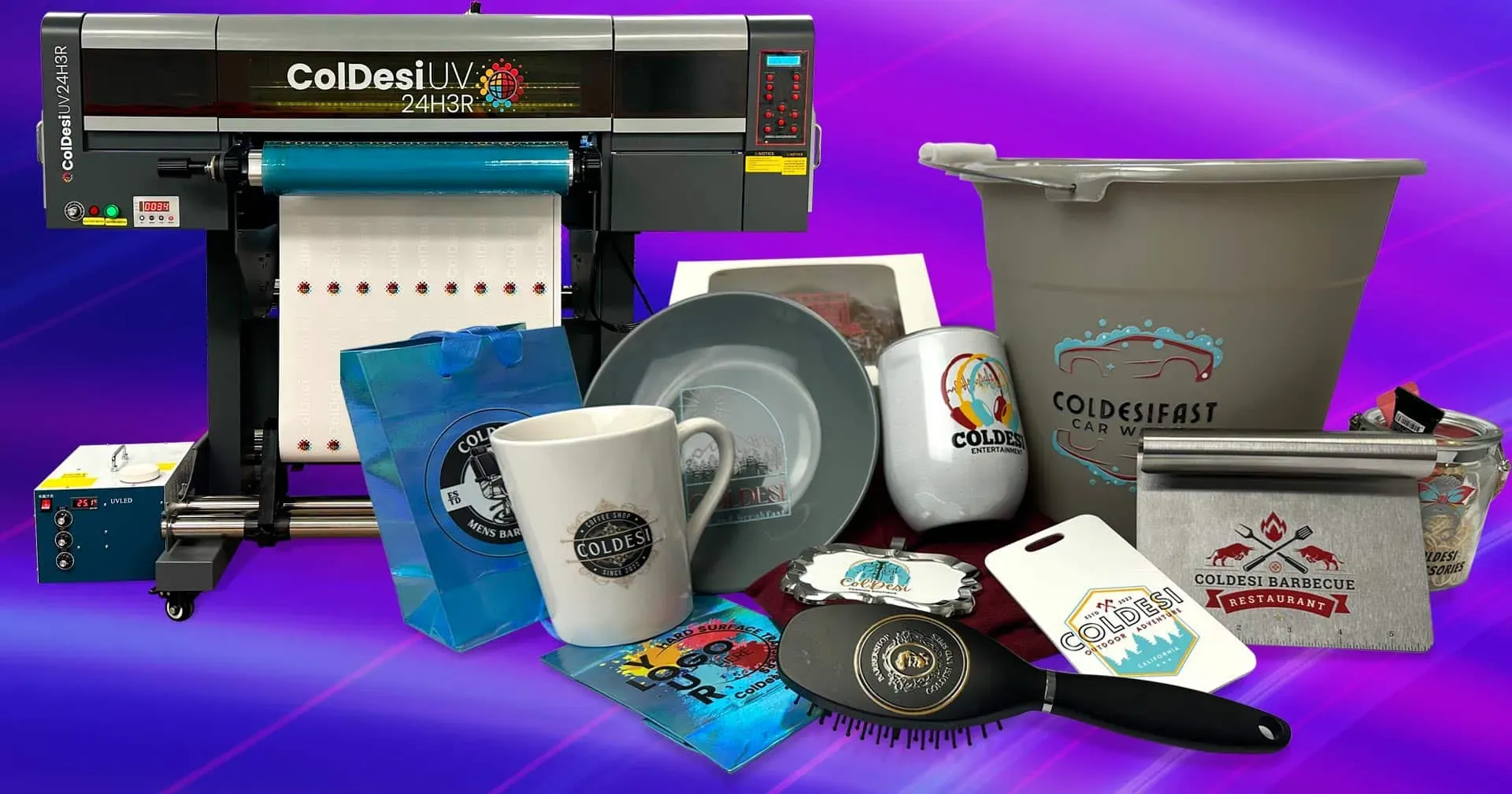
UV DTF printing, or UV Direct to Film printing, represents a cutting-edge innovation in the realm of printing technology, offering remarkable versatility and efficiency. This modern technique harnesses the power of ultraviolet light to cure specially formulated inks as they are printed onto various substrates, making it a superior choice compared to traditional printing methods like screen printing and digital printing. As businesses transition from older techniques to embrace UV printing technology, they can tap into a wider range of applications, producing vibrant and durable designs that meet contemporary market demands. This article explores a detailed printing comparison between UV DTF and its traditional counterparts, emphasizing the unique benefits and potential drawbacks of adopting this advanced method in the production process. Understanding these factors is crucial for businesses eager to elevate their branding and product offerings.
Also referred to as UV Direct to Film technology, this innovative printing process utilizes ultraviolet radiation to instantly cure inks on flexible film surfaces. As industries seek efficiency and quality, alternatives such as digital printing and traditional screen printing methods often find themselves at a crossroads in service delivery. By integrating a UV-based approach, businesses can explore creative possibilities across diverse materials while ensuring durability and rapid production timelines. This exploration of printing methodologies highlights the emerging trend of UV DTF printing and its significant advantages over more established printing techniques, showcasing why this method is garnering attention for its capacity to meet evolving commercial needs.
Understanding UV DTF Printing: The Future of Customization
UV Direct to Film (DTF) printing represents a significant innovation in the printing landscape. Utilizing ultraviolet light to cure inks as they are printed onto a film, this technology offers remarkable advantages over traditional techniques. The ability to print on a wide variety of substrates—from textiles to plastics and metals—makes UV DTF an incredibly versatile option for businesses looking to expand their product offerings. Customization is a key selling point, allowing for intricate designs and high-quality prints that cater to specific demands.
Moreover, the rapid curing process of UV DTF printing translates to improved efficiency. Unlike traditional printing methods that often require extended drying times, UV DTF prints are ready almost immediately. This quick turnaround is especially beneficial in a market where consumer preferences change rapidly, enabling businesses to remain agile and responsive to shifting demands. As the technology continues to evolve, we can expect even more enhanced capabilities that will redefine customization in branding and product design.
Comparing UV DTF with Traditional Printing Methods
When comparing UV DTF printing to traditional methods like screen printing and digital printing, several distinct advantages and disadvantages come to light. Traditional printing methods, while well-established, often come with limitations in terms of substrate compatibility and production speed. For example, screen printing, though admired for its vibrancy, is not as versatile when it comes to the variety of materials it can accommodate. Conversely, UV DTF printing seamlessly adapts to different substrates, making it an invaluable choice for businesses that require flexibility.
Additionally, the quality of UV DTF prints can outperform traditional options in terms of durability. The prints are resistant to scratches, fading, and peeling, which is particularly advantageous for products that are frequently used or displayed in outdoor conditions. However, it is essential to note that while traditional methods still dominate in terms of vibrant color reproduction—especially for intricate designs—UV DTF technology is catching up as manufacturers continue to innovate and improve color accuracy.
Environmental Impact of UV DTF vs. Traditional Printing Techniques
The environmental considerations surrounding printing technology are becoming increasingly important in today's marketplace. UV DTF printing typically involves inks that contain fewer volatile organic compounds (VOCs) compared to those used in traditional printing methods. This difference is significant for businesses aiming to improve their sustainability practices and reduce their carbon footprint. The use of lower VOC inks helps mitigate harmful emissions during the printing process, aligning with the growing consumer demand for eco-friendly products.
On the other hand, traditional printing processes can sometimes involve chemicals that pose greater risks to both human health and the environment. Techniques such as screen printing often rely on solvent-based inks which can be environmentally detrimental. However, advances in sustainable printing practices and materials within the traditional printing domain are helping to close this gap. Ultimately, businesses must weigh the associated environmental impacts of their chosen printing technology as part of their overall operational strategy.
Cost Considerations in UV DTF vs. Traditional Printing
When evaluating the cost implications of UV DTF printing, it is crucial to take into account both initial investment and long-term operational expenses. The upfront costs of UV DTF printers are often higher than those of traditional methods, such as screen printing. For small businesses or startups with limited budgets, this initial expense can be a significant barrier to entry. However, it’s important to consider the cost-saving potential over time due to UV DTF's efficiency and reduced material waste.
In contrast, traditional printing methods can be more affordable in the short term, especially when producing large quantities. With established processes that optimize bulk production, businesses can achieve lower per-unit costs. Nonetheless, the time and labor involved in setup and execution can drive costs up, particularly if additional setup or cleaning is required between jobs. As such, companies must carefully evaluate their printing needs and volume requirements when deciding between UV DTF and traditional methods.
Technological Advancements in UV DTF Printing
Advancements in UV DTF printing technology have led to enhanced print quality and speed, positioning it as a frontrunner in modern printing solutions. Innovations in ink formulations allow for more accurate color reproduction and better adherence to a variety of substrates. The ability to print high-resolution images with fine detail makes UV DTF a promising option for creating products that stand out in a competitive market, particularly in the fashion and promotional items sector.
Furthermore, ongoing improvements in curing technology mean that UV DTF printers are becoming even faster. This capability dramatically reduces the time from print to finish, streamlining production workflows. Businesses utilizing these cutting-edge machines can expect to deliver products more quickly to their customers, fostering greater customer satisfaction and loyalty. As manufacturers continue to invest in R&D, we can anticipate continuous enhancements within this space—making future UV DTF printing solutions even more effective and desirable.
The Role of UV DTF in Niche Markets and Customization
UV DTF printing’s versatility makes it particularly valuable in niche markets that require custom products. Industries such as fashion, personalized gifts, and promotional merchandise greatly benefit from the ability to produce short-run orders without compromising on quality. This capability empowers businesses to experiment with unique designs and cater to specific audience preferences, increasing their competitiveness in the marketplace.
Additionally, the growing trend of customization in customer products has heightened demand for solutions like UV DTF printing. Companies seeking to differentiate themselves often turn to this technology for its ability to support vibrant designs that reflect their brand’s identity. As consumer preferences shift towards more personalized experiences, UV DTF printing stands out as a flexible solution for meeting these demands, making it an essential consideration for companies innovative enough to leverage its potential.
Frequently Asked Questions
What is UV DTF printing and how does it compare to traditional printing methods?
UV DTF printing, which stands for UV Direct to Film printing, employs ultraviolet light to cure ink on various surfaces, including textiles and metals. Compared to traditional printing methods such as screen printing and digital printing, UV DTF offers greater versatility and durability, making it suitable for custom products. However, traditional methods may provide better color vibrancy for bulk orders.
What are the primary advantages of using UV DTF printing over traditional printing methods?
The primary advantages of UV DTF printing include its ability to print on a wide range of materials, instant curing of prints, and greater durability against wear and tear. In contrast, traditional printing methods often take longer and may be less environmentally friendly due to higher VOC emissions.
Are there any disadvantages to UV DTF printing when compared to traditional printing techniques?
Yes, UV DTF printing can have higher initial costs for equipment and may offer a more limited color range compared to traditional techniques like screen printing, which is known for its rich color capabilities.
How does UV DTF printing enhance environmental sustainability compared to traditional printing methods?
UV DTF printing tends to utilize inks with fewer volatile organic compounds (VOCs), reducing harmful emissions into the environment. This makes UV DTF a more sustainable choice compared to some traditional printing methods, which may not prioritize eco-friendly practices.
In what scenarios is traditional printing preferred over UV DTF printing?
Traditional printing methods are often preferred for large volume runs due to their cost efficiency, especially in screen printing where the cost per unit decreases with increased production. Additionally, traditional printing can achieve superior color vibrancy, making it ideal for graphic-heavy designs.
How quickly can UV DTF prints be completed in comparison to traditional printing methods?
UV DTF printing features instantaneous curing technology, allowing for significantly faster turnaround times compared to traditional methods, which often require drying phases. This quick production capability is beneficial for businesses needing to fulfill urgent orders.
| Key Points | UV DTF Printing | Traditional Printing Methods |
|---|---|---|
| Overview and Technology | Uses UV light to cure prints on various materials, offering versatility and customization. | Consists of long-established techniques like screen printing, offset, and digital printing. |
| Advantages | 1. Versatile across materials. 2. Durable against wear. 3. Environmentally friendly with lower VOCs. 4. Instant curing improves turnaround time. | 1. Established processes for bulk production. 2. Superior color vibrancy. 3. Lower per-unit cost in large runs. |
| Disadvantages | 1. Higher initial costs. 2. Limited color range compared to traditional inks. | 1. Less versatility with materials. 2. Longer setup times which can hinder responsiveness to market changes. |
Summary
UV DTF printing represents an innovative advancement in the field of printing technology, offering remarkable versatility and durability that cater to a wide range of printing needs. As businesses strive for efficiency and quality, understanding the nuances of UV DTF printing in contrast to traditional printing methods becomes essential. While UV DTF printing shines in speed and environmental considerations, traditional methods hold their ground with established processes and vibrant color output. Therefore, choosing between these methods will depend significantly on a business's specific needs and production goals, ensuring a competitive edge in a dynamic market.