
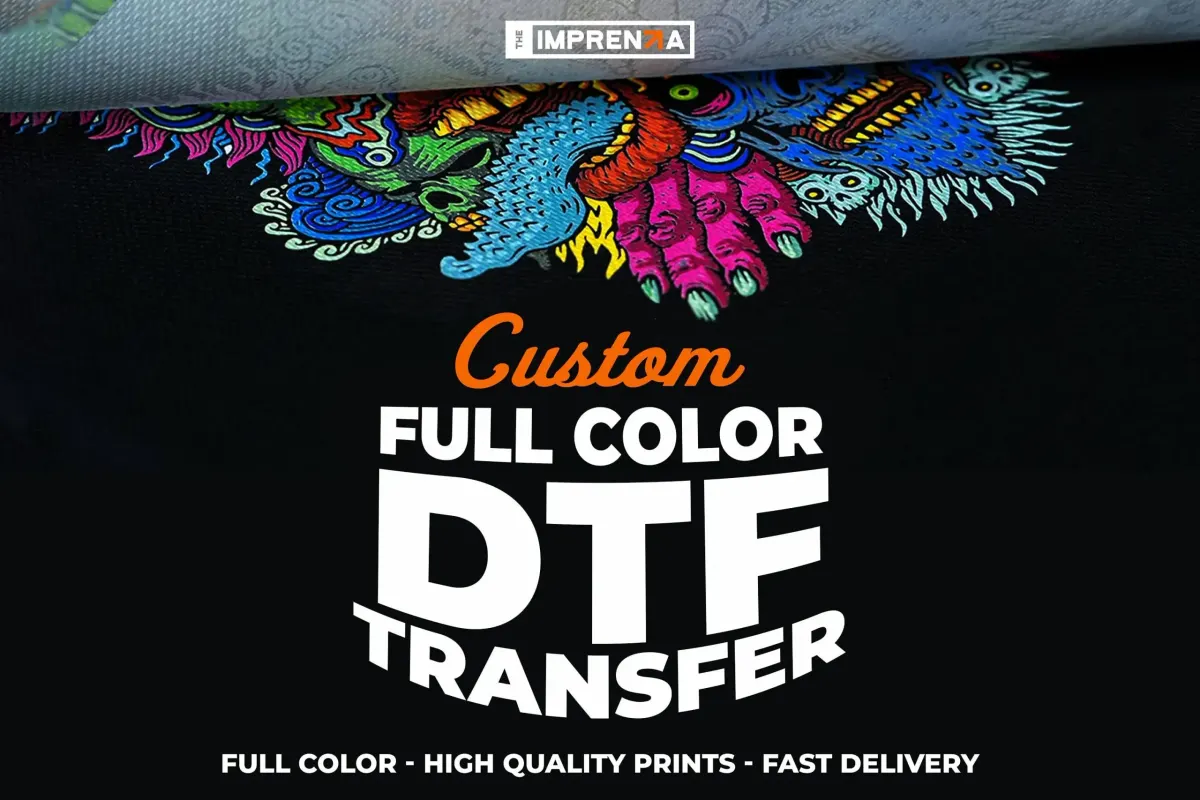
DTF transfers, or Direct-to-Film transfers, represent a groundbreaking advancement in garment printing technology, offering a modern alternative to the traditional methods of screen printing, DTG printing, and heat transfer vinyl (HTV). This innovative process enables the creation of vibrant, high-quality prints that can be applied to a diverse range of fabrics, making it an increasingly popular choice among apparel decorators. With its cost-effective and versatile nature, DTF transfers are rapidly gaining traction, particularly for small batch runs and custom designs. As we delve into the nuances of this printing technique, it becomes essential to compare DTF with other printing methods to understand its advantages and potential drawbacks. In doing so, businesses can make more informed decisions about which printing method aligns best with their needs and creative aspirations.
Exploring garment printing technologies reveals a variety of methods, including Direct-to-Film (DTF) printing, which is reshaping how designs are transferred onto fabric. Often discussed in relation to screen printing, DTG (Direct-to-Garment) printing, and heat transfer vinyl, DTF offers unique benefits that cater to the demands of modern custom printing. Each printing method brings its own set of advantages and limitations, making it crucial for businesses and designers to comprehend these differences when selecting the best technique. The rise of DTF as a viable option for garment decoration highlights the continuous evolution of printing technologies, offering solutions that blend efficiency with quality. Therefore, understanding the intricacies of DTF compared to its counterparts can empower users to enhance their printing capabilities.
Introduction to DTF Transfers: A Modern Printing Solution
DTF transfers, or Direct-to-Film transfers, have revolutionized the way designs are printed onto garments. This modern approach stands out from traditional methods by utilizing a film coated with special inks that are applied using a heat press. Unlike screen printing, which requires intricate setups, or DTG printing that often demands lengthy curing times, DTF transfers provide a quicker and more adaptable process for printing a wide array of fabrics. With their colorful prints and detailed outputs, DTF transfers have become a favored choice for both businesses and individual creators.
The unique aspect of DTF transfers involves the use of powder adhesives that secure the printed film to the garment, allowing for vibrant designs that hold up to washing and wear. This innovation has opened doors for small businesses and custom apparel makers who need flexible production options without sacrificing quality. In this competitive market, understanding the benefits and processes associated with DTF transfers can empower businesses to make informed choices about their garment printing technologies.
Comparing DTF Transfers with Screen Printing
Screen printing has long been recognized as a reliable method for producing high volumes of apparel designs. Its strength lies in its cost-effectiveness when dealing with bulk orders, along with the enduring quality of its prints. However, it has its limitations, particularly with intricate designs and a diverse fabric range, where DTF printing comes in as a suitable alternative. Unlike screen printing, which is largely manual and labor-intensive, DTF transfers offer a more simplified and less equipment-heavy process, greatly reducing setup time.
Additionally, while screen printing provides durability, DTF ensures high-quality prints that don’t fade easily and are compatible with various materials, including cotton blends and polyester. This versatility positions DTF as an advantageous choice for businesses specializing in custom-order runs who want to appeal to a broader audience without being constrained by the limitations of traditional screen printing.
DTF vs. Direct-to-Garment (DTG) Printing
DTG printing excels in delivering detailed, multi-colored prints directly onto garments, making it an attractive option for complex designs. Unlike DTF, which involves film and adhesive powders, DTG delivers designs by directly applying ink onto the fabric. While DTG offers a seamless integration for creative designs, it comes with higher ink costs and often slower production rates when handling larger orders.
In contrast, DTF transfers enable faster processing and are generally more cost-effective for medium-sized production runs. The ability to print on a variety of surfaces without the need for extensive setup makes DTF a more agile solution in rapidly changing fashion trends or custom apparel needs. Therefore, when considering versatility and cost, DTF proves to be a strong contender against DTG printing.
Heat Transfer Vinyl (HTV) Compared to DTF Transfers
Heat Transfer Vinyl, or HTV, has been popular among small-scale crafters and businesses for its ease of use and low startup costs. This method involves cutting vinyl materials into the desired shapes and applying heat to transfer them onto garments. While HTV is excellent for single-color designs and smaller runs, its limitations become apparent with complex, multi-color graphics, where DTF printing truly shines. DTF not only accommodates a wider variety of designs but also provides a more professional finish.
Furthermore, the durability of DTF transfers surpasses that of HTV, which can peel or crack over time. For businesses aiming to produce high-quality, intricate designs on durable fabrics, DTF offers a superior solution compared to HTV. Recognizing these distinctions can guide businesses in choosing the most effective garment printing technology tailored to their specific needs.
In conclusion, while HTV has its place, switching to DTF transfers could significantly elevate the quality of products for those looking for versatility in design and durability in the final prints.
Recent Advancements in DTF Printing Technology
The DTF printing landscape is rapidly changing, with manufacturers continuously refining the technology to enhance print quality, speed, and reliability. Recent advancements have seen the introduction of faster curing processes and improved powder adhesives that make DTF more efficient than ever before. As the industry evolves, decorators and clothing brands are beginning to adopt DTF due to these enhancements, which cater to the growing demand for high-quality, custom output in shorter turnaround times.
Such innovations not only underscore the versatility of DTF printing but also solidify it as a strong competitor against traditional methods like screen printing and DTG. By staying abreast of these developments, businesses can leverage the latest in DTF technology to meet client expectations for quality and efficiency, ensuring their printing capabilities keep pace with market demands.
Understanding Your Garment Printing Needs
Choosing the right printing method, whether DTF transfers, screen printing, DTG, or HTV, hinges on a deep understanding of your unique business requirements. For businesses focusing on bulk orders with simple designs, screen printing might present the most cost-effective option. However, if your goals involve creating intricate and customized designs for a varied audience, DTF printing emerges as an ideal solution.
Evaluating your production scale, desired printing quality, and budget can drastically affect your decision. Engaging with emerging technologies like DTF allows business owners and creators to optimize their output and meet customer demands in an ever-evolving market. Making an informed decision tailored to your specific needs will ultimately lead to greater satisfaction for both the producer and the end-user.
Frequently Asked Questions
What are DTF transfers and how do they compare to screen printing?
DTF transfers, or Direct-to-Film transfers, involve printing designs onto a special film, which is then heat-pressed onto fabric. Unlike screen printing, DTF is more versatile with fabric types and offers vibrant colors with detailed prints. While screen printing is cost-effective for large orders, DTF is better for smaller runs with intricate designs.
Are DTF transfers more cost-effective than DTG printing?
Yes, DTF transfers are generally more cost-effective than Direct-to-Garment (DTG) printing, especially for lower quantities. DTF requires less upfront investment. While DTG can capture complex designs well, it often incurs higher costs per unit due to expensive inks and slower production times.
How do DTF transfers fare against heat transfer vinyl (HTV)?
DTF transfers outperform heat transfer vinyl (HTV) in terms of print quality and design complexity. While HTV is ideal for simple and one-time projects due to its low startup costs, DTF offers better durability on various fabrics and allows for intricate, vibrant designs that HTV cannot replicate.
What are the advantages of using DTF transfers for garment printing?
DTF transfers offer several advantages for garment printing: they are cost-effective for small runs, versatile across fabric types, and produce high-quality, vibrant prints. Additionally, DTF is easier to use than traditional methods like screen printing, requiring less space and fewer materials.
What specialized equipment do I need for DTF transfers?
To get started with DTF transfers, you need specialized printers that can handle DTF inks, as well as a heat press for applying the transfers to fabric. You'll also require powdered adhesive specific to the DTF printing process, making initial investment crucial.
Can DTF transfers be used on all types of fabrics?
Yes, DTF transfers are versatile and can be used on various fabric types, including cotton, polyester, and blends. This capability sets them apart from traditional methods like screen printing, which may have limitations based on fabric compatibility.
| Comparison Criteria | DTF Transfers | Screen Printing | DTG Printing | HTV |
|---|---|---|---|---|
| Cost Effectiveness | Lower upfront costs suitable for small runs | Cost-effective for large orders but high setup fees | Higher production costs per unit for large orders | Low startup costs, ideal for simple designs |
| Fabric Compatibility | Versatile on various fabrics like cotton and polyester | Limited fabric compatibility, best for specific materials | Excellent for intricate designs on cotton | Versatile but limited in color design intricacy |
| Print Quality | High-quality prints comparable to DTG with durability | Highly durable but not ideal for intricate designs with many colors | Great for detailed designs without setup costs | Good for simpler designs, limited by color options |
| Ease of Use | Simpler process with less space needed | Requires careful setup and multiple materials | User-friendly for single runs or repeated orders | Easy for small orders and fast application |
| Production Time | Longer due to multiple curing stages | Quick for large orders once setup is complete | Slower for larger orders than DTF | Fast application for one-time orders |
Summary
DTF Transfers have quickly established themselves as a significant player in the garment printing industry, thanks to their unique process and numerous advantages. By understanding the various attributes of DTF compared to traditional methods such as screen printing, DTG, and HTV, businesses can make informed decisions that align with their specific production needs. DTF printing stands out for its cost-effectiveness, versatility across fabric types, and the ability to produce vibrant, high-quality prints. However, considerations such as initial equipment investment and longer production times are important factors to weigh. As the industry continues to evolve, staying updated on the latest advancements in DTF technology can ensure that your printing strategy remains competitive and meets the high demands of today’s market.