
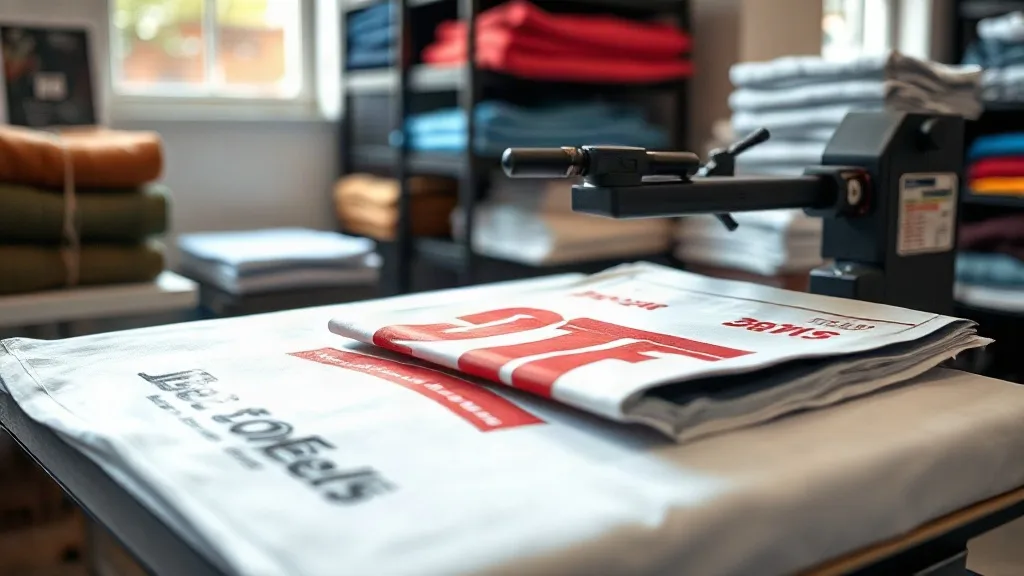
When you're running a print shop, the blank you choose can make or break the final product. DTF printing has exploded in popularity because it works on almost any fabric, but that doesn't mean every blank is ideal. Shaka Wear has become a go-to brand for many shops, thanks to its consistent quality and streetwear appeal. But with so many styles and fabric options, how do you pick the right one for DTF? This guide breaks down the key factors, from fabric weight to blend ratios, so you can make informed decisions and deliver prints that last.
Why Shaka Wear Blanks Are a Favorite for DTF
Shaka Wear has built a reputation for heavyweight, durable blanks that cater to the streetwear and urban fashion scene. Their tees, hoodies, and crewnecks are known for holding their shape and providing a substantial canvas for prints. For DTF, this is crucial because the transfer needs a stable surface to adhere to. Lightweight or loosely woven fabrics can cause the transfer to crack or peel over time. Shaka Wear's tighter weave and higher fabric weight offer a better foundation, resulting in smoother application and longer-lasting prints.
Another reason shops love Shaka Wear is the consistent sizing and color range. When you're fulfilling bulk orders, consistency is key. You don't want to deal with variations in fit or shade that can throw off your production schedule. Shaka Wear delivers reliable blanks that keep your customers happy and your workflow efficient.
Understanding Fabric Blends and DTF Compatibility
DTF transfers work by adhering to the fabric fibers through a heat-activated adhesive. The composition of the fabric plays a huge role in how well the transfer bonds. Shaka Wear offers a range of blends, primarily 100% cotton and cotton/polyester mixes. Each has its own characteristics that affect DTF printing.
100% Cotton: The Classic Choice
Cotton is the most popular fabric for DTF because it's natural, breathable, and takes transfers well. Shaka Wear's 100% cotton tees, like their heavyweight crewnecks, provide a smooth surface that allows the adhesive to penetrate deeply. The result is a soft-hand print that moves with the fabric and resists cracking. However, cotton can shrink, so pre-shrinking or accounting for shrinkage is important, especially for bulk orders. Also, cotton tends to absorb moisture, so proper curing is essential to avoid undercured transfers that wash out prematurely.
Cotton/Poly Blends: The Durable Performer
Blends, such as 50/50 or 60/40 cotton/poly, offer increased durability and reduced shrinkage. The polyester fibers add strength and help the fabric retain its shape. For DTF, blends can be a bit trickier because polyester has a lower melting point and can be sensitive to heat. However, with the right settings, blends can yield excellent results. Shaka Wear's poly-blend hoodies and tees are popular for their softness and resilience. The key is to use a lower pressing temperature (around 280-300°F) and slightly longer dwell time to ensure adhesion without scorching. Always test on a swatch before production runs.
Fabric Weight: Does It Matter for DTF?
Absolutely. Fabric weight affects how the transfer sits on the garment and how it feels to the wearer. Shaka Wear is known for its heavyweight tees (6 oz and up), which provide a premium feel and a substantial backdrop for prints. Heavier fabrics tend to be denser, meaning less adhesive penetration, which can be both good and bad. On one hand, the transfer sits more on the surface, resulting in a brighter, more opaque print. On the other hand, if the fabric is too dense, the adhesive may not anchor as deeply, potentially leading to peeling after repeated washes. To mitigate this, ensure even pressure during pressing and use a quality DTF powder. Lighter weights (under 5 oz) may allow deeper penetration but can also lead to the print feeling stiff or showing through the back. For DTF, a mid-to-heavyweight fabric (5.5 to 6.5 oz) is often the sweet spot.
Color and DTF: How Blank Color Affects Your Print
DTF transfers are printed with a white ink base, which allows them to show up vibrantly on both light and dark fabrics. However, the underlying fabric color can still influence the final appearance. On dark colors, the white base acts as a primer, ensuring colors pop. On light colors, the white base may be less visible but still necessary for opacity. Shaka Wear offers a wide range of colors, from classic black and white to trendy earth tones. When printing on dark garments, use a slightly thicker white layer to prevent the background from showing through. On light garments, you can reduce the white ink to achieve a softer hand. Always consider the fabric color when designing; for example, a white design on a white tee will need a contrasting outline or a different color choice.
Pre-Treatment and Post-Pressing Best Practices
Proper preparation is key to a successful DTF transfer. Before pressing, always pre-press the garment for a few seconds to remove moisture and wrinkles. This step is especially important for cotton, which can retain moisture and cause adhesion issues. For Shaka Wear blanks, a quick pre-press at 320°F for 5-7 seconds works well. After transferring, wait at least 24 hours before washing to allow the adhesive to fully cure. When washing, turn the garment inside out and use cold water to prolong the life of the print.
Common Mistakes to Avoid with Shaka Wear and DTF
- Using too much pressure: Excessive pressure can cause the adhesive to spread too thin, leading to a stiff feel and poor durability. Aim for medium pressure.
- Ignoring fabric composition: Always check the label. A 100% cotton tee may require different settings than a poly blend.
- Skipping the test press: Every new batch of blanks should be tested with a small transfer to dial in settings.
- Not accounting for shrinkage: Cotton blanks can shrink up to 5-7%. Order a size up or pre-shrink if necessary.
Frequently Asked Questions
Can I use DTF on all Shaka Wear fabrics?
Yes, DTF works on virtually all Shaka Wear fabrics, including 100% cotton and cotton/poly blends. However, settings may vary. Always test on a swatch to ensure proper adhesion and durability.
What's the best Shaka Wear blank for DTF printing?
It depends on your needs. For a classic feel, 100% cotton heavyweight tees are excellent. For durability and reduced shrinkage, cotton/poly blends are a great choice. Consider your customer base and the intended use.
How do I prevent cracking on Shaka Wear hoodies?
Cracking often results from insufficient pressure or undercuring. Ensure even pressure and adequate temperature (around 300°F for blends). Also, use a quality DTF powder and cure properly.
Do I need to pre-treat Shaka Wear blanks before DTF?
Pre-pressing is recommended to remove moisture and wrinkles. Some printers use a liquid pre-treatment for cotton to improve adhesion, but it's not always necessary. Test to see what works best for you.
How long do DTF prints last on Shaka Wear garments?
With proper application and care, DTF prints can last 50+ washes. Always follow washing instructions: inside out, cold water, and no harsh detergents.
Final Thoughts
Choosing the right blank is a critical step in delivering quality DTF prints. Shaka Wear offers a range of options that cater to different preferences and use cases. By understanding fabric types, weights, and proper techniques, you can maximize the performance of your DTF transfers and keep customers coming back. Remember to test, adjust, and always use quality supplies. For more tips and high-quality DTF supplies, visit dtfventure.com.