
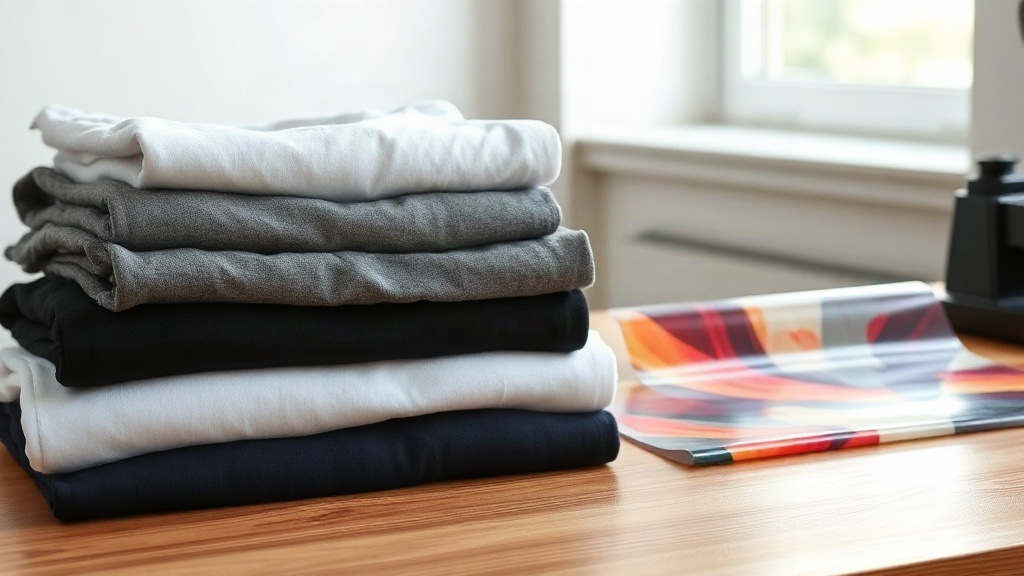
When you're creating custom apparel, the blank you choose is just as important as the design you print on it. Smart blanks are specially engineered garments designed to work flawlessly with modern printing techniques, and they've become a game-changer for anyone using DTF transfers. In this guide, we'll explore what makes these blanks smart, why Shaka Wear stands out, and how to get professional results every time.
What Are Smart Blanks?
The term "smart blanks" refers to apparel that has been optimized for decoration. Unlike standard tees that might have inconsistent fabric blends or rough surfaces, smart blanks offer a consistent, smooth canvas that accepts transfers evenly. They often feature tighter weave, optimized thread count, and sometimes a special finish that enhances adhesion. This means your DTF transfers will look sharper and last longer.
But smart blanks aren't just about the fabric. They also include thoughtful details like tagless labels, reinforced stitching, and pre-shrunk materials. These small touches make a big difference when you're producing items for resale or for a demanding client. If you've ever had a print crack after a few washes, you know how crucial the blank can be.
Why Shaka Wear Is a Top Choice
Shaka Wear has built a reputation for producing heavyweight, durable blanks that cater to the streetwear and custom apparel markets. Their tees are known for their tight knit and substantial feel, which makes them ideal for DTF transfers. The fabric holds the transfer securely, and the colors stay vibrant even after multiple washes.
What sets Shaka Wear apart is their attention to fit and finish. Their garments are cut to modern standards, offering a relaxed but not boxy silhouette. Plus, they come in a wide range of colors, from classic neutrals to bold hues. For printers, this means you can offer your customers more options without sacrificing quality.
Key Features of Shaka Wear Blanks
- Heavyweight cotton: Typically 6.5 oz or more, providing a premium feel.
- Tight knit: Prevents transfer from sinking into the fabric, ensuring crisp details.
- Pre-shrunk: Reduces shrinkage after washing, so the print stays put.
- Tagless or tear-away labels: Ideal for rebranding.
The Role of DTF Transfers
DTF transfers (Direct to Film) have revolutionized custom printing. Unlike screen printing or vinyl, DTF allows you to print full-color, photographic designs without setup costs or color limitations. The process involves printing your design onto a special film, coating it with adhesive powder, and then heat-pressing it onto the garment. The result is a soft, stretchable print that adheres to a variety of fabrics, including cotton, polyester, and blends.
When paired with smart blanks like those from Shaka Wear, DTF transfers produce stunning, long-lasting results. The key is to match the transfer settings to the fabric type. For example, a 100% cotton Shaka Wear tee might require slightly different temperature and pressure than a poly-blend. Always test before production.
Step-by-Step: Applying DTF Transfers to Smart Blanks
- Preheat the garment: This removes moisture and wrinkles, ensuring a smooth surface.
- Position the transfer: Place it where you want it, adhesive side down.
- Heat press: Use medium pressure at around 325°F for 15-20 seconds. Check your transfer supplier's recommendations.
- Peel: Wait for it to cool (cold peel) or peel while hot (hot peel) depending on the film type.
- Post-press: For added durability, press again for 5-10 seconds with a protective sheet.
Choosing the Right Smart Blank for Your Project
Not all smart blanks are created equal. The best choice depends on your design, the intended use, and your customer's preferences. Here are some factors to consider:
- Fabric content: 100% cotton is great for a soft, natural feel, while blends offer more durability and wrinkle resistance.
- Weight: Heavier fabrics like those from Shaka Wear tend to hold up better over time and provide a premium hand feel.
- Color: Light colors require a white underbase for vibrant prints, while dark colors might need a white layer first if your DTF transfer doesn't include one.
- Fit: Consider the style (e.g., crew neck, v-neck, tank) and the cut (e.g., slim, regular, oversized) to match the target audience.
Popular Shaka Wear Styles for DTF
Shaka Wear offers several styles that are particularly popular for DTF printing. Their heavyweight crew neck tees are a staple, providing a sturdy base that won't distort under the heat press. The classic hoodies and long sleeves also work well, though you may need to adjust pressing times for thicker materials. Always check the fabric composition; some hoodies have polyester blends that can affect adhesion.
Maximizing Durability and Washability
One of the biggest concerns with any printed apparel is how it holds up after washing. With smart blanks and quality DTF transfers, you can achieve excellent washability. Here are some tips to ensure longevity:
- Wash inside out in cold water.
- Avoid fabric softeners and bleach.
- Tumble dry low or hang dry.
- Do not iron directly on the print.
Following these guidelines will keep the print looking fresh for years. The combination of a tight-knit Shaka Wear blank and a properly applied DTF transfer creates a bond that resists cracking and fading.
Common Mistakes to Avoid
Even with the best materials, errors can happen. Here are pitfalls to watch out for:
- Insufficient pressure: Leads to poor adhesion and early peeling.
- Wrong temperature: Too hot can scorch the fabric or melt the transfer; too cool means the adhesive won't activate.
- Not pre-pressing: Moisture trapped in the fabric can cause bubbles or weak bonding.
- Using the wrong film: Some DTF films are designed for specific fabric types; always match them.
By avoiding these mistakes, you'll achieve professional results consistently.
Frequently Asked Questions
What makes a blank "smart" for DTF printing?
A smart blank is designed with decoration in mind. It typically has a tight weave, consistent fabric blend, and a smooth surface that allows DTF transfers to adhere evenly. Features like pre-shrinking and tagless labels also contribute to a better end product.
Can I use Shaka Wear blanks with any DTF transfer?
Yes, Shaka Wear blanks are compatible with most DTF transfers. However, always follow the transfer manufacturer's instructions for temperature, pressure, and peel type. Testing on a sample is recommended to ensure optimal results.
How do I prevent DTF prints from cracking on smart blanks?
Prevent cracking by ensuring proper application: pre-press the garment, use adequate pressure, and post-press after peeling. Also, advise customers to wash inside out in cold water and avoid high heat when drying.
Are smart blanks more expensive than regular blanks?
Smart blanks may cost slightly more due to their enhanced features, but the improved print quality and durability often justify the investment. They reduce waste from failed prints and increase customer satisfaction.
What's the best way to store DTF transfers before use?
Store DTF transfers in a cool, dry place away from direct sunlight. Keep them flat to avoid creasing. Proper storage maintains the integrity of the adhesive and the print quality.