
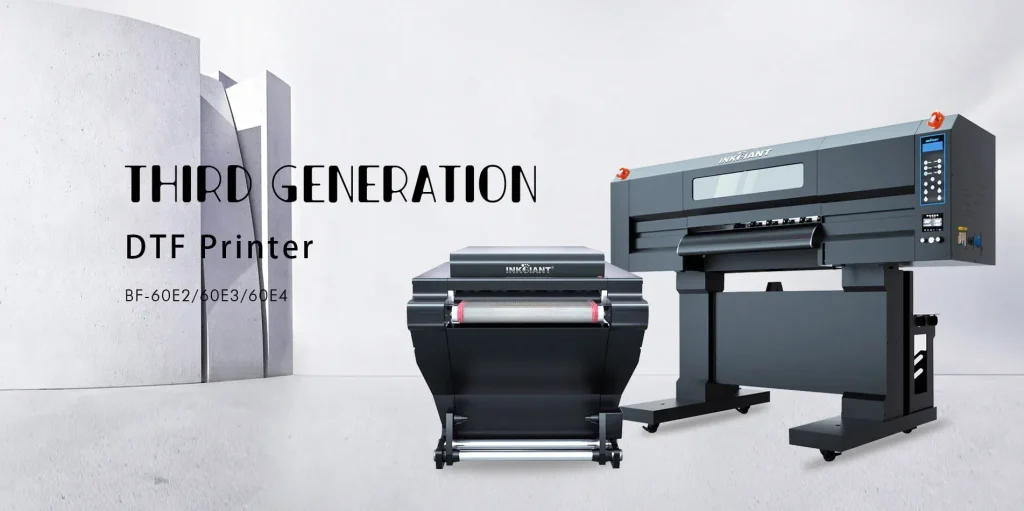
In recent years, DTF technology, or Direct-to-Film technology, has revolutionized the textile printing industry by providing solutions that significantly enhance print quality and durability. This cutting-edge method allows for the application of vibrant colors and intricate designs on various fabrics, making it a favorite among businesses looking to stand out in a competitive market. With its unique printing process that transfers ink onto a special film before applying it to garments, DTF technology ensures that the results are not only visually striking but also resilient to wear and washing. As the demand for high-quality prints continues to rise, the benefits of DTF printing become increasingly apparent, particularly in its ability to produce long-lasting designs that maintain their aesthetics over time. This article explores how DTF technology is setting a new standard for print quality and durability in the textile industry.
Direct-to-Film printing is rapidly gaining traction in the world of textile printing, representing a significant leap forward from traditional methods. Often lauded for its superior print quality and lasting durability, this innovative technique bridges the gap between the creative visions of designers and the practical needs of consumers. Utilizing a specialized film, this method allows for a range of designs to be printed efficiently, showcasing the versatility that modern businesses require. Whether it’s a bold graphic tee or intricate custom merchandise, this approach provides unparalleled color vibrancy and outstanding longevity. As a result, the adoption of Direct-to-Film solutions is poised to reshape how custom apparel is produced and marketed.
The Advantages of DTF Technology in Textile Printing
DTF technology has revolutionized the textile printing landscape by offering several key advantages over traditional methods. First and foremost, it enhances print quality through its innovative use of ink formulations, which often include a combination of CMYK and white ink. This creates vibrant, eye-catching designs that are visually appealing to consumers. Businesses in the fashion industry particularly benefit from this aspect, where color saturation and visual impact can significantly boost product appeal.
Moreover, the efficiency of DTF printing allows for quick turnaround times, catering to businesses that require rapid production while maintaining high-quality outcomes. The ability to print intricate designs on various fabrics without the need for extensive changes in setup translates to lower operational costs and faster service delivery. Consequently, this flexibility makes DTF an attractive option for companies hoping to meet the dynamic demands of the textile market.
How DTF Printing Enhances Color Vibrancy
One of the standout features of DTF technology is its ability to achieve unmatched color vibrancy. Unlike traditional printing methods, which often struggle with achieving deep, saturated colors, DTF printing leverages advanced ink formulations and printing techniques to create vivid designs. The use of high-quality inks allows for precise color matching and blending, ensuring that every print meets the high expectations of discerning customers.
This capability not only boosts visual aesthetics but also plays a crucial role in customer satisfaction. For fashion brands that rely heavily on visual appeal, the enhanced color vibrancy provided by DTF technology helps them stand out in a crowded marketplace. As a result, businesses can attract a broader audience and generate higher sales, particularly in industries where bold color choices are quintessential.
The Role of Adhesion in DTF Durability
Durability is of utmost importance in textile printing, and DTF technology excels in this regard primarily due to its improved adhesion properties. By using specialized adhesive powders that bond ink to fabric during the heat transfer process, DTF prints achieve exceptional durability. This mechanism significantly reduces the risk of fading or peeling, which are common complaints associated with other printing methods.
Customers looking for long-lasting printed apparel can trust that DTF technology delivers on this promise. The enhanced adhesion not only ensures that designs withstand wear and tear over time, but it also means less frequent replacements for businesses, leading to increased customer loyalty and repeat purchases. For businesses focused on profit and customer retention, this durability aspect is essential.
Analyzing Cost-Effectiveness of DTF Technology
DTF technology offers a highly cost-effective solution for textile printing that aligns well with the operational needs of many businesses. The streamlined production process allows for lower setup costs when compared to traditional screen printing or even Direct-to-Garment (DTG) methods. Small companies and startups, in particular, can leverage DTF printing to diversify their product offerings without incurring prohibitive costs.
Furthermore, the faster printing speed associated with DTF technology also leads to cost savings over time. Businesses can fulfill larger orders more efficiently, reducing labor costs and increasing output. This is a critical advantage for companies looking to scale their operations without sacrificing quality. Thus, DTF printing stands out as an economically viable option for current textile manufacturing needs.
Innovations Fueling DTF Technology Advancements
The ongoing innovations in DTF technology are transforming how fabrics are printed, with technological advancements continually setting new standards. Modern DTF printers come equipped with features that enhance precision and efficiency, such as automatic film feeding and state-of-the-art color management systems. These developments are crucial for businesses that prioritize production consistency and quality.
In addition to hardware improvements, software advancements play a pivotal role in DTF technology’s evolution. Enhanced software allows printers to maintain color fidelity across different batches, ensuring that every product meets customer standards. As businesses adopt these innovative tools, they can expect to see improved efficiency and reduced waste, solidifying DTF printing’s position in a competitive market.
Ensuring High-Quality Outputs with DTF Technology
To fully leverage the potential of DTF technology, businesses must focus on achieving high-quality outputs. Quality control processes should be established to monitor how well colors adhere and perform post-printing. Regular assessments of print durability and adherence help in identifying any necessary adjustments in technique or materials, ensuring that every printed item meets a consistent quality standard.
Investing in high-quality inks and materials specific to DTF printing is also vital for achieving superior results. By selecting industry-leading inks that enhance color vibrancy and durability, brands can better cater to consumer demands and expectations. This commitment to quality not only positions businesses favorably in the market but also reinforces their brand reputation among customers seeking top-notch textile products.
Frequently Asked Questions
What is DTF technology and how does it work in textile printing?
Direct-to-Film (DTF) technology is a modern printing method that involves printing designs onto a special film using specific inks. After printing, the design is transferred onto fabric using heat and pressure. This allows for vibrant colors and high detail on various textiles, including cotton and polyester, making DTF technology a preferred choice in textile printing.
How does DTF printing enhance print quality compared to traditional methods?
DTF printing significantly enhances print quality through advanced ink formulations, producing exceptionally vivid and saturated colors. The combination of CMYK and white inks enables DTF to outperform traditional printing methods, making it ideal for the fashion industry where visual appeal is crucial.
What benefits does DTF technology offer in terms of durability of prints?
DTF technology enhances the durability of prints by employing a specialized adhesive powder that improves ink adhesion to fabric. This results in prints that resist fading, cracking, and peeling, ensuring that designs remain intact even after multiple washes, which is essential for long-lasting consumer satisfaction.
Why is cost-efficiency important in DTF printing for small businesses?
Cost-efficiency in DTF printing is vital for small businesses since it minimizes the setup costs and allows for diverse designs to be printed quickly and affordably. This versatility enables startups to cater to various market demands without incurring significant financial burdens, making it a practical choice in textile printing.
What technological advancements are driving the growth of DTF printing?
Recent technological advancements in DTF printing, such as precision engineering and automated film feeding, have improved efficiency and consistency. Enhanced color management software ensures that prints maintain quality across different runs, positioning DTF technology as a leading choice in the competitive printing landscape.
How does DTF technology cater to the demands of modern consumers?
DTF technology meets modern consumer demands by delivering high-quality, durable, and vibrant prints at a cost-effective rate. As consumer preferences shift towards custom apparel with long-lasting designs, DTF stands out for its capabilities, ensuring that businesses can provide products that attract and retain customers.
| Key Points | Details |
|---|---|
| Enhanced Color Vibrancy | DTF technology produces exceptionally vivid prints with improved saturation and detail through CMYK and white ink formulations. |
| Improved Adhesion | Using a specialized adhesive powder, DTF prints adhere well to fabric, increasing durability and resistance to wear. |
| Durability Against Environmental Factors | DTF prints resist fading, cracking, and peeling, maintaining quality even after multiple washes. |
| Versatility and Cost-Effectiveness | DTF technology accommodates a wide range of textiles with lower setup costs, making it ideal for startups. |
| Technological Advancements | Innovations in DTF printers and software enhance efficiency, precision, and color management, ensuring consistent quality. |
Summary
DTF Technology has revolutionized the printing landscape, remarkably improving the quality and durability of prints. This innovative approach significantly boosts color vibrancy and enhances adhesion, ensuring that designs withstand the test of time and environmental factors. Furthermore, DTF Technology’s cost-efficiency and versatility present a compelling option for businesses looking to expand their offerings without strain on resources. As this technology continues to make waves in the industry, it is poised to reshape consumer expectations for high-quality, long-lasting prints in textiles.