
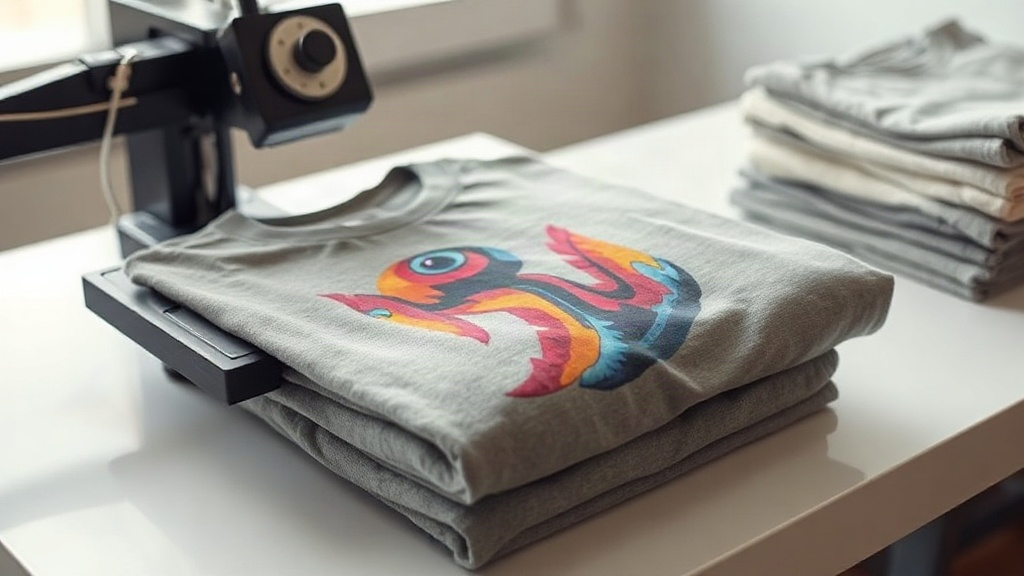
When you're creating custom apparel, the quality of your finished product depends on two things: the transfer you use and the blank you press it onto. DTF transfers have become a go-to method for vibrant, durable designs, but not all blanks are created equal. In this guide, we'll explore how to pair DTF transfers with two popular blank brands, Shaka Wear and Smart Blanks, so you can achieve professional results every time.
Why DTF Transfers Are a Game-Changer
DTF transfers (direct-to-film) allow you to print intricate designs onto a special film, then heat press them onto garments. Unlike vinyl or screen printing, DTF works on a wide range of fabrics, including cotton, polyester, and blends. The process is straightforward: print, powder, cure, and press. The result is a soft, stretchable print that holds up wash after wash. For small businesses and hobbyists alike, DTF transfers offer a low-cost entry into custom apparel without sacrificing quality.
Choosing the Right Blank: Shaka Wear vs. Smart Blanks
The blank you choose affects how the transfer adheres, how it feels, and how long it lasts. Shaka Wear and Smart Blanks are two brands that cater to different needs. Let's break down their key features.
Shaka Wear: Heavyweight and Streetwear-Ready
Shaka Wear is known for its heavyweight cotton tees, often 6.0 oz or more. These shirts have a boxy, oversized fit that's popular in streetwear. The fabric is dense, which means it can handle larger, bolder designs without sagging. When you press DTF transfers onto Shaka Wear, the thick cotton provides a smooth canvas. However, the heavy weave may require slightly higher pressure and longer press time to ensure the adhesive penetrates fully. The upside? The resulting print feels integrated and can withstand frequent wear.
Smart Blanks: Affordable and Versatile
Smart Blanks offers a more budget-friendly option with a focus on softness and variety. Their tees often come in lighter weights (around 4.5 oz) and are available in a wide range of colors. The fabric is typically combed ringspun cotton, which is softer but may require gentler handling. DTF transfers adhere well to Smart Blanks, especially if you pre-press to remove moisture. Because the fabric is lighter, you can achieve a very soft hand feel with DTF, making it ideal for retail-quality apparel. Just be mindful of press settings to avoid scorching.
How to Apply DTF Transfers to Shaka Wear and Smart Blanks
Application is where the magic happens. Follow these steps for optimal results on both blank types.
- Preheat the garment: Press for 5-10 seconds to remove wrinkles and moisture. This step is crucial for Smart Blanks because their softer fabric may retain more moisture.
- Position the transfer: Place the DTF transfer with the printed side down. Use heat tape if needed to secure it.
- Press: Set your heat press to 325°F (160°C) with medium-heavy pressure. For Shaka Wear, press for 15-20 seconds; for Smart Blanks, 12-15 seconds may suffice. Always test with a scrap piece first.
- Peel: Wait for the transfer to cool completely (cold peel) for a matte finish, or peel while warm (hot peel) for a glossy look. Most DTF films are cold peel.
- Post-press: Cover with parchment paper and press again for 5-10 seconds to enhance durability.
Durability: What to Expect
Both Shaka Wear and Smart Blanks can produce long-lasting prints when paired with quality DTF transfers. The key is proper curing and pressing. On Shaka Wear, the heavy cotton may cause slight fading over time if the transfer isn't fully cured. On Smart Blanks, the softer fabric may lead to more stretch, so ensure the transfer is flexible. Always wash garments inside out in cold water and avoid bleach to maximize lifespan.
Common Pitfalls and How to Avoid Them
Even experienced crafters run into issues. Here are some common problems and solutions:
- Transfer peeling: Usually due to insufficient pressure or time. Increase both and ensure the adhesive is fully activated.
- Cracking: Happens when the transfer is stretched too much. Choose a DTF film designed for stretch fabrics if using Smart Blanks.
- Color bleeding: More common on dark Shaka Wear tees if the transfer is too thin. Use a double-layer transfer or a white underbase.
Which Blank Should You Choose?
It depends on your target market. If you're creating streetwear or need a durable shirt for workwear, Shaka Wear is a solid choice. Its heavyweight fabric gives a premium feel that customers associate with quality. If you're aiming for soft, fashion-forward tees at a lower price point, Smart Blanks is ideal. Both work beautifully with DTF transfers, so consider ordering samples to see which fits your brand best.
Frequently Asked Questions
Can I use DTF transfers on Shaka Wear's 100% cotton shirts?
Absolutely. Shaka Wear cotton shirts are excellent for DTF. The tight weave allows the adhesive to bond well. Just ensure you pre-press to remove moisture and use consistent pressure.
Are Smart Blanks suitable for DTF transfers if they contain polyester?
Yes, Smart Blanks offers poly-cotton blends that work with DTF. However, polyester requires lower temperature (around 300°F) to avoid dye migration. Always test first.
How do I prevent the DTF transfer from feeling stiff on lightweight blanks?
On lighter fabrics like Smart Blanks, use a thinner DTF film and minimize the amount of adhesive powder. Also, avoid over-pressing, which can make the print stiff.
What's the best way to wash garments with DTF transfers?
Turn the garment inside out, wash in cold water with mild detergent, and tumble dry on low. Avoid ironing directly on the print. This applies to both Shaka Wear and Smart Blanks.
Do I need a commercial heat press for DTF transfers?
While a commercial press gives the most consistent results, a quality home press can work for small batches. Just ensure it maintains even temperature and pressure.
With the right combination of DTF transfers, Shaka Wear, and Smart Blanks, you can produce custom apparel that looks professional and lasts. Experiment with settings, and don't be afraid to mix and match to find your perfect formula.