
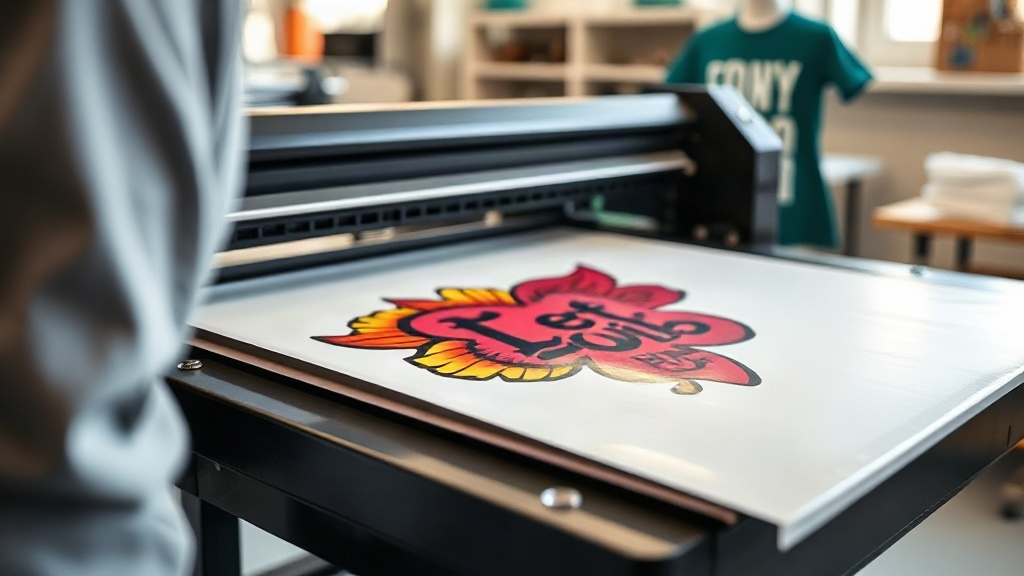
If you've been exploring custom apparel printing, you've likely encountered the term DTF. Direct-to-film printing has rapidly gained popularity among crafters, small business owners, and hobbyists for its versatility and vibrant results. Unlike traditional methods, DTF opens up a world of possibilities for printing on various fabrics and colors. In this guide, we'll walk you through the essentials of DTF printing, from the basic process to practical tips for getting started.
What Exactly Is DTF Printing?
DTF stands for Direct-to-Film. It's a printing technique where your design is printed onto a special film, coated with a adhesive powder, and then heat-pressed onto the fabric. This method allows you to transfer detailed, multi-color designs onto a wide range of materials, including cotton, polyester, blends, and even some treated nylons. The key advantage is that you don't need to pre-treat the fabric or use specialized equipment beyond a printer, powder, and heat press.
The DTF Process Step by Step
- Design Preparation: Create your artwork using graphic software. Remember to mirror the image if your printer requires it (most DTF printers print in reverse).
- Printing: Load the DTF film into your printer. The printer lays down a layer of white ink (for opacity) followed by the colored inks. Some printers combine these in one pass.
- Powder Application: While the ink is still wet, sprinkle the hot-melt adhesive powder over the printed design. Shake off the excess.
- Curing: Place the film in a curing oven or under a heat source to melt the powder. This creates a dry, tacky surface.
- Heat Pressing: Position the film onto your garment and apply heat and pressure with a heat press. The adhesive bonds the design to the fabric.
- Peeling: Once cooled, peel away the film. Your design is now permanently transferred.
Why Choose DTF Over Other Printing Methods?
DTF printing offers several distinct advantages that make it a go-to for many projects. Here's why it stands out:
- No Weeding Required: Unlike vinyl cutting, there's no tedious weeding of tiny details. This saves time and reduces waste.
- Works on Multiple Fabrics: You can print on cotton, polyester, blends, and more without changing your process.
- Vibrant Colors: DTF produces bright, opaque colors even on dark garments, thanks to the white ink base.
- Durability: When applied correctly, DTF transfers are stretchable and wash-resistant, lasting through many cycles.
- Cost-Effective for Small Runs: It's ideal for one-off items or small batches, as there's no minimum order quantity.
DTF vs. DTG and Screen Printing
Direct-to-garment (DTG) printing is another popular method, but it requires pre-treatment and works best on 100% cotton. DTF doesn't need pre-treatment and adheres to more fabrics. Screen printing is great for large orders but involves setup costs and is less practical for detailed, multi-color designs. DTF hits a sweet spot for versatility and detail.
Getting Started with DTF Printing
If you're ready to dive into DTF printing, here's what you'll need:
- DTF Printer: A dedicated DTF printer or a converted inkjet printer using DTF inks.
- DTF Film: Special PET film designed for DTF printing.
- Adhesive Powder: Hot-melt powder that bonds the ink to the fabric.
- Heat Press: A reliable heat press capable of reaching 325°F (160°C) and applying even pressure.
- Curing Oven or Heat Gun: For melting the powder. A modified toaster oven works for small-scale operations.
- Design Software: Any vector or raster graphics program like Adobe Photoshop or Illustrator.
Tips for Successful DTF Transfers
- Test Your Settings: Every printer and powder behaves differently. Experiment with temperature, pressure, and time to find what works best.
- Use Quality Supplies: Cheap film or powder can lead to poor adhesion or dull colors. Invest in reputable brands.
- Store Film Properly: Keep film away from moisture and direct sunlight to prevent curling or damage.
- Pre-Press Garments: Briefly pressing the garment before transfer removes wrinkles and moisture, improving adhesion.
- Cool Before Peeling: Wait for the transfer to cool completely before peeling the film. Peeling hot can distort the design.
Common Challenges and How to Overcome Them
Even with the best setup, you might encounter issues. Here are some common problems and solutions:
- Faded or Cracked Prints: This often means insufficient pressure or incorrect temperature. Adjust your heat press settings and ensure even pressure.
- Powder Not Sticking: If the powder doesn't adhere to the ink, the ink may be too dry. Work quickly and ensure the printer is laying down enough ink.
- Transfer Peeling Off After Wash: This can happen if the powder wasn't fully cured or if the garment wasn't properly pre-pressed. Re-evaluate your curing and pressing steps.
Frequently Asked Questions About DTF Printing
Can I use DTF on any fabric?
DTF works best on cotton, polyester, and blends. It can also be used on treated nylon and some leathers, but always test on a small area first. Fabrics with heavy coatings or waterproof finishes may not adhere well.
How long does a DTF transfer last?
With proper application and care, a DTF transfer can last as long as the garment itself. Wash inside out in cold water and avoid harsh detergents or bleach to extend its life.
Do I need a special printer for DTF?
You can use a dedicated DTF printer or convert an inkjet printer to use DTF inks. However, dedicated printers are designed for the process and often yield more consistent results.
Is DTF printing cost-effective for small businesses?
Yes, DTF is very cost-effective for small runs and one-off items because there's no minimum order and minimal setup. It allows you to offer custom products without large upfront investments.
What is the difference between DTF and sublimation?
DTF uses a film transfer with adhesive powder, while sublimation uses heat to turn ink into gas that bonds with polyester. Sublimation only works on light-colored polyester, whereas DTF works on many fabrics and colors.
With its flexibility, vibrant output, and ease of use, DTF printing is a fantastic addition to any custom apparel toolkit. Whether you're a hobbyist or a growing business, mastering DTF can open up new creative and commercial opportunities. So gather your supplies, fire up your printer, and start creating stunning custom gear today.