
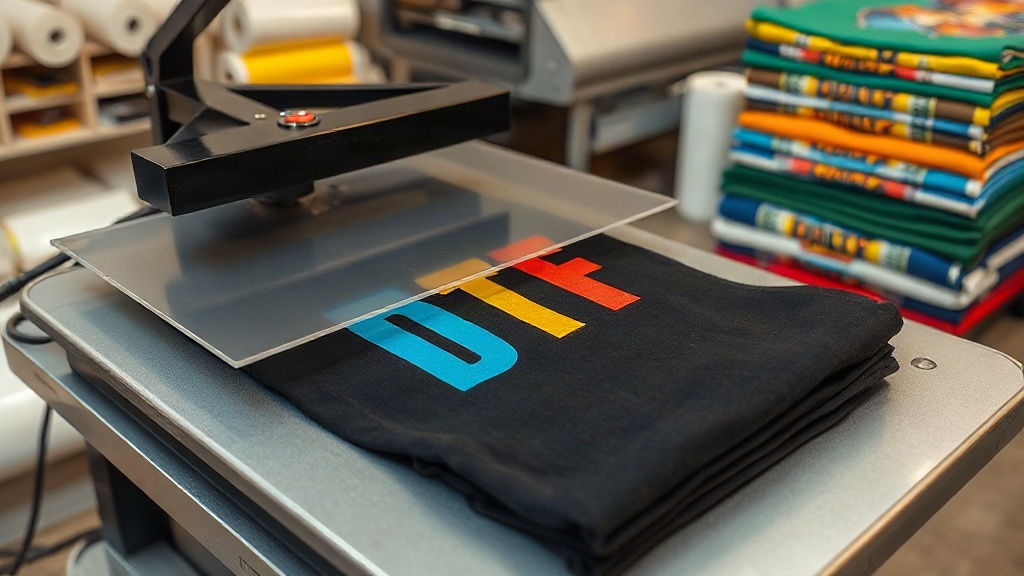
When you first hear about DTF Transfers, you might wonder how they differ from the vinyl or screen-printed shirts you've seen at local craft fairs. The truth is, DTF (Direct to Film) transfers have quietly become a favorite among small business owners, hobbyists, and even large apparel brands. They offer a unique blend of versatility, durability, and color vibrancy that few other decoration methods can match. Whether you're printing a single custom tee for a birthday or gearing up for a 500-piece order, understanding DTF transfers can save you time, money, and a lot of frustration.
In this guide, I'll walk you through everything you need to know about DTF transfers, drawing from my own experience running a small print shop and talking with dozens of other decorators. We'll cover the basics, the fabrics that work best, step-by-step application, common pitfalls, and how to troubleshoot when things go wrong. By the end, you'll have a clear roadmap to producing professional-looking prints that survive the wash and the wear.
What Are DTF Transfers?
DTF transfers are a relatively new player in the garment decoration world, but they've quickly gained traction for good reason. The process starts with a digital printer that lays down a design onto a special film using water-based inks. A powdered hot-melt adhesive is then applied to the wet ink, and the film is cured. The result is a flexible, stretchable transfer that can be heat-pressed onto a wide range of materials.
Unlike screen printing, which requires a separate screen for each color, DTF transfers can reproduce full-color images, gradients, and fine details in a single pass. That makes them ideal for complex artwork, photographs, and small text. And because the adhesive is already on the film, you don't need to worry about applying glue separately.
How DTF Transfers Differ from Other Methods
Compared to heat transfer vinyl (HTV), DTF transfers don't require weeding. If you've ever spent hours picking tiny bits of vinyl out of a intricate design, you know how much of a game-changer that is. HTV also struggles with multi-color designs unless you layer multiple sheets, which can make the print thick and stiff. DTF transfers, on the other hand, are printed as a single sheet, so the final result is thinner and softer.
Screen printing still wins for very large orders (think thousands of pieces) because the cost per print drops significantly at high volumes. But for small to medium runs, DTF transfers are often more economical, especially when you factor in setup time and the ability to print on demand.
The Science Behind the Adhesive
The magic of DTF transfers lies in the adhesive powder. It's typically a polyurethane-based hot melt that melts at a specific temperature and bonds with the fabric fibers. When you press the transfer, the adhesive liquefies and penetrates the fabric, creating a mechanical bond that's both flexible and durable. This is why DTF prints can stretch with the fabric without cracking, unlike some other transfer methods.
Different powders have different melt points and viscosities. Some are designed for cotton, others for synthetics. Using the wrong powder can lead to poor adhesion or a stiff feel. Fortunately, most reputable DTF transfer suppliers pre-apply the correct powder for you, so you don't have to guess.
Fabric Compatibility: What Works and What Doesn't
One of the biggest advantages of DTF transfers is their ability to adhere to a wide range of fabrics. Cotton, polyester, blends, canvas, denim, and even leather can all be decorated with DTF. That said, not all fabrics behave the same way, and understanding the nuances will help you avoid disappointment.
Cotton and Cotton Blends
Cotton is the most forgiving fabric for DTF transfers. The adhesive bonds well with natural fibers, and the print feels soft and flexible. However, cotton tends to absorb moisture, so pre-pressing the garment to remove wrinkles and moisture is crucial. If the fabric is damp, the adhesive may not cure properly, leading to premature peeling.
For cotton blends (like 50/50 cotton-poly), you'll still get good results, but the print may feel slightly stiffer because the polyester content doesn't absorb the adhesive as readily. A lower press temperature and slightly longer dwell time can help.
Polyester and Synthetics
Polyester and other synthetics can be tricky because they are heat-sensitive. If you press too hot, the fabric can scorch or melt. DTF transfers actually work well on polyester, but you need to dial in the temperature. Many decorators use a lower temperature (around 280°F to 300°F) and a shorter press time to avoid damaging the fabric. Also, some polyester fabrics have a dye that can migrate into the print when heated, causing discoloration. Using a low-bleed DTF film or a dye-blocking underlay can mitigate this.
Nylon and spandex are also possible, but they require careful testing. Spandex, in particular, stretches a lot, so you need a transfer that can stretch with it without cracking. DTF transfers are generally stretchy, but the adhesive bond must be strong enough to hold up to repeated stretching.
Specialty Fabrics: Canvas, Denim, and Leather
Canvas and denim are thick and textured, which can make adhesion challenging. The key is to apply higher pressure so the adhesive can penetrate the weave. Pre-pressing is essential to flatten the surface. For leather, you'll want to use a lower temperature and a quick press to avoid damaging the material. Always test on a scrap piece first.
Step-by-Step Application of DTF Transfers
Getting a perfect DTF transfer requires more than just a heat press and a prayer. Follow these steps to ensure consistent results.
1. Prepare Your Workspace and Materials
You'll need a heat press (or a home iron, though results vary), a DTF transfer, the garment, and a protective sheet (like parchment paper or a Teflon sheet). Make sure your heat press is calibrated; an inaccurate temperature can ruin the transfer. A infrared thermometer can help you verify the platen temperature.
Pre-press the garment for 5-10 seconds to remove wrinkles and moisture. This step is often overlooked, but it's critical for proper adhesion.
2. Position the Transfer
Place the DTF transfer on the garment with the printed side facing up. The adhesive side should be against the fabric. If your transfer has a clear carrier film, you'll be able to see the design through it. Use heat-resistant tape to hold it in place if needed.
3. Press with the Right Settings
Set your heat press to the temperature recommended by your transfer supplier. Typically, it's between 300°F and 325°F for cotton, and lower for polyester. Pressure should be medium to high (around 40-60 psi). Press for 10-15 seconds. Don't be tempted to increase time or temperature; more is not better and can cause scorching or adhesive oozing.
4. Peel the Carrier Film
DTF transfers can be peeled either hot or cold, depending on the film type. Most modern films are cold peel, meaning you wait for the transfer to cool completely before peeling. This allows the adhesive to set and prevents the design from stretching or tearing. Gently peel the film from one corner. If the design lifts with the film, it means the adhesive didn't bond properly; press again for a few seconds.
5. Post-Press for Durability
For added durability, especially on stretchy fabrics, cover the design with a protective sheet and press again for 5-10 seconds. This helps the adhesive fully cure and embeds the print into the fabric. Some decorators also use a second press with a cool-down period.
Common Problems and How to Fix Them
Even with the best intentions, things can go wrong. Here are some common issues and their solutions.
Transfer Peels Off After Washing
This is usually due to insufficient pressure, incorrect temperature, or moisture in the fabric. Make sure you pre-press the garment, use the correct settings, and apply even pressure. If the problem persists, try a different adhesive powder or increase the press time slightly.
Design Cracks or Fades
Cracking often happens when the transfer is stretched during peeling or when the garment is stretched beyond the print's elasticity. Ensure you allow the transfer to cool completely before peeling, and avoid over-stretching the fabric during application. Fading can occur if the print is washed in hot water or dried on high heat. Always wash inside out in cold water and tumble dry low.
Adhesive Residue on the Carrier Film
If you see a lot of adhesive left on the film after peeling, it means the adhesive didn't transfer to the fabric. This can happen if the pressure is too low or the temperature is too high (causing the adhesive to stick to the film instead of the fabric). Adjust your settings and try again.
Frequently Asked Questions About DTF Transfers
Can I use DTF transfers on dark and light fabrics?
Yes, DTF transfers work on both dark and light fabrics. The printing process includes a white ink layer that acts as a base, so colors remain vibrant on dark garments. Just ensure your design has a white underbase if you're printing on dark colors, but most DTF transfers already include this.
How long do DTF transfers last?
With proper application and care, DTF transfers can last as long as the garment itself. They are resistant to cracking, peeling, and fading. Following the washing instructions (cold water, inside out, low heat) will maximize their lifespan.
Do I need a special printer to make DTF transfers?
Yes, DTF transfers require a specialized printer that uses DTF inks and a film feeding system. You can't make them with a standard inkjet or laser printer. However, you can buy pre-printed DTF transfers from suppliers and apply them with a heat press.
What's the difference between DTF and DTG?
DTG (Direct to Garment) printing involves printing directly onto the fabric, while DTF involves printing onto a film and then transferring it. DTF is more versatile because it works on many fabrics, whereas DTG is primarily for cotton. DTF also tends to have a softer feel and better durability on synthetic fabrics.
Can I stretch DTF prints?
DTF prints have some stretchability, but they are not infinitely stretchy. If you're printing on highly elastic fabrics like spandex, choose a transfer with a high stretch formula and apply it with a post-press to enhance flexibility. Avoid over-stretching the garment during wear.