
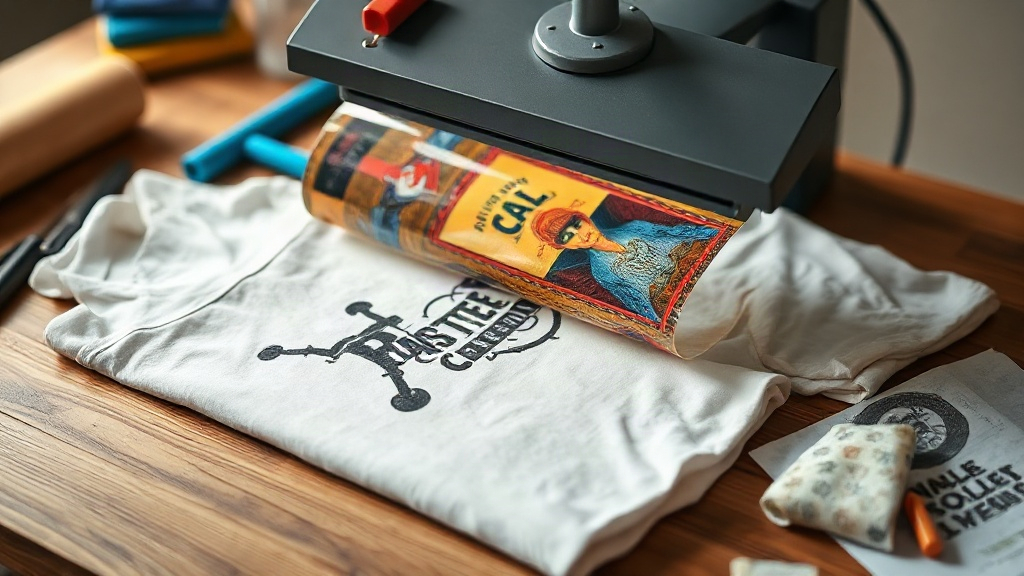
If you've been exploring custom apparel, you've likely encountered DTF Transfers. They've become a go-to method for printing detailed, colorful designs on a wide range of fabrics. Unlike traditional screen printing or vinyl, DTF (Direct to Film) transfers offer flexibility and durability that appeal to both hobbyists and professional decorators. In this guide, I'll walk you through the entire process, share insights I've gained from countless hours at the press, and help you avoid common pitfalls. By the end, you'll understand why DTF Transfers might be the perfect solution for your next project.
What Are DTF Transfers?
At their core, DTF Transfers are printed designs on a special film that can be heat-pressed onto fabric. The process involves printing your artwork onto a PET film using a DTF printer, which lays down a layer of white ink (for opacity) and then CMYK colors. A powdered hot-melt adhesive is applied to the wet ink, and after curing, the transfer is ready to be pressed onto a garment. The result is a soft, stretchable print that bonds permanently to the fabric.
What sets DTF Transfers apart is their versatility. They adhere to cotton, polyester, blends, and even some nylons, which makes them a favorite for team uniforms, personalized gifts, and small-batch production. Plus, the color vibrancy is impressive; you can achieve photographic detail without the constraints of layered vinyl.
Why Choose DTF Transfers Over Other Methods?
You might wonder how DTF Transfers stack up against screen printing or DTG (Direct to Garment). Here's a quick comparison:
- Screen printing: Cost-effective for large runs, but setup costs are high and color complexity is limited.
- DTG: Great for 100% cotton, but often struggles with polyester and requires pre-treatment.
- Vinyl: Ideal for simple shapes, but layering multiple colors is time-consuming and can feel heavy.
DTF Transfers shine because they eliminate many of these limitations. There's no minimum order, no pre-treatment, and you can print full-color designs with fine details. The prints are also highly durable, withstanding dozens of washes when applied correctly. For a deeper dive into the technical aspects, check out DTF Venture.
Step-by-Step: How to Apply DTF Transfers
Applying DTF Transfers is straightforward, but attention to detail makes all the difference. Follow these steps for professional results.
1. Prepare Your Workspace and Materials
You'll need a heat press, the DTF transfer itself, and your garment. Ensure the garment is clean, dry, and free of wrinkles. Preheat the press to the recommended temperature (usually 325°F to 350°F).
2. Position the Transfer
Place the transfer face-up on the garment. If you're centering a design, use a ruler or template to get it right. Remember that the transfer will be pressed with the film on top, so the design should be facing you.
3. Press the Transfer
Set your press to medium pressure and press for 10-15 seconds. This initial press adheres the transfer to the fabric. Avoid excessive pressure, which can cause the ink to spread.
4. Peel the Film
After pressing, wait a few seconds for the transfer to cool slightly. Then, peel the film off in a smooth, consistent motion. If the design lifts with the film, it means the transfer wasn't pressed long enough or the pressure was too low. In that case, re-press for a few more seconds.
5. Post-Press for Durability
For maximum washability, cover the design with a Teflon sheet or parchment paper and press again for 5-10 seconds. This final step ensures the adhesive fully cures and the print stays put.
Common Mistakes to Avoid with DTF Transfers
Even seasoned crafters can slip up. Here are pitfalls I've encountered and how to sidestep them.
- Insufficient pressure: Leads to poor adhesion and peeling. Use consistent, firm pressure.
- Wrong temperature: Too hot and the film may warp; too cool and the adhesive won't activate. Always check your transfer's recommended settings.
- Peeling too soon: Wait a few seconds after pressing; peeling while hot can distort the design.
- Ignoring fabric type: While DTF Transfers work on many fabrics, some stretchy or coated materials require adjusted settings. Test on a scrap first.
Design Tips for Stunning DTF Transfers
Your artwork determines the final look. Keep these pointers in mind:
- Use high-resolution images: 300 DPI is standard for crisp prints.
- Add a white underbase: Most DTF printers do this automatically, but if you're outsourcing, confirm it.
- Consider the fabric color: On dark garments, the white layer ensures colors pop.
- Avoid super-fine lines: Extremely thin details may not hold up as well; slightly thicken them for durability.
Washing and Caring for DTF Prints
To keep your DTF Transfers looking new, follow these care instructions:
- Turn the garment inside out before washing.
- Use cold water and a gentle cycle.
- Avoid bleach and fabric softeners.
- Tumble dry on low or hang to dry.
- If ironing, do not iron directly on the print; use a cloth barrier.
With proper care, your DTF prints can last for years, maintaining their vibrancy and elasticity.
Frequently Asked Questions About DTF Transfers
Can I apply DTF Transfers to any fabric?
DTF Transfers work best on cotton, polyester, and blends. They can also adhere to nylon and some leathers, but always test on a small area first. Fabrics with heavy coatings or waterproof treatments may require special handling.
How long do DTF Transfers last?
With proper application and care, DTF prints can last 50+ washes without significant fading or cracking. The key is using the right temperature, pressure, and post-pressing.
Do I need a special printer for DTF Transfers?
Yes, DTF printing requires a dedicated DTF printer that uses pigment inks and can print white ink. However, you can also buy pre-printed transfers from suppliers if you don't want to invest in equipment.
Can I layer DTF Transfers?
Layering is possible but tricky. It's best to avoid overlapping transfers unless you're experienced. If you must layer, press the first transfer, then apply the second on top with a shorter press time to prevent bleeding.
What's the difference between DTF and DTG?
DTG prints directly onto the garment, while DTF Transfers are printed on film and then applied. DTF works on more fabric types and often produces more vibrant colors on dark garments. DTG is typically limited to cotton.
Mastering DTF Transfers opens up a world of possibilities for custom apparel. Whether you're a small business owner or a DIY enthusiast, the technique offers professional results with a manageable learning curve. For more tips and supplies, visit DTF Venture.