
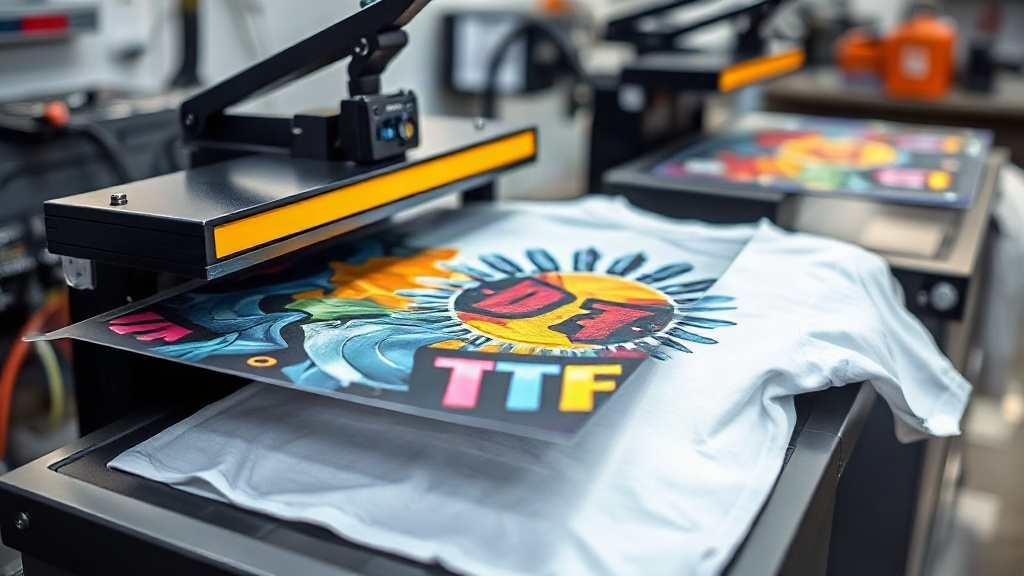
If you've been exploring custom apparel printing, you've likely encountered DTF Transfers. This technology has rapidly gained popularity for its versatility, vibrant colors, and ability to print on a wide range of fabrics. Unlike traditional methods that require specific materials or complex setups, DTF transfers offer a straightforward solution for both small businesses and DIY enthusiasts. In this guide, we'll dive deep into what DTF transfers are, how they work, and how you can use them to create stunning, long-lasting prints.
What Are DTF Transfers?
DTF stands for Direct to Film. It's a printing method where your design is printed onto a special film, coated with a adhesive powder, and then heat-pressed onto the fabric. The process involves a printer that uses special DTF inks (usually pigment-based) to print onto a PET film. After printing, a powder adhesive is applied to the wet ink, and the film is cured. The resulting transfer can be stored and later applied to garments using a heat press.
What sets DTF Transfers apart is their ability to bond with virtually any fabric, including cotton, polyester, blends, and even leather. This flexibility makes them a favorite for printing on t-shirts, hoodies, bags, and more. Plus, the prints are highly durable and can stretch with the fabric without cracking, which is a common issue with other transfer methods.
How DTF Transfers Work: Step by Step
Understanding the DTF process can help you appreciate its benefits and troubleshoot any issues. Here's a breakdown of the key steps:
- Design Preparation: Your artwork is prepared digitally, ensuring it's mirrored if necessary (though many DTF printers handle mirroring automatically).
- Printing: The design is printed onto a special film using DTF inks. White ink is typically used as a base to ensure opacity on dark fabrics.
- Powdering: While the ink is still wet, a thermoplastic powder is applied evenly over the design. Excess powder is shaken off.
- Curing: The film passes through a curing oven or under a heat source to melt the powder, creating a adhesive layer.
- Transfer: The film is placed on the fabric and heat-pressed. The adhesive melts, bonding the ink to the fabric. After cooling, the film is peeled away, leaving the design behind.
Each step requires attention to detail, but once you have the equipment, the process is efficient and scalable.
Why Choose DTF Transfers?
There are several reasons why DTF Transfers have become a go-to for many in the custom apparel industry. Let's explore the main advantages.
Versatility Across Fabrics
One of the biggest advantages is that DTF transfers work on almost any fabric. Whether you're printing on 100% cotton, polyester, or a blend, the results are consistent. This is particularly useful for businesses that offer a variety of garment options. Unlike DTG (Direct to Garment) printing, which often requires pre-treatment and works best on cotton, DTF doesn't discriminate.
Vibrant Colors and Fine Details
DTF transfers can reproduce intricate designs with fine lines, gradients, and photographic details. The colors are vivid and stand out, especially when using white ink as a base. This makes DTF ideal for complex artwork that might be challenging with other methods like vinyl cutting.
Durability and Washability
When applied correctly, DTF transfers are extremely durable. They resist cracking, peeling, and fading even after multiple washes. The prints stretch with the fabric, so they're great for athletic wear or garments that need to move with the body. Proper care (washing inside out, avoiding high heat) can extend the life of the print even further.
Cost-Effective for Small Batches
For small businesses or individuals, DTF transfers offer a cost-effective solution. You can print one-offs or small batches without the setup costs associated with screen printing. The equipment is relatively affordable compared to other digital printing methods, and you can store the transfers for later use.
DTF vs. Other Printing Methods
To truly appreciate DTF, it helps to compare it with other common printing techniques.
DTF vs. DTG
DTG printing directly applies ink to the garment, often requiring pre-treatment. It works best on 100% cotton and can be slower for multiple items. DTF, on the other hand, doesn't require pre-treatment and works on a wider range of fabrics. DTF also tends to have more vibrant colors on dark garments due to the white ink base.
DTF vs. Screen Printing
Screen printing is cost-effective for large orders but has high setup costs and is limited in color complexity. DTF excels in small batches and detailed designs, with no color limitations. However, for very large orders, screen printing may still be more economical.
DTF vs. Vinyl
Heat transfer vinyl (HTV) is great for simple designs but can't handle complex images or gradients. DTF can print full-color, photographic-quality images, making it superior for detailed artwork.
How to Apply DTF Transfers
Applying DTF transfers is straightforward, but following the correct steps ensures a professional finish. Here's a step-by-step guide:
- Preheat the Heat Press: Set your heat press to the recommended temperature (usually around 300-350°F or 150-175°C).
- Pre-Press the Garment: This removes moisture and wrinkles, ensuring a smooth surface.
- Position the Transfer: Place the DTF transfer on the garment with the printed side facing up (the adhesive side down).
- Press: Apply medium to firm pressure for 10-15 seconds. Some transfers require a second press after peeling.
- Peel: Wait for the transfer to cool completely (cold peel) or peel while hot, depending on the film type. Most DTF transfers are cold peel.
- Post-Press (Optional): For added durability, you can press again for a few seconds with a protective sheet.
Always test on a scrap piece of fabric first to dial in your settings.
Common Challenges and Solutions
Even with a straightforward process, you might encounter some issues. Here are a few common problems and how to fix them.
Transfer Not Adhering
If the transfer peels off, it could be due to insufficient pressure, incorrect temperature, or not enough time. Increase pressure and ensure your heat press is calibrated. Also, make sure the garment is pre-pressed to remove moisture.
Color Fading After Wash
To prevent fading, ensure the transfer is properly cured during the printing process. When applying, use the correct temperature and time. Wash the garment inside out in cold water and avoid harsh detergents.
Film Sticking to the Garment
This can happen if you peel too soon or too late. Most DTF transfers are cold peel, so wait until the transfer is completely cool before peeling. If it's still sticking, try pressing again for a few seconds.
Tips for Best Results
- Store transfers in a cool, dry place away from direct sunlight.
- Use a heat press rather than an iron for consistent pressure and temperature.
- For stretchy fabrics, use a stretchable DTF transfer or add a stretch additive to the ink.
- Always follow the manufacturer's instructions for your specific DTF film and powder.
- Conduct wash tests to ensure durability for your customers.
Frequently Asked Questions
What fabrics can I use with DTF transfers?
DTF transfers work on a wide range of fabrics, including cotton, polyester, blends, nylon, and leather. They are particularly effective on fabrics that are difficult to print with other methods.
How long do DTF transfers last?
With proper application and care, DTF transfers can last as long as the garment itself. They are resistant to cracking, peeling, and fading, and can withstand multiple washes.
Do I need a special printer for DTF transfers?
Yes, you need a DTF printer that uses DTF inks and a powder shaker and curing oven. However, you can also purchase pre-made DTF transfers from suppliers if you don't want to invest in the equipment.
Can I apply DTF transfers with a regular iron?
While it's possible, a heat press is highly recommended for consistent pressure and temperature. A regular iron may not provide even heat, leading to poor adhesion and durability.
Are DTF transfers safe for children's clothing?
Yes, DTF transfers are safe for children's clothing as long as they are properly cured and applied. The inks and adhesives used are typically non-toxic, but always check with your supplier for safety certifications.