
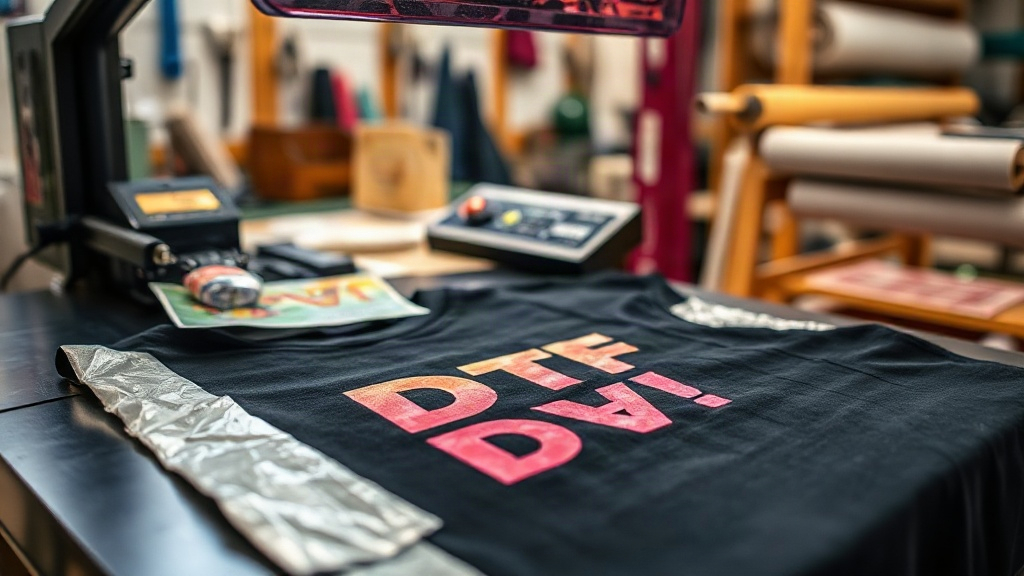
If you've been exploring custom apparel printing, you've likely heard about DTF Transfers. This technology is quickly becoming a favorite among crafters and professionals alike, offering a versatile and cost-effective way to create vibrant, long-lasting designs on a variety of fabrics. Unlike traditional methods that require specific materials, DTF Transfers can adhere to cotton, polyester, blends, and even nylon, opening up a world of possibilities for your creative projects.
What Are DTF Transfers?
DTF stands for Direct-to-Film. It's a printing process where your design is printed onto a special film using water-based inks, then coated with a powder adhesive. When heat-pressed, the ink and adhesive transfer from the film to the fabric, creating a durable and flexible print. This method eliminates the need for pre-treating garments (unlike DTG printing) and works on dark and light colors alike.
How DTF Transfers Differ from Other Printing Methods
Compared to screen printing, DTF is more efficient for small batches and complex designs because it doesn't require separate screens for each color. Unlike vinyl cutting, DTF allows for intricate details and gradients without weeding. And unlike DTG, DTF doesn't require specialized pre-treatment, making it more accessible for home-based businesses.
Why Choose DTF Transfers?
There are several compelling reasons to consider DTF Transfers for your next project:
- Versatility: Works on almost any fabric, including cotton, polyester, blends, and even leather.
- Durability: Prints are stretchable and resistant to cracking, peeling, and fading.
- Vibrancy: Produces bright, opaque colors even on dark garments without a white underbase.
- Cost-effective: Low setup costs and minimal waste, ideal for small businesses and hobbyists.
- Ease of use: With a heat press, application is quick and straightforward.
Step-by-Step Guide to Applying DTF Transfers
Applying DTF Transfers is a straightforward process, but following the correct steps ensures a professional finish. Here's how to do it:
1. Prepare Your Workspace and Materials
Gather your heat press, DTF transfer film, garment, and a protective sheet (like parchment paper or Teflon). Ensure your heat press is preheated to the recommended temperature, typically around 325°F to 375°F (160°C to 190°C).
2. Position the Transfer
Place your garment on the heat press platen. Position the DTF transfer film with the design facing up on the garment. If you're using a transfer with a white layer, ensure it's placed correctly (usually the white side touches the fabric).
3. Press the Transfer
Cover the transfer with a protective sheet. Apply medium to firm pressure for 10-15 seconds. The exact time and temperature may vary depending on your heat press and film manufacturer, so always test first.
4. Peel the Film
After pressing, allow the transfer to cool completely before peeling off the film. This is a "cold peel" process. Peel slowly and evenly to reveal your vibrant design.
5. Post-Press for Durability
For added durability, especially on stretchy fabrics, you can do a second press for 5-10 seconds with a protective sheet. This helps the adhesive fully bond with the fabric.
Common Mistakes to Avoid with DTF Transfers
Even though DTF is forgiving, avoiding these common pitfalls will save you time and materials:
- Incorrect temperature: Too low and the adhesive won't activate; too high and the film may scorch.
- Insufficient pressure: Leads to poor adhesion and premature peeling.
- Peeling too soon: Always wait for the transfer to cool completely before peeling.
- Not testing: Always do a test press on a scrap fabric to dial in your settings.
Design Tips for Stunning DTF Prints
To get the most out of DTF Transfers, keep these design considerations in mind:
- Use high-resolution images: DTF printing captures fine details, so start with a minimum of 300 DPI.
- Add a white underbase: For dark garments, ensure your design includes a white layer behind the colors to make them pop.
- Consider fabric texture: Highly textured fabrics may require a bit more pressure for even adhesion.
- Experiment with gradients and photos: DTF excels at reproducing complex images with smooth transitions.
Frequently Asked Questions About DTF Transfers
Can I use DTF transfers on 100% polyester?
Yes, DTF Transfers work beautifully on polyester. The low-temperature application and flexible adhesive prevent the dye migration issues sometimes seen with other methods.
How long do DTF transfers last?
With proper application and care, DTF prints can last as long as the garment itself. They withstand repeated washing without cracking or fading when washed inside out in cold water and tumble dried low.
Do I need a special printer for DTF?
You can purchase pre-printed DTF transfers from suppliers, or if you want to print your own, you'll need a DTF printer and RIP software. Many small businesses start with pre-printed transfers to test the market.
What fabrics are not suitable for DTF?
While DTF works on most fabrics, it may not adhere well to fabrics with heavy silicone coatings or waterproof treatments. Always test on a small area first.
How do I store unused DTF transfers?
Store them in a cool, dry place away from direct sunlight. Keep them flat to prevent curling. Properly stored, they can last for several months.