
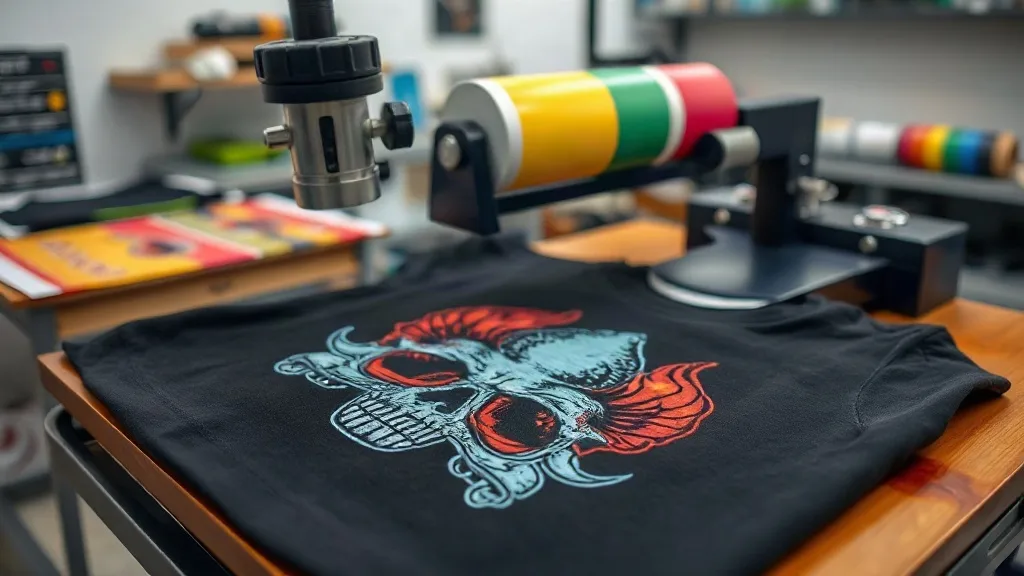
Custom apparel has never been more accessible, thanks to dtf transfers. Whether you're a small business owner looking to add personalized merchandise or a hobbyist wanting to create unique gifts, DTF (Direct to Film) printing offers a versatile and cost-effective solution. In this guide, we'll walk you through everything you need to know about DTF transfers, from the basics of the process to practical tips for getting started.
What Are DTF Transfers?
DTF stands for Direct to Film. It's a printing method where your design is printed onto a special film, then coated with a powder adhesive and cured. The resulting transfer can be applied to a wide range of fabrics using a heat press. Unlike other printing methods, dtf transfers work on both light and dark garments, as well as materials like cotton, polyester, and blends.
The DTF Printing Process Step by Step
Understanding the process helps you appreciate the quality and versatility of DTF transfers. Here's how it works:
- Design Preparation: Your artwork is prepared digitally, ensuring it's high resolution and properly color-separated.
- Printing: The design is printed onto a PET film using specialized DTF inks. A white ink layer is applied as a base to make colors pop on dark fabrics.
- Powder Application: While the ink is still wet, a hot-melt adhesive powder is sprinkled over the film. Excess powder is shaken off.
- Curing: The film is heated to melt the powder, creating a durable, flexible transfer.
- Transfer: The cured film is placed on the fabric and pressed with a heat press to bond the design permanently.
This multi-step process results in a transfer that's soft to the touch, stretchable, and resistant to cracking and fading.
Why Choose DTF Transfers for Your Projects?
DTF transfers have gained massive popularity for several compelling reasons. Let's explore the key benefits that make them a go-to choice for both professionals and DIY enthusiasts.
Unmatched Versatility
One of the biggest advantages of DTF transfers is their ability to adhere to almost any fabric. Whether you're working with cotton, polyester, nylon, or even leather, DTF transfers deliver excellent results. This versatility means you can experiment with different garment types without worrying about compatibility issues.
Vibrant Colors and Fine Details
DTF printing excels at reproducing intricate designs with high color accuracy. The white ink base ensures that colors remain vibrant even on dark backgrounds, and fine lines and small text are rendered with impressive clarity. This makes DTF ideal for detailed logos, photographs, and complex artwork.
Durability and Wash Resistance
When applied correctly, DTF transfers are incredibly durable. They withstand repeated washing without cracking, peeling, or fading. The hot-melt adhesive creates a strong bond with the fabric, ensuring your designs stay put for the long haul.
Cost-Effective for Small Batches
Traditional screen printing requires separate screens for each color, which can be expensive for small runs. DTF transfers eliminate that need, making short runs and one-off designs economically feasible. You can order just a few transfers without breaking the bank.
No Weeding or Masking Required
Unlike vinyl cutting, DTF transfers come pre-printed and ready to press. There's no time-consuming weeding or masking, which speeds up production and reduces waste.
Applications of DTF Transfers
From custom t-shirts to branded workwear, DTF transfers open up a world of possibilities. Here are some popular applications:
- Custom T-shirts and Hoodies: Create personalized apparel for events, teams, or retail.
- Sports Jerseys: Add names and numbers with precision and durability.
- Corporate Uniforms: Brand your team's attire with logos and slogans.
- Promotional Items: Tote bags, caps, and more can be customized with DTF transfers.
- Home Decor: Personalize cushions, aprons, and other fabric items.
The possibilities are limited only by your imagination.
How to Apply DTF Transfers: A Quick Tutorial
Applying DTF transfers is straightforward if you follow the right steps. Here's a quick guide to help you get started:
- Preheat Your Heat Press: Set the temperature to around 300°F (150°C) and preheat for a few seconds.
- Prepress the Garment: This removes moisture and wrinkles for better adhesion.
- Place the Transfer: Position the transfer on the garment with the printed side facing up.
- Press: Apply medium pressure for 10-15 seconds.
- Peel: Wait for the transfer to cool completely (cold peel) before removing the film.
- Post-Press: Cover with parchment paper and press again for 5 seconds to enhance durability.
Always follow the specific instructions provided by your transfer supplier for best results.
Finding Quality DTF Transfers Near You
When sourcing DTF transfers, quality is paramount. Poorly made transfers can result in faded colors, cracking, or poor adhesion. If you're searching for dtf transfers near me, consider these tips to ensure you get the best product:
- Check Reviews and Reputation: Look for suppliers with positive feedback and a track record of satisfied customers.
- Request Samples: Order a sample pack to test the quality before committing to a large order.
- Ask About Ink and Film Quality: High-quality inks and films make a significant difference in the final product.
- Consider Turnaround Time: Choose a supplier that can meet your deadlines, especially for time-sensitive projects.
- Compare Pricing: While price shouldn't be the only factor, it's important to get good value for your money.
Many online suppliers offer fast shipping, so you can find quality DTF transfers regardless of your location. For those in the USA, companies like DTF Venture provide reliable service and top-notch products.
Common Mistakes to Avoid with DTF Transfers
Even with a straightforward process, some pitfalls can affect the outcome. Here are common mistakes and how to avoid them:
- Insufficient Pressure: Too little pressure prevents proper adhesion. Adjust your heat press accordingly.
- Peeling Too Soon: Always allow the transfer to cool completely before peeling. Peeling while hot can distort the design.
- Ignoring Fabric Type: Some fabrics may require adjusted temperature or pressure settings. Always test on a scrap piece first.
- Using the Wrong Powder: Ensure the adhesive powder is compatible with your ink and film.
- Storing Transfers Improperly: Keep unused transfers in a cool, dry place to prevent moisture damage.
By avoiding these mistakes, you'll achieve professional-looking results every time.
DTF vs. Other Printing Methods
How does DTF stack up against other popular printing techniques? Let's compare:
- DTF vs. Screen Printing: Screen printing is cost-effective for large orders but requires setup for each color. DTF is better for small batches and complex designs.
- DTF vs. DTG: Direct-to-garment printing is limited to cotton fabrics and often requires pre-treatment. DTF works on more materials and doesn't need pre-treatment.
- DTF vs. Vinyl: Vinyl is durable but limited in color and detail. DTF offers full-color, intricate designs without weeding.
- DTF vs. Sublimation: Sublimation only works on light-colored polyester. DTF is versatile across fabrics and colors.
Each method has its strengths, but DTF stands out for its versatility and ease of use.
Frequently Asked Questions About DTF Transfers
What fabrics can I use with DTF transfers?
DTF transfers work on a wide range of fabrics, including cotton, polyester, blends, nylon, and even leather. They are suitable for both light and dark materials.
How long do DTF transfers last?
With proper application and care, DTF transfers can last as long as the garment itself. They are resistant to cracking, peeling, and fading, even after multiple washes.
Can I use DTF transfers on items with zippers or buttons?
Yes, but you'll need to use a heat press with a smaller platen or apply pressure around the hardware. Alternatively, use a heat transfer pillow to ensure even pressure.
Do I need a special printer for DTF transfers?
Yes, DTF printing requires a dedicated DTF printer and specialized inks. However, if you're buying pre-printed transfers, you only need a heat press to apply them.
Where can I buy DTF transfers near me?
Many online suppliers offer DTF transfers with fast shipping. Look for reputable companies that provide quality products and good customer service. You can also check local print shops for availability.
Conclusion
DTF transfers have transformed the custom apparel industry, offering unparalleled versatility, vibrant colors, and durability. Whether you're a seasoned professional or just starting out, understanding the ins and outs of DTF printing can help you create stunning, long-lasting garments. With the tips and insights shared here, you're well-equipped to embark on your DTF journey. Remember to source quality transfers and follow best practices for application, and you'll be amazed at the results.